


Listen to the article
Ukrainian reaction to the Trump administration’s proposed 28-point peace plan for ending the war with Russia has been largely skeptical, with many observers in Kyiv viewing the document as heavily favoring Moscow’s interests.
“It’s not worth the paper it’s written on,” remarked one Ukrainian observer, reflecting a common sentiment among analysts who believe the proposal makes significant concessions to Russia. Another source emphasized that “any deal would have to include Ukraine… and Europe,” suggesting the current plan lacks proper multilateral consultation.
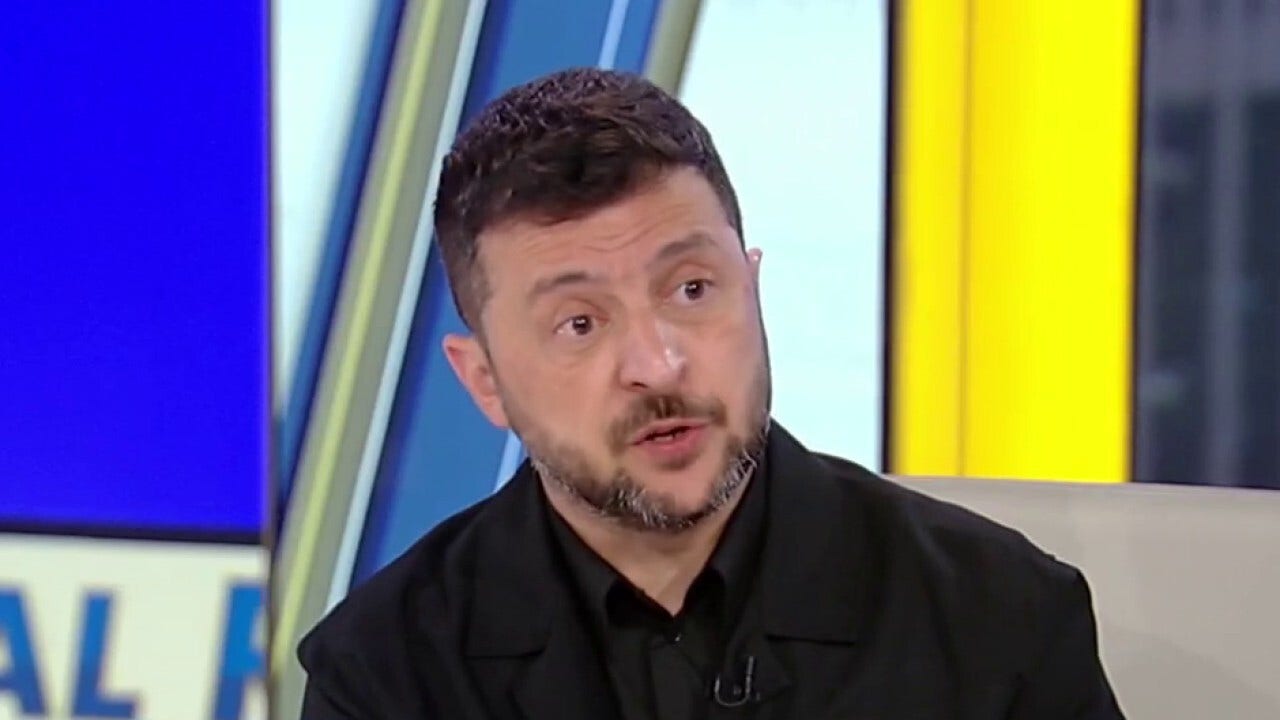
Ukrainian President Volodymyr Zelenskyy has maintained a diplomatic stance in his public comments, indicating he is “reviewing the points” with the goal of achieving a “dignified peace.” His measured response comes as discussions intensify between the United States, Ukraine, and European leaders over the future of the conflict that has devastated the region for years.
The 28-point plan contains numerous provisions that analysts describe as “easy ‘gimmes'” to Russia, including Moscow’s potential re-entry into the G-8, gradual lifting of international sanctions, and amnesty for actions committed by Russian troops during the conflict. While these concessions may be politically difficult for Ukraine to accept, some experts suggest they have minimal impact on Ukraine’s long-term sovereignty.
More controversial are provisions addressing cultural and religious matters, such as prohibiting “Nazi ideology” in Ukraine and adopting “EU rules on religious tolerance and linguistic minorities.” While these points may serve as diplomatic window-dressing for Moscow, they could effectively require Ukraine to restore official status to the Russian language and Russian Orthodox Church.
Three aspects of the proposal cross what many consider Ukraine’s “red lines.” First, the plan would effectively hand over the remaining contested portions of the Donetsk region to Russia, designating it as a demilitarized zone similar to that between North and South Korea. Second, Ukraine’s military would face a significant reduction, with troop strength limited to 600,000 personnel – a substantial decrease from current levels. Third, NATO troops would be prohibited from entering Ukraine, potentially complicating international peacekeeping efforts.
Despite these challenging terms, the proposal includes some positive elements for Ukraine, including affirmation of its sovereignty, security guarantees against future Russian aggression, and commitments for rebuilding assistance. Analysts suggest Ukraine’s best approach would be to focus on securing concrete specifics for these guarantees rather than rejecting the plan outright.
The Trump administration initially set a Thanksgiving deadline for agreement, though this timeframe has reportedly become more flexible as discussions continue. Another potential complication is the proposed timeline for Ukrainian elections within 100 days, which would occur amid ongoing allegations of corruption in Kyiv.
The stakes in this conflict remain enormous for Europe and the global community. As negotiations proceed, the fundamental question is whether Ukraine can secure modifications to the most problematic aspects of the plan while preserving its core sovereignty and security interests.
For the Ukrainian people, who have endured tremendous suffering throughout this conflict, finding a path to a just and sustainable peace remains the ultimate goal. As one diplomatic adage suggests, continued dialogue – even difficult dialogue – is preferable to continued warfare.
Fact Checker
Verify the accuracy of this article using The Disinformation Commission analysis and real-time sources.

20 Comments
The details of this peace plan are concerning. It appears to make significant concessions to Russia while downplaying Ukraine’s role and interests. Any sustainable resolution will require Ukraine’s full buy-in and a balanced approach that addresses the root causes of the conflict.
Absolutely. Ukraine’s sovereignty and right to self-determination should be the guiding principles for any negotiations.
While the goal of ending the war is understandable, this peace plan seems to heavily favor Russia. Ukraine’s perspectives and interests must be central to any negotiated settlement. The path forward is complex, but upholding Ukraine’s sovereignty should be a red line.
Absolutely. Any deal that doesn’t have Ukraine’s full buy-in is unlikely to be sustainable in the long run.
The plan seems to heavily favor Russia, which is concerning. Ukraine should have a strong voice in the process and not be sidelined. Curious to see how the discussions progress between the US, Ukraine, and Europe.
Exactly. Achieving a lasting peace will require balancing the interests of all key parties, not just Russia’s.
While the goal of ending the war is understandable, this peace proposal seems to heavily favor Russia’s interests over Ukraine’s. Achieving a just and lasting peace will require a more balanced approach that fully incorporates Ukraine’s perspectives and security concerns.
Well said. Ukraine’s voice must be central to any meaningful negotiations and proposed solutions.
The proposed peace plan raises a lot of red flags. Granting concessions to Russia while sidelining Ukraine’s interests is a non-starter. Achieving a just and lasting peace will require a more balanced approach that addresses the root causes of the conflict.
Agreed. Ukraine’s sovereignty and territorial integrity must be the foundation for any meaningful resolution.
This peace plan seems to make too many concessions to Russia. I hope the US and Europe will take a tougher stance and ensure Ukraine has a strong voice in the process. Careful diplomacy is needed to achieve a just and lasting resolution.
Agreed. Ukraine deserves a seat at the table, not to be treated as a pawn in geopolitical bargaining.
This peace proposal seems heavily weighted towards Russia’s demands. While ending the war is important, any deal that doesn’t fully incorporate Ukraine’s perspectives and security concerns is unlikely to be viable. The negotiations will require careful diplomacy and compromise from all sides.
Well said. Achieving a lasting peace will require balancing the interests of all stakeholders, not just Russia’s.
While the details of the peace proposal are complex, it’s clear that any viable solution must address Ukraine’s legitimate security concerns and maintain its sovereignty. The path forward doesn’t seem straightforward.
Well said. Ukraine’s territorial integrity and right to self-determination should be central to any negotiations.
Interesting analysis of the proposed Ukraine peace plan. Seems like a complex issue with many stakeholders and tradeoffs to consider. I’d be curious to hear more about Ukraine’s perspective and what a truly ‘dignified peace’ might look like from their standpoint.
Agreed, Ukraine’s input will be critical. Any deal that doesn’t have their full buy-in is unlikely to be sustainable.
The details of this peace proposal raise a lot of concerns. Prioritizing Russia’s interests over Ukraine’s sovereignty is problematic. I hope the negotiations can find a way to address the root causes of the conflict and deliver a fair outcome for all parties.
Well said. Lasting peace requires addressing the underlying issues, not just superficial concessions.