


Listen to the article
President Trump Faces Legal Challenge Over White House Ballroom Construction
A historic preservation organization has filed a lawsuit against the Trump administration, seeking to halt construction of a new 90,000-square-foot ballroom at the White House. The National Trust for Historic Preservation initiated the legal action Friday, arguing that the administration bypassed mandatory reviews and failed to obtain congressional approval before demolishing the East Wing.
“No president is legally allowed to tear down portions of the White House without any review whatsoever — not President Trump, not President Biden, and not anyone else,” the lawsuit states. The preservation group further argues that no president can “construct a ballroom on public property without giving the public the opportunity to weigh in.”
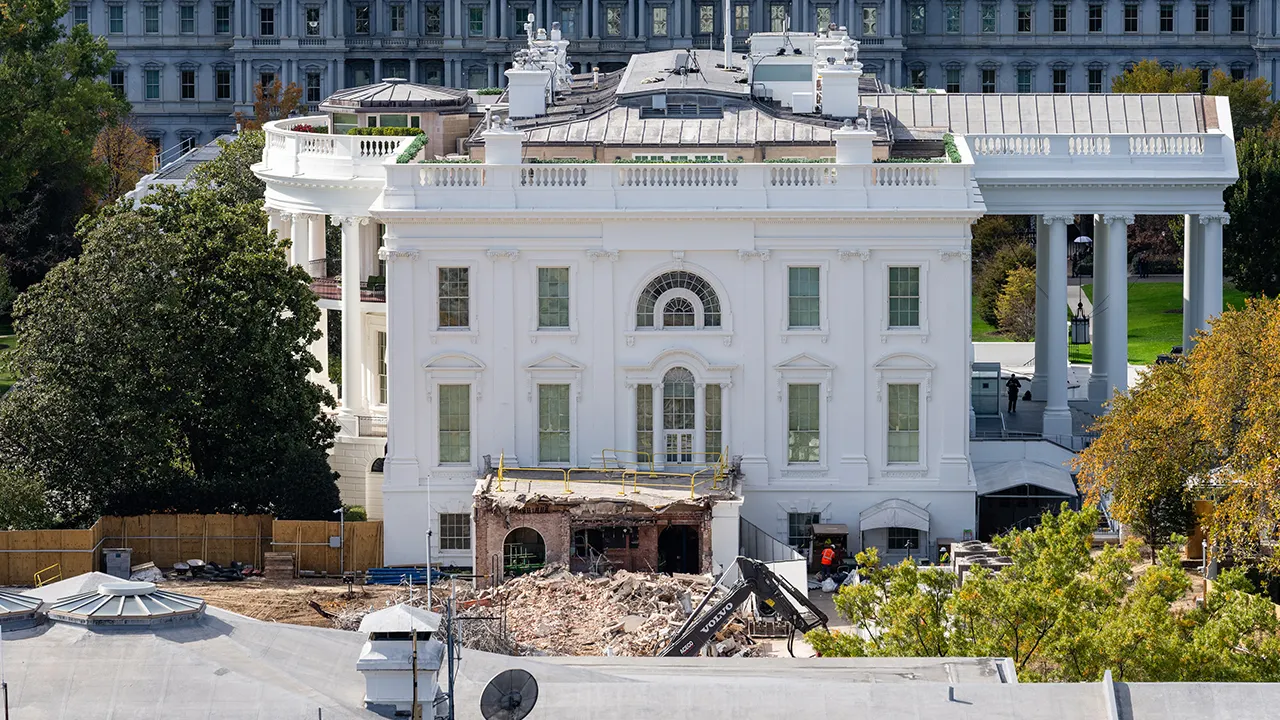
Construction on the controversial project began in October, resulting in the demolition of the historic East Wing. The privately funded initiative carries an estimated price tag of $300 million, a significant increase from the $200 million projection announced when the plans were unveiled in July.
White House spokesperson Davis Ingle defended the project when contacted by reporters, stating, “President Trump has full legal authority to modernize, renovate and beautify the White House – just like all of his predecessors did.”
According to the lawsuit, the administration failed to submit demolition plans to several key federal oversight bodies: the National Capital Planning Commission, the Commission of Fine Arts, and Congress. This omission, the plaintiffs argue, has deprived the public of their right to information and input on changes to the historic presidential residence.
The legal complaint also contends that the project violates multiple federal statutes, including the Administrative Procedure Act and the National Environmental Policy Act. Perhaps most significantly, the National Trust claims Trump has overstepped constitutional boundaries, asserting, “The President, acting unilaterally, is wholly without constitutional authority to build or demolish anything on federal Grounds.”
The preservation organization is asking a federal judge to issue an injunction preventing further construction until proper reviews are conducted. Their requests include approval from necessary federal commissions, completion of an adequate environmental assessment, and explicit congressional authorization for the ballroom’s construction.
This dispute highlights ongoing tensions regarding presidential authority over federal properties and the balance between modernization and historic preservation. The White House is a symbol of national heritage, having undergone numerous renovations throughout its history, though most have adhered to established federal review processes.
Historic preservation has long been a complex issue in Washington, D.C., where balancing modernization with the protection of cultural landmarks often creates controversy. The White House, as one of America’s most significant historic structures, remains subject to special protections and oversight requirements that apply to nationally important buildings.
The ballroom project represents one of the most substantial physical alterations to the White House complex in decades. Sources familiar with the administration’s plans indicate the White House is expected to submit formal plans for the ballroom to a federal planning commission before year’s end, though construction has already progressed considerably.
The outcome of this legal challenge could set important precedents regarding presidential authority over federal landmarks and the requirements for public input when altering historically significant government buildings. For now, the fate of the controversial ballroom project remains uncertain as the legal process unfolds.
Fact Checker
Verify the accuracy of this article using The Disinformation Commission analysis and real-time sources.

8 Comments
The White House is a symbol of American democracy, so any significant changes should go through proper review and approval processes. I’m curious to see how this lawsuit plays out and whether the administration will be required to halt the ballroom project.
Bypassing mandatory reviews and congressional approval seems concerning. The public has a right to weigh in on major renovations to such an iconic building.
While upgrading and modernizing the White House is understandable, I share the preservation group’s concerns about the lack of transparency and public input on this ballroom project. The White House belongs to all Americans, so major changes should involve the people.
Agreed. The public deserves a voice, especially when it comes to altering such an important national landmark.
This is an interesting legal challenge to the Trump administration’s plans for a new White House ballroom. While renovations may be needed, the public deserves transparency and input on major changes to a historic landmark like the White House.
I agree, the public should have a say in how the people’s house is altered, especially when it comes to large-scale construction projects.
A $300 million price tag for a new White House ballroom is quite eye-opening. I wonder if that level of spending on such a project is really warranted, especially given the current economic climate. The preservation group raises some valid points.
This legal challenge highlights the importance of preserving the historic integrity of the White House. Even with private funding, the administration should not be able to bypass standard review processes for a project of this scale. I hope the lawsuit succeeds in protecting the people’s house.