


Listen to the article
Democratic Leaders Face Turbulent Political Year in 2025
As 2025 draws to a close, several prominent Democratic figures find themselves reflecting on a year marked by political missteps and strategic failures that have significantly damaged their standing. From congressional leadership struggles to failed campaigns, these Democrats have faced particularly harsh criticism from conservative opponents.
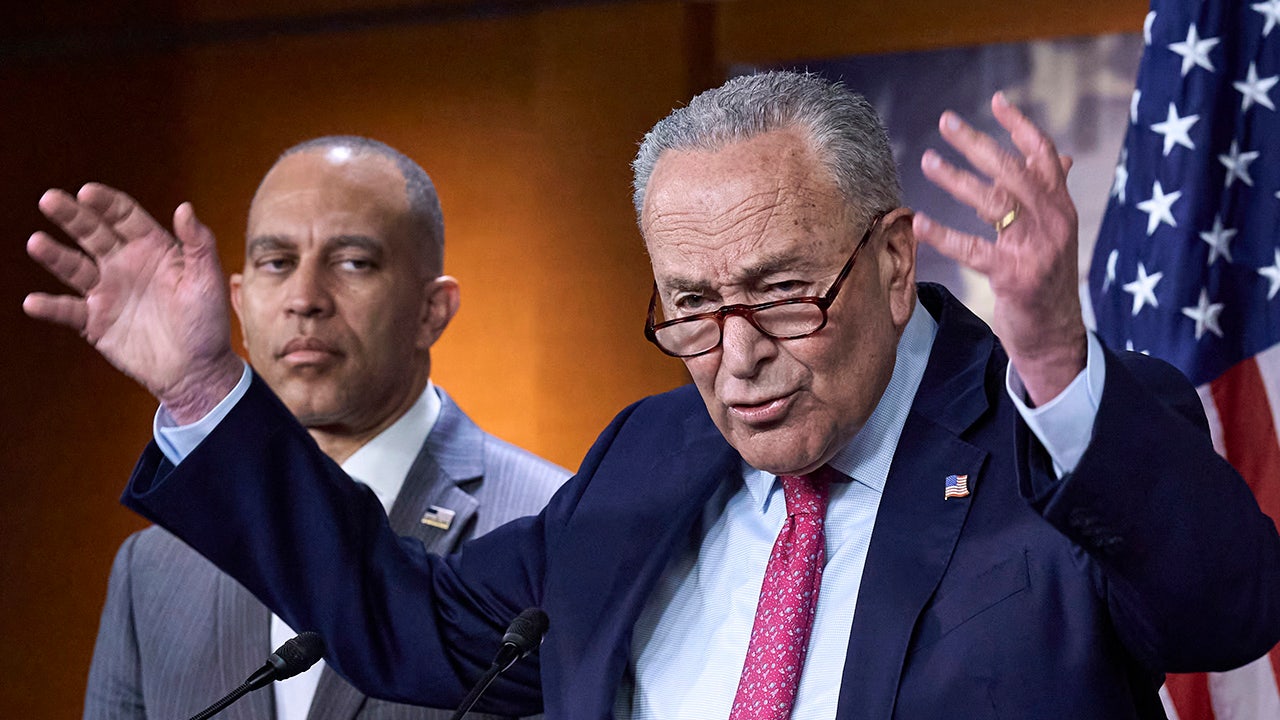
Senate Minority Leader Chuck Schumer emerged as perhaps the most criticized Democratic leader following his handling of a historic 43-day government shutdown that ultimately yielded no concessions for his party. The shutdown, triggered by Democrats’ refusal to advance spending legislation without extensions to Obamacare funding, became the longest in U.S. history and ended in a humiliating retreat.
Even progressive allies like Senator Elizabeth Warren questioned the strategy, stating, “I just don’t get what the point is of delaying even longer.” The fallout has been severe, with Democrats across both chambers of Congress questioning Schumer’s leadership capabilities and his future as the party’s Senate leader.
Schumer faced additional criticism for his hesitation to endorse Zohran Mamdani, the Democratic nominee for New York City mayor. Despite Mamdani’s clear front-runner status, Schumer repeatedly deflected questions about his support with vague statements like, “I have a good relationship with him, and we’re continuing to talk.” This ambivalence highlighted growing tensions between the party’s establishment and its progressive wing.
Vice President Kamala Harris also faced scrutiny following revelations in a book by CNN’s Jake Tapper and Axios reporter Alex Thompson that detailed President Joe Biden’s cognitive decline and efforts to conceal it. Harris, who maintained Biden could have served another term before eventually replacing him as the Democratic presidential nominee, faced questions about what she knew regarding Biden’s mental state.
Her candidacy, initially viewed as the logical choice by many Democrats, came under intense criticism after Donald Trump’s November victory. Party members increasingly questioned whether Harris should have joined earlier calls for Biden to step aside, potentially allowing for a different candidate or strategy.
The Biden administration itself faced embarrassment over the so-called “autopen presidency.” In a symbolic gesture highlighting alleged delegation of presidential authority, the Trump administration replaced Biden’s portrait in the White House with a picture of an autopen—a device used to mimic signatures. A House Oversight Committee report claimed Biden’s “top advisors, political operatives, and personal physician concealed the President’s mental and physical decline” while exercising presidential authority without proper authorization.
Former New York Governor Andrew Cuomo’s attempted political comeback ended in failure when he lost his bid for New York City mayor. After failing to secure the Democratic nomination against Zohran Mamdani, Cuomo mounted an independent campaign that also fell short by nearly nine points. His defeat symbolized broader questions about whether traditional Democrats can still compete against more progressive voices within the party.
“This campaign was necessary to make that point – a caution flag that we are heading down a dangerous, dangerous road,” Cuomo said in his concession speech. “Well, we made that point, and they heard us, and we will hold them to it.”
These political setbacks have collectively raised fundamental questions about the Democratic Party’s direction and leadership heading into 2026, with establishment figures increasingly at odds with the party’s progressive momentum.
Fact Checker
Verify the accuracy of this article using The Disinformation Commission analysis and real-time sources.

13 Comments
The government shutdown debacle is certainly a cautionary tale. Digging in on principle can backfire if the messaging and strategy aren’t airtight. Curious to see if the party makes adjustments ahead of the next election cycle.
Absolutely. Managing expectations and finding pragmatic compromises may be the better path, even if it’s politically risky in the short term.
The fallout from the government shutdown highlights the importance of unity and clear messaging within the Democratic party. Internal divisions can be ruthlessly exploited by opponents.
Agreed. Cohesive, disciplined leadership is crucial, especially on high-stakes issues like government funding.
The fact that even progressive allies like Warren were questioning the shutdown strategy suggests the Democrats really missed the mark. Overplaying your hand can be a costly mistake.
Absolutely. Strategic missteps that divide the party’s own base are especially damaging.
Fascinating to see how these political missteps could reverberate so strongly, even impacting down-ballot races. The public seems to have little patience for strategic blunders these days.
It’s surprising to see a veteran politician like Schumer get so heavily criticized for his handling of the shutdown. Shows how quickly the political winds can shift these days.
Interesting to see how political missteps can have such lasting impacts on public perception. It will be important for Democratic leaders to learn from these blunders and chart a more effective path forward.
Agreed. Transparency and accountability will be key for regaining trust after such high-profile failures.
Curious to see if Schumer and others can recover from this reputational blow. Regaining the trust of both voters and party colleagues won’t be easy.
The article highlights how quickly political fortunes can turn. These kinds of high-profile blunders can haunt leaders for years, even decades. Lessons to be learned here.
Indeed. The political landscape is more volatile than ever, so adaptability and foresight are essential for any party hoping to succeed.