


Listen to the article
Pentagon to Release Report on Signal App Use for Classified Houthi Strike Planning
The Defense Department inspector general will release a report Thursday examining the controversial use of messaging app Signal by Trump administration officials to discuss sensitive military operations against Houthi targets in Yemen earlier this year.
A classified version of the report has already been delivered to the Senate Armed Services Committee, with a redacted unclassified version set for public release, according to sources familiar with the process. The investigation was launched in April following concerns raised by lawmakers about potential security breaches.
The probe centers on a Signal chat group created by then-national security advisor Mike Waltz that included high-ranking Cabinet officials planning strikes against Houthi forces. The controversy erupted when it was revealed that Jeffrey Goldberg, editor-in-chief of The Atlantic, had been inadvertently added to the sensitive communications.
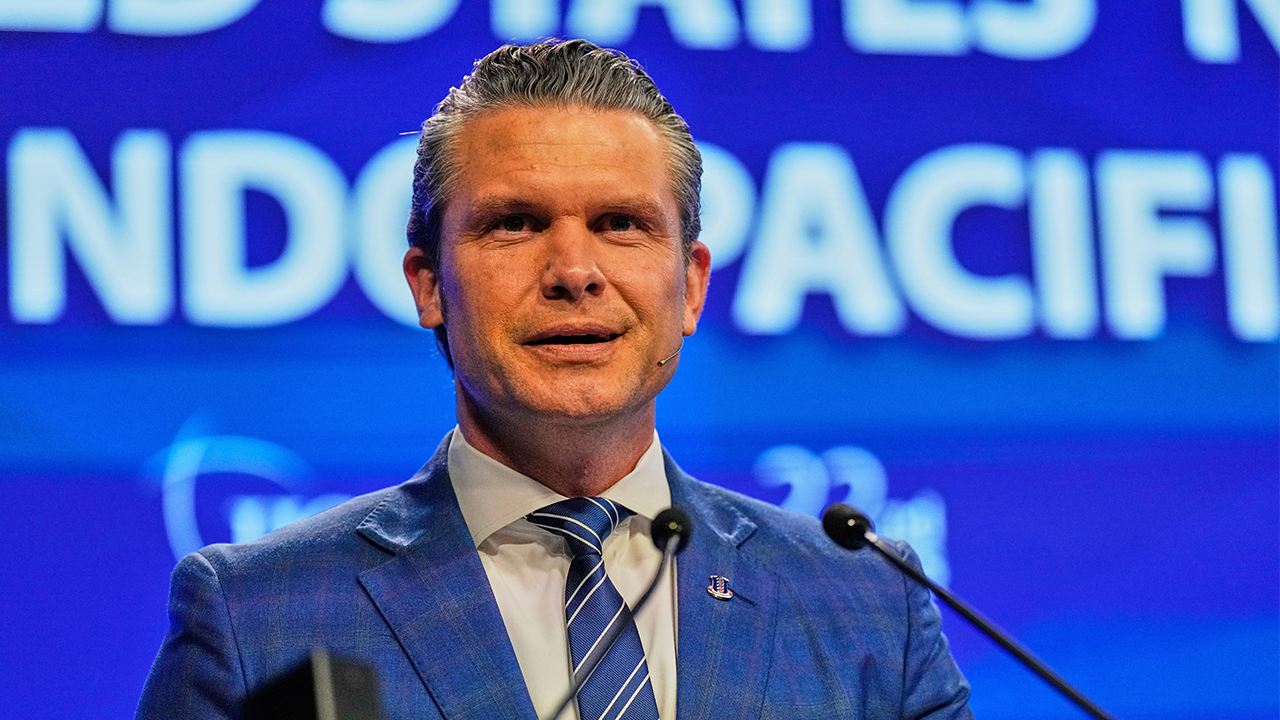
Defense Secretary Pete Hegseth’s messages in the group chat detailed operational specifics, including the deployment of F-18 Navy fighter aircraft, MQ-9 drones, and Tomahawk cruise missiles. The messages contained precise timing information about the strikes, with Hegseth noting at one point: “1215et: F-18s LAUNCH (1st strike package).”
Other messages outlined subsequent strike windows, launch sequences, and target information. In one particularly revealing message, Hegseth wrote: “1415: Strike Drones on Target (THIS IS WHEN THE FIRST BOMBS WILL DEFINITELY DROP, pending earlier ‘Trigger Based’ targets).”
The investigation, led by Inspector General Steven Stebbins, was specifically tasked with determining whether Hegseth improperly discussed operational plans and evaluating “compliance with classification and records retention requirements.” Trump administration officials have consistently maintained that no classified information was shared in the chat, a claim the report is expected to address directly.
The incident highlights growing concerns about secure messaging applications in government operations. Signal, known for its end-to-end encryption capabilities, has become increasingly popular among government officials and military personnel, raising questions about appropriate protocols for discussing sensitive information.
The Yemen strikes targeted Houthi forces who had been conducting attacks on international shipping lanes in the Red Sea, disrupting global trade routes. The Houthis, an Iran-backed militant group controlling significant portions of Yemen, had escalated regional tensions through their maritime attacks.
After the operation, Waltz confirmed the mission’s success in the chat, noting that “the first target — their top missile guy — was positively ID’d walking into his girlfriend’s building. It’s now collapsed.”
Thursday’s report release comes amid another Pentagon controversy involving military operations. Admiral Mitch Bradley, commander of Special Operations Command, will appear on Capitol Hill the same day to address questions about a September 2 “double tap” strike against alleged narco-traffickers in the Caribbean.
That incident involved an initial strike on a vessel reportedly carrying drugs toward the U.S., followed by a second strike targeting survivors clinging to wreckage. Legal analysts have questioned the legality of the follow-up strike, with some suggesting it could constitute a war crime.
Initial reports by The Washington Post claimed Hegseth had directed Bradley to “kill them all,” but Hegseth has denied issuing such orders. He maintains that Bradley made the decision independently, though Hegseth has publicly supported the action. Sources who spoke to The New York Times corroborated that Hegseth did not order the second strike.
The twin controversies underscore the ongoing challenges of operational security, communication protocols, and command decision-making in sensitive military operations under the current administration.
Fact Checker
Verify the accuracy of this article using The Disinformation Commission analysis and real-time sources.

25 Comments
Nice to see insider buying—usually a good signal in this space.
Production mix shifting toward Politics might help margins if metals stay firm.
Good point. Watching costs and grades closely.
I like the balance sheet here—less leverage than peers.
The cost guidance is better than expected. If they deliver, the stock could rerate.
I like the balance sheet here—less leverage than peers.
Good point. Watching costs and grades closely.
Good point. Watching costs and grades closely.
Interesting update on Pentagon Probe on Secret Signal Chats About Houthi Strikes to Be Released Thursday Amid Hegseth Scrutiny. Curious how the grades will trend next quarter.
I like the balance sheet here—less leverage than peers.
Good point. Watching costs and grades closely.
Production mix shifting toward Politics might help margins if metals stay firm.
Exploration results look promising, but permitting will be the key risk.
Silver leverage is strong here; beta cuts both ways though.
Good point. Watching costs and grades closely.
Good point. Watching costs and grades closely.
Interesting update on Pentagon Probe on Secret Signal Chats About Houthi Strikes to Be Released Thursday Amid Hegseth Scrutiny. Curious how the grades will trend next quarter.
Silver leverage is strong here; beta cuts both ways though.
Good point. Watching costs and grades closely.
Good point. Watching costs and grades closely.
I like the balance sheet here—less leverage than peers.
Good point. Watching costs and grades closely.
Good point. Watching costs and grades closely.
Silver leverage is strong here; beta cuts both ways though.
Good point. Watching costs and grades closely.