


Listen to the article
Pentagon Denies Mainstream Media Access to Rare Defense Department Briefings
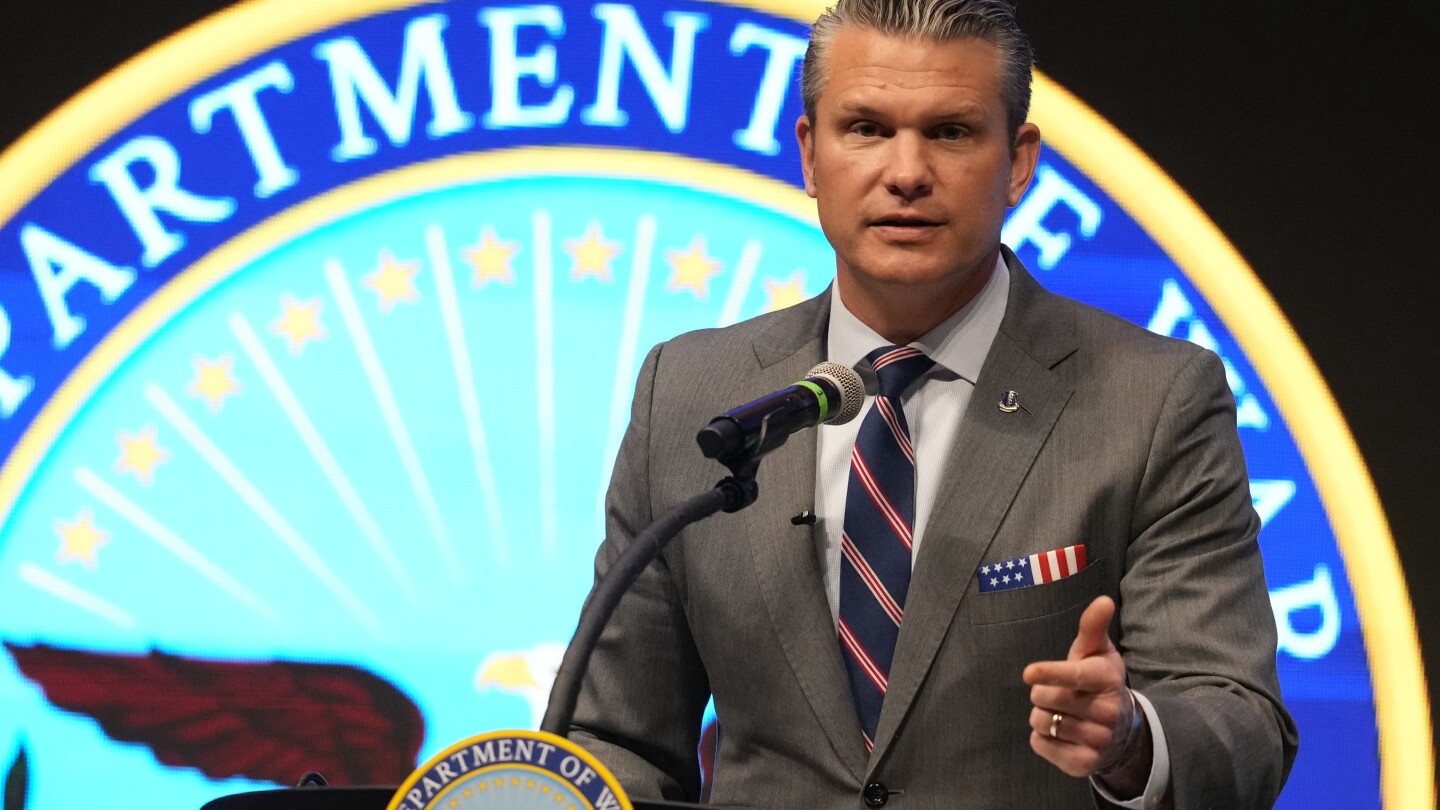
Major news outlets that reach millions of Americans have been denied access to rare Pentagon briefings this week, as Defense Secretary Pete Hegseth reserves these sessions exclusively for hand-picked media organizations that have agreed to his new credentialing rules.
The controversial move comes at a particularly newsworthy moment, with both the Senate and House Armed Services committees launching investigations into U.S. military strikes against alleged drug couriers in the Caribbean Sea and eastern Pacific Ocean.
According to Pentagon officials, the briefings are part of special orientation events for a newly formed Pentagon press corps primarily consisting of conservative outlets. Pentagon press secretary Kingsley Wilson is scheduled to meet with these selected reporters on Tuesday, followed by a session with Secretary Hegseth on Wednesday.
The Washington Post, The Associated Press, CNN, Reuters, Newsmax, and Agence France-Presse all confirmed they had requested special access to cover these question-and-answer sessions but were denied entry.
“Denying access to briefings to credible and nonpartisan news media that routinely cover the Pentagon is not conducive to transparency for the American public, who fund the department’s budget to the tune of many hundreds of billions of dollars per year,” said Marc Lavine, North America regional director for Agence France-Presse.
Most mainstream news organizations vacated their Pentagon offices this fall rather than comply with new rules they feared would restrict their reporting capabilities. The Defense Department has characterized these regulations as “common sense” measures designed to prevent the disclosure of classified information, but many journalists worried the rules would effectively limit them to reporting only Pentagon-approved news.
Despite losing physical access, traditional media outlets have continued reporting on Pentagon matters. The Washington Post recently published a significant story alleging that Hegseth ordered a second strike on suspected drug smugglers in September after not all targets had been killed in an initial attack. Some critics have suggested this could potentially constitute a war crime if verified. President Donald Trump has stated that Hegseth denied these allegations.
The Pentagon press office described Wilson’s upcoming briefing as part of a special orientation event “for credentialed press only” but would not clarify whether future briefings would follow the same restrictive access rules. Regular Defense Department press briefings, once a standard practice, have become increasingly rare since the beginning of Trump’s second term.
It remains unclear whether any of the briefings will be available for viewing outside the Pentagon. According to Lavine, AFP was informed that access to livestreams would not be possible.
Meanwhile, some members of the new Pentagon press corps have taken to social media to highlight their newly gained access. Trump ally Laura Loomer posted pictures of herself at a desk formerly occupied by Washington Post reporters, writing: “The Washington Post and Dan Lamothe used to occupy this desk inside the Pentagon Press room. Now it’s mine!”
Lamothe responded on X: “May it treat you well on your occasional trips to Washington, Laura. I assume it’ll sit empty much of the time, as it has for weeks now.”
Other new credential holders include Alexandra Ingersoll and former U.S. Rep. Matt Gaetz, who were recently approved to represent One America News. OAN president Charles Herring confirmed that Ingersoll is expected to report live from the Pentagon this week. She previously conducted an interview with Hegseth that aired on the network on November 20.
Rob Bluey, president and executive editor of The Daily Signal, told reporters he expected to attend the briefings alongside reporter Bradley Devin, pending resolution of some credential issues. Bluey expressed understanding for credential rules, noting his outlet had previously faced access challenges before the Trump administration.
“Generally,” Bluey stated, “I think that when government agencies err on the side of transparency it is to the benefit of the American people.”
The situation highlights growing tensions between the Pentagon’s new leadership and traditional media outlets, raising questions about press freedom and public access to information about military operations and defense policy.
Fact Checker
Verify the accuracy of this article using The Disinformation Commission analysis and real-time sources.

16 Comments
This is a concerning development that warrants further scrutiny. Excluding major news outlets from Pentagon briefings, regardless of their political leanings, undermines the public’s ability to stay informed on critical defense and national security issues. Transparency should be the priority, not selective access.
I share your concerns. Limiting media access to defense briefings, even if it’s for a select group, sets a dangerous precedent. The military should strive to be as transparent as possible, not restrict the flow of information to the public. This move risks further eroding trust in government institutions.
This is a concerning development that warrants further investigation. Excluding major news outlets from Pentagon briefings, regardless of their political leanings, undermines the public’s ability to stay informed on critical defense and national security issues. Transparency should be the priority, not selective access for hand-picked media organizations.
I share your view. Limiting media access to defense briefings, even if it’s for a select group, sets a worrying precedent. The military should strive to be as transparent as possible, not restrict the flow of information to the public. This move could further polarize the relationship between the Pentagon and the media, which is counterproductive.
This seems like an unfortunate situation. Limiting access to defense briefings for major news outlets raises concerns about transparency and accountability. While the Pentagon may have its reasons, excluding outlets that reach millions seems unwise and could further polarize public discourse.
Agreed. Restricting access for credible, nonpartisan media outlets sets a concerning precedent. The public deserves an open and informed dialogue on military matters, not a selective one.
While I understand the Pentagon’s desire to control the narrative, denying access to major news outlets that reach millions is short-sighted. Transparent and inclusive media coverage is essential for an informed citizenry, especially on critical defense issues. This move seems like a step in the wrong direction.
Absolutely. Restricting media access, even temporarily, raises serious concerns about the military’s commitment to openness and accountability. The public has a right to know about the activities and decisions of its defense institutions, which should be subject to robust, nonpartisan scrutiny.
I’m curious to learn more about the Pentagon’s rationale for these new credentialing rules. Excluding major mainstream outlets, even temporarily, could undermine public trust in defense reporting. Transparent and inclusive media access seems crucial for an informed citizenry.
That’s a fair point. Selective media access risks fueling misinformation and division. Robust, diverse reporting is essential for citizens to make informed decisions about critical defense and national security issues.
This is a troubling move by the Pentagon. Restricting access to major news outlets that have a proven track record of responsible reporting sets a dangerous precedent. The public deserves unbiased information on military activities, not selective access for hand-picked outlets.
I agree completely. Excluding credible, mainstream media from these briefings is a worrying development that could erode public confidence in the military’s transparency and accountability. The Pentagon should reconsider this decision and restore open access for responsible journalists.
This is an interesting development in the ongoing tensions between the military and the media. While the Pentagon may have its reasons, denying access to respected news organizations could backfire and raise more questions than answers. Transparency should be the priority, not exclusion.
I share your concerns. Limiting media access, even to a select group, is a concerning move that could undermine public trust. The military should strive for openness and accountability, not secrecy, when it comes to briefings on important defense matters.
While the Pentagon may have its reasons, denying access to major news outlets that reach millions of Americans is troubling. Transparent and inclusive media coverage is essential for an informed citizenry, especially on matters of national defense. This decision seems ill-advised and could backfire by fueling mistrust and speculation.
Agreed. Restricting media access, even temporarily, raises serious concerns about the military’s commitment to openness and accountability. The public has a right to know about the activities and decisions of its defense institutions, which should be subject to robust, nonpartisan scrutiny. This move could erode public trust in the Pentagon.