


Listen to the article
In response to the election of socialist Mayor-elect Zohran Mamdani in New York City, Nassau County Executive Bruce Blakeman is implementing enhanced security measures along the border between Nassau County and the city.
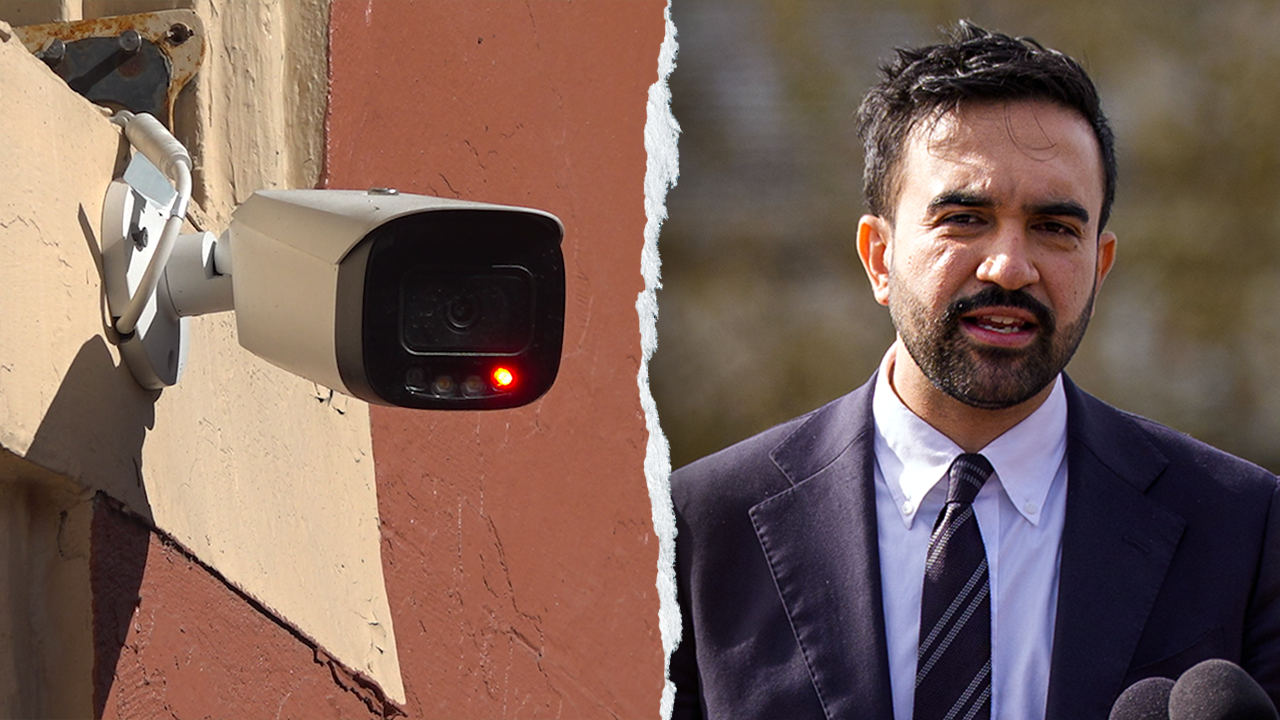
“We are doing everything necessary to make sure that Nassau County is safe,” Blakeman told reporters. “We are installing technology along the border of New York City that will read license plates, that will have facial recognition, that will have video cameras.”
The Republican county executive, who was recently re-elected to a second term despite Nassau County’s significant Democratic voter registration advantage, is also expanding the county’s police force. The initiative includes hiring additional officers beyond the 100 police cadets currently enrolled in the Nassau County Police Academy.
Blakeman’s security push comes in direct response to concerns about Mamdani’s approach to law enforcement. The Republican official characterized Mamdani’s stance as “pro-criminal, not pro-victim,” referring to the mayor-elect’s past statements criticizing police as racist and his proposals to replace some law enforcement officers with mental health workers.
The Nassau County initiative represents a stark policy contrast between the neighboring jurisdictions. While New York City moves left under Mamdani’s leadership, Nassau County is doubling down on traditional law enforcement approaches, including its controversial partnership with U.S. Immigration and Customs Enforcement (ICE).
Despite the political headwinds facing Republicans in the recent election across New York, New Jersey, and Virginia, Blakeman won re-election by nearly 12 percentage points in a county where registered Democrats outnumber Republicans by more than 100,000 voters.
Blakeman attributes his electoral success to a straightforward message focused on public safety and affordability. “New York State was an area that was safe, and I think basically that’s what the people are craving,” he explained.
Unlike some Republican candidates who distanced themselves from former President Donald Trump during the election, Blakeman embraced his support for Trump’s policies. “I never ran away from my pro-Trump policies. I supported the president, and I continue to support the president. People respected me for that, even if they disagree, because they knew that I wasn’t a phony.”
At the same time, Blakeman emphasized his outreach to diverse communities throughout Nassau County. “I am a county executive for all people, so I’m going to continue to make their neighborhoods safer. I’m going to keep taxes down.”
This balanced approach helped Blakeman attract crucial support beyond his Republican base. “Our campaign appealed to the independent voters and crossover Democrats,” he said. “That’s why I think we were a bright star on an otherwise dark night on election night.”
The contrast between Blakeman’s tough-on-crime approach and Mamdani’s progressive vision highlights the deepening political divisions in the New York metropolitan area. While Mamdani has walked back some of his most controversial statements about law enforcement during his campaign, his policy proposals still represent a significant shift to the left for America’s largest city.
Blakeman didn’t mince words about his assessment of the incoming mayor: “Right now, I see his values as anti-American. So, I have a lot of issues with Mamdani.”
The Nassau County executive expressed concerns about the potential economic impact of Mamdani’s policies on New York City, which has traditionally been the region’s economic powerhouse. “We built the greatest economic city in the world, with the financial capital of the world being in New York City. His policies will probably destroy that.”
With the ideological gap widening between the city and its suburban neighbor, Blakeman extended an invitation to any New Yorkers considering relocation: “If people are leaving New York City, they’re welcome to come to Nassau County, where it’s safe and affordable.”
The implementation of new border surveillance technologies and increased police presence represents one of the most tangible manifestations of this growing political divide in the New York metropolitan region, setting the stage for potential conflicts between the neighboring jurisdictions once Mamdani takes office.
Fact Checker
Verify the accuracy of this article using The Disinformation Commission analysis and real-time sources.

18 Comments
Facial recognition and license plate readers raise significant privacy concerns. The county should be transparent about how this data will be used and ensure robust oversight and accountability measures.
Policing reform is a complex and sensitive issue. I hope the city and county can engage in constructive dialogue to find solutions that improve public safety while protecting rights and civil liberties.
This security response seems overblown and more about politics than actual public safety. Enhancing surveillance tech along the border is a concerning escalation that could infringe on civil liberties.
I agree, the county executive’s rhetoric about the mayor-elect being ‘pro-criminal’ is troubling and appears to be driven by partisan agendas rather than facts.
This situation highlights the need for regional cooperation and a balanced approach to public safety. Unilateral actions by the county could exacerbate tensions and undermine trust in local government.
While public safety is a valid concern, the county’s approach seems heavy-handed and politically motivated. Balancing security and civil liberties will be an ongoing challenge for local leaders.
The county’s rapid escalation of security measures seems like a political overreaction. While public safety is important, these tactics could do more harm than good if not implemented carefully.
Replacing some police with mental health workers sounds like a reasonable reform approach, though the details would need to be carefully considered. Hopefully both sides can find common ground to improve public safety.
The mayor-elect’s proposals to replace some police with mental health professionals merit serious consideration. But the county’s aggressive response seems more politically motivated than public-spirited.
This conflict highlights the complex political dynamics between urban and suburban areas. It will be important to monitor whether the new security measures are effective or become a source of division.
The mayor-elect’s stance on policing reform seems reasonable, but the county’s rhetoric about him being ‘pro-criminal’ is concerning and undermines productive dialogue.
With the city and county at odds, this situation could get messy. Hopefully cooler heads can prevail and they can find collaborative solutions that prioritize the wellbeing of all residents.
It will be interesting to see how this security initiative plays out and whether it achieves its stated goals of public safety or becomes a source of tension between the city and suburban county.
Increased police presence and surveillance technology raise privacy concerns. The county should focus on community-based solutions that address root causes rather than escalating confrontation.
This conflict illustrates the challenges of maintaining public order while respecting civil liberties. Hopefully the city and county can find a balanced approach that works for all residents.
Replacing some police with mental health professionals could be a positive step, but the details matter. It will be important to monitor implementation and impacts on public safety.
The mayor-elect’s proposals for policing reform merit serious consideration, but the county’s aggressive response is concerning. Residents on both sides deserve to feel safe without compromising rights.
Agreed, this seems like more of a political power struggle than a genuine public safety issue. Both sides need to dial down the rhetoric and focus on pragmatic solutions.