


Listen to the article
Norman Podhoretz, Neo-Conservative Leader and Commentary Editor, Dies at 95
Norman Podhoretz, the influential editor who transformed Commentary magazine into a cornerstone of American conservative thought and became a leading figure in the neo-conservative movement, died Tuesday night at age 95. According to his son John Podhoretz, he passed away “peacefully and without pain.”
“He was a man of great wit and a man of deep wisdom and he lived an astonishing and uniquely American life,” the younger Podhoretz said in a statement on Commentary’s website.
Podhoretz stood as one of the last survivors of the “New York intellectuals,” the formidable mid-20th century circle that included luminaries such as Norman Mailer, Hannah Arendt, Susan Sontag, and Lionel Trilling. His career trajectory mirrors the political shift that defined his generation of neo-conservatives – beginning firmly on the left before undertaking a dramatic rightward journey that would reshape American political discourse.
Born to Jewish immigrants in Brooklyn, Podhoretz was appointed editor-in-chief of Commentary in 1960 at just 30 years old. Under his guidance until 1995, the once-liberal publication became an essential platform for conservative thought. The magazine’s influence reached the highest levels of government, with future UN ambassadors Daniel Patrick Moynihan and Jeane Kirkpatrick securing their appointments partly due to essays published in its pages advocating for a more assertive American foreign policy.
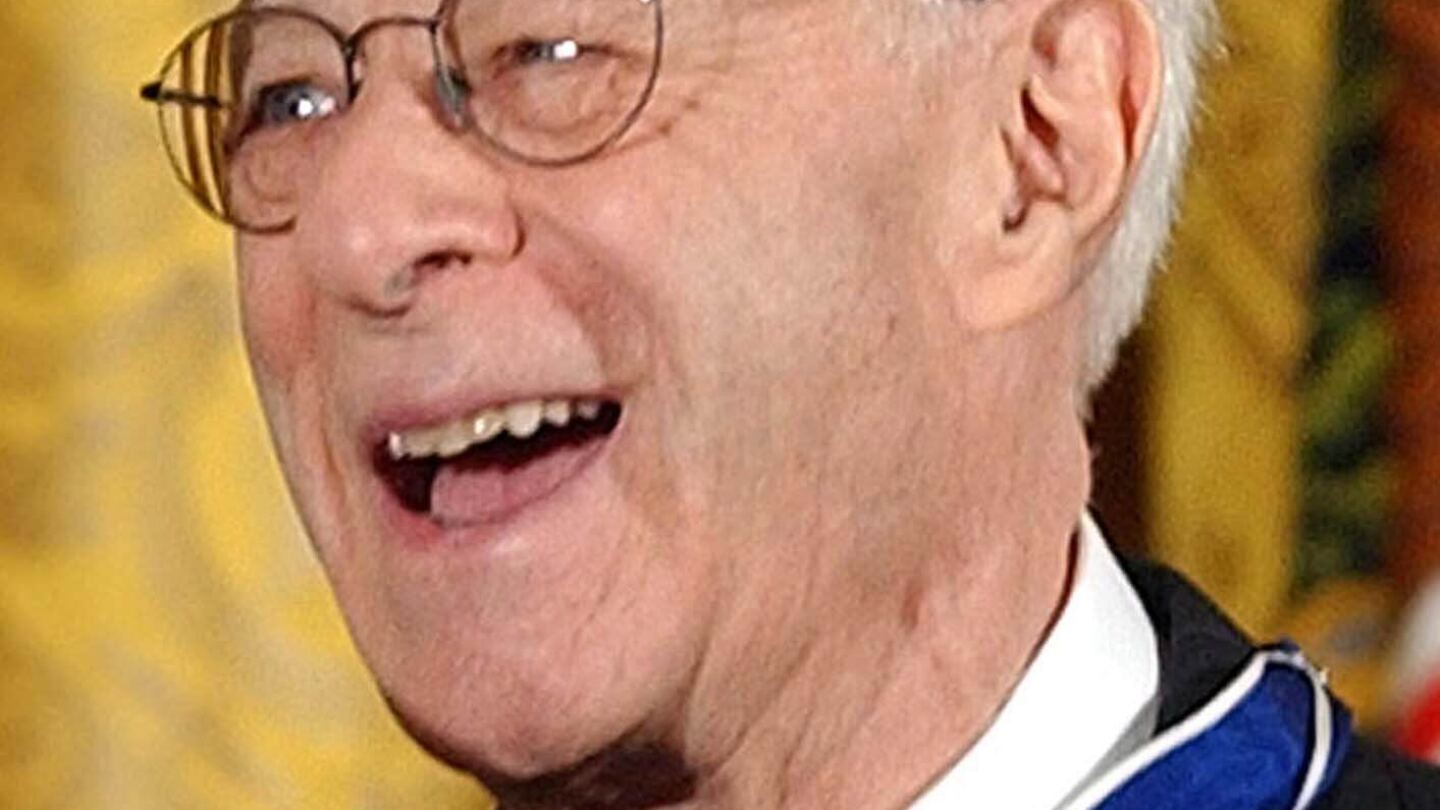
Podhoretz’s political transformation earned him powerful new allies, including President Ronald Reagan, who regularly read Commentary. In 2004, President George W. Bush awarded him the Presidential Medal of Freedom, praising him as a man of “fierce intellect” who never “tailored his opinion to please others.”
Throughout his career, Podhoretz embraced controversy. His books featured provocative titles like “Making It,” “The Present Danger,” “World War IV,” and “Ex-Friends: Falling Out with Allen Ginsberg, Lionel and Diana Trilling, Lillian Hellman, Hannah Arendt, and Norman Mailer.” He consistently advocated for aggressive foreign policy positions, at times criticizing even Reagan for engaging with Soviet leadership.
His ardent defense of Israel remained unwavering, once writing that “hostility toward Israel” represented not just antisemitism but a betrayal of “the virtues and values of Western civilization.”
Podhoretz’s combative style made him a frequent target for criticism. New York Times reviewer Michiko Kakutani dismissed his book “World War IV” as an “illogical screed based on cherry-picked facts and blustering assertions.” His former friend Allen Ginsberg mocked him for having “a great ridiculous fat-bellied mind which he pats too often.” Novelist Joseph Heller used Podhoretz as the model for a character in his book “Good as Gold,” while Woody Allen referenced Commentary in a joke from “Annie Hall.”
From his earliest days, Podhoretz harbored ambitions of greatness. Raised in a working-class Brooklyn neighborhood, he credited his family’s adoration for giving him a sense of destiny. A self-described “smartest kid in the class,” Podhoretz was competitive and driven, later writing that “One of the longest journeys in the world is the journey from Brooklyn to Manhattan.”
That journey took him through Columbia University, where he graduated in 1950, followed by a master’s degree from Cambridge University in England. By his mid-20s, he was publishing reviews in prestigious magazines and socializing with literary elites. In 1956, he became associate editor at Commentary before assuming the top position four years later. Around this time, he married writer and editor Midge Decter, another future neo-conservative, remaining with her until her death in 2022.
Podhoretz’s 1967 book “Making It” marked a decisive turning point in his career. His frank embrace of status-seeking alienated him from the New York intellectual circles he had once courted. By decade’s end, his political views had shifted dramatically. Like other neo-conservatives, he initially remained affiliated with Democrats into the 1970s but gravitated toward traditional politicians like Edmund Muskie rather than anti-Vietnam War figures like George McGovern.
His later political evolution included serving as an advisor to the United States Information Agency during the Reagan administration and helping write Jeane Kirkpatrick’s famous 1984 convention speech criticizing those who “blame America first.” In his final years, Podhoretz surprised former allies by supporting Donald Trump.
“I began to be bothered by the hatred against Trump that was building up from my soon to be new set of ex-friends,” he told the Claremont Review of Books in 2019. “I took offense at that. So that inclined me to what I then became: anti-anti-Trump.”
Fact Checker
Verify the accuracy of this article using The Disinformation Commission analysis and real-time sources.

10 Comments
The passing of Norman Podhoretz marks the end of an era for the ‘New York intellectuals’ who played such an influential role in 20th century American politics and culture.
His transformation from a left-leaning thinker to a prominent neo-conservative voice is a fascinating case study in ideological shifts within the intellectual class.
The death of Norman Podhoretz is a significant moment for students of American political history. His journey from liberal to neo-conservative offers insights into the ideological divides that have shaped modern politics.
As one of the last surviving members of the ‘New York intellectuals,’ Podhoretz’s legacy will no doubt be the subject of much scholarly analysis in the years to come.
Podhoretz’s role in transforming Commentary into a bastion of neo-conservative thought was instrumental in the rightward shift of American conservatism. His passing marks the end of an era in the evolution of political discourse.
It will be fascinating to see how Podhoretz’s life and work are reassessed in the context of the current political climate, which has continued to evolve since his heyday.
Podhoretz’s impact on American conservatism cannot be overstated. As the long-serving editor of Commentary, he helped catalyze the rise of neo-conservatism and its influence on policy debates.
It will be worth examining how his ideas and writings continue to resonate, even as the political landscape has evolved significantly since his heyday.
Podhoretz was a significant figure in the neo-conservative movement, shaping political discourse through his role at Commentary magazine. His ideological journey reflects the complex dynamics within the intellectual class during that era.
It will be interesting to see how his legacy is assessed in the context of the modern political landscape he helped shape.