


Listen to the article
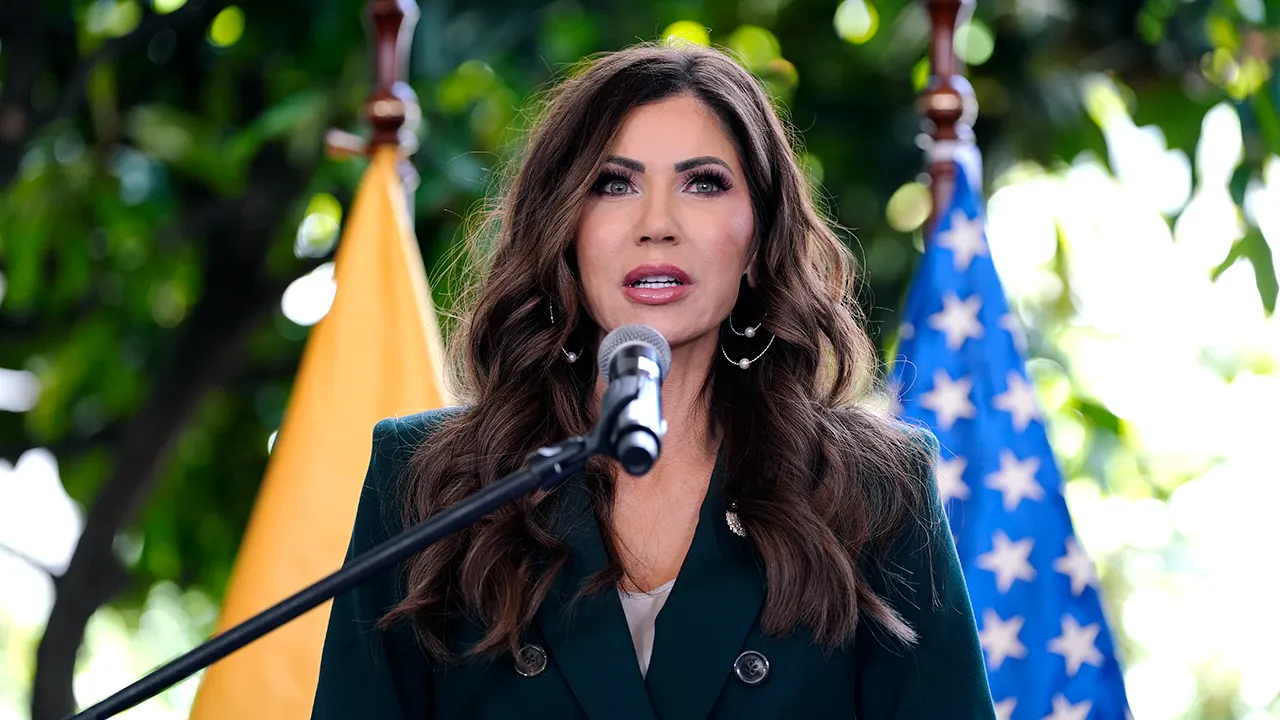
Homeland Security Secretary Kristi Noem has proposed a comprehensive travel ban targeting countries she claims are sending dangerous immigrants to the United States, following a meeting with President Donald Trump. The announcement came via a strongly worded statement posted on social media platform X.
“I just met with the President. I am recommending a full travel ban on every country that’s been flooding our nation with killers, leeches, and entitlement junkies,” Noem stated, using harsh language to characterize certain immigrants she views as threats to American safety and resources.
In her statement, Noem framed immigration in stark terms, suggesting that immigrants from targeted countries are depleting taxpayer resources meant for American citizens. “Our forefathers built this nation on blood, sweat, and the unyielding love of freedom—not for foreign invaders to slaughter our heroes, suck dry our hard-earned tax dollars, or snatch the benefits owed to AMERICANS,” she wrote, concluding with “WE DON’T WANT THEM. NOT ONE.”
The timing of Noem’s announcement appears directly connected to a recent violent incident in Washington, D.C. Last Wednesday, an Afghan immigrant allegedly attacked two National Guard members just blocks from the White House, escalating concerns about immigration security protocols.
Law enforcement identified the suspect as 29-year-old Rahmanullah Lakanwal, who legally entered the United States in 2021 through the Biden administration’s Operation Allies Welcome. This program was established to evacuate and resettle Afghan refugees during the Taliban’s takeover of Afghanistan following the U.S. withdrawal from the country.
Noem has criticized the vetting processes used during this operation, claiming that Lakanwal was not properly screened before being allowed entry into the country. She placed blame squarely on the Biden administration for what she characterized as inadequate security screening of Afghan refugees and other foreign nationals.
The proposed travel ban would represent a significant shift in U.S. immigration policy. Similar restrictions were implemented during the first Trump administration, though those targeted specific countries. Noem’s proposal appears more sweeping in its intent, potentially affecting numerous nations and thousands of prospective immigrants and visitors.
Immigration policy has long been a cornerstone of Trump’s political platform. His first administration implemented various restrictions, including the controversial 2017 travel ban that initially targeted seven predominantly Muslim countries. That executive order faced numerous legal challenges before a modified version was ultimately upheld by the Supreme Court.
The current proposal comes amid heightened national debate over immigration policy, with Republicans generally favoring stricter controls and Democrats advocating for more accessible pathways to legal immigration and citizenship. Immigration consistently ranks among voters’ top concerns in national polling, particularly in border states.
Critics of such restrictive policies have historically argued that broad travel bans can unfairly impact innocent travelers, students, business people, and refugees while potentially harming diplomatic and economic relationships. Human rights organizations have also expressed concerns about the humanitarian implications of sweeping immigration restrictions.
Supporters maintain that stronger vetting and more restrictive policies are necessary to protect national security and preserve resources for American citizens. The Noem proposal aligns with the Trump administration’s “America First” approach to governance and policy decisions.
The White House has not yet released an official statement confirming whether the travel ban recommendation will be formally adopted or implemented. If enacted, such a policy would likely face legal challenges similar to those that confronted previous immigration restrictions.
Fact Checker
Verify the accuracy of this article using The Disinformation Commission analysis and real-time sources.

9 Comments
Noem’s proposal seems overly broad and inflammatory. While protecting citizens is crucial, we must be cautious about policies that could violate civil liberties or human rights. I hope lawmakers will carefully scrutinize the rationale and potential impacts.
Curious to know more about the security threats Noem is citing to justify this proposal. Broad travel bans are extreme measures that should have a very high bar of justification. I’d want to see rigorous analysis before supporting such a policy.
This is a complex issue without easy answers. I appreciate the desire to enhance security, but a travel ban of this magnitude could have significant unintended consequences. Policymakers should seek balanced, well-reasoned solutions grounded in facts, not fear.
This is a concerning development. I worry that using harsh, dehumanizing language to describe immigrants could further inflame tensions and breed more extremism. We need solutions based on facts, not fear-mongering.
This is a sensitive and complex issue. While security concerns are valid, we must be thoughtful and avoid divisive rhetoric that could breed more hatred. Immigration policy should balance public safety with compassion and respect for human rights.
While I understand the desire to protect American citizens, a complete travel ban could have unintended consequences and hurt innocent people. We should be cautious about scapegoating entire nationalities or immigrant groups. A more nuanced approach may be warranted.
Restricting travel from certain countries seems like a drastic measure. I’d want to see strong evidence that it would actually improve security before supporting such a ban. Knee-jerk reactions often do more harm than good.
I agree, we need to rely on facts and data, not inflammatory rhetoric, when making important policy decisions that impact people’s lives.
I’m skeptical that a blanket travel ban is the right approach here. While security is paramount, we should avoid overgeneralizing and demonizing entire nationalities. A more targeted, evidence-based policy may be more effective and just.