


Listen to the article
Minneapolis Police Chief Apologizes to Somali Community Over Crime Comments
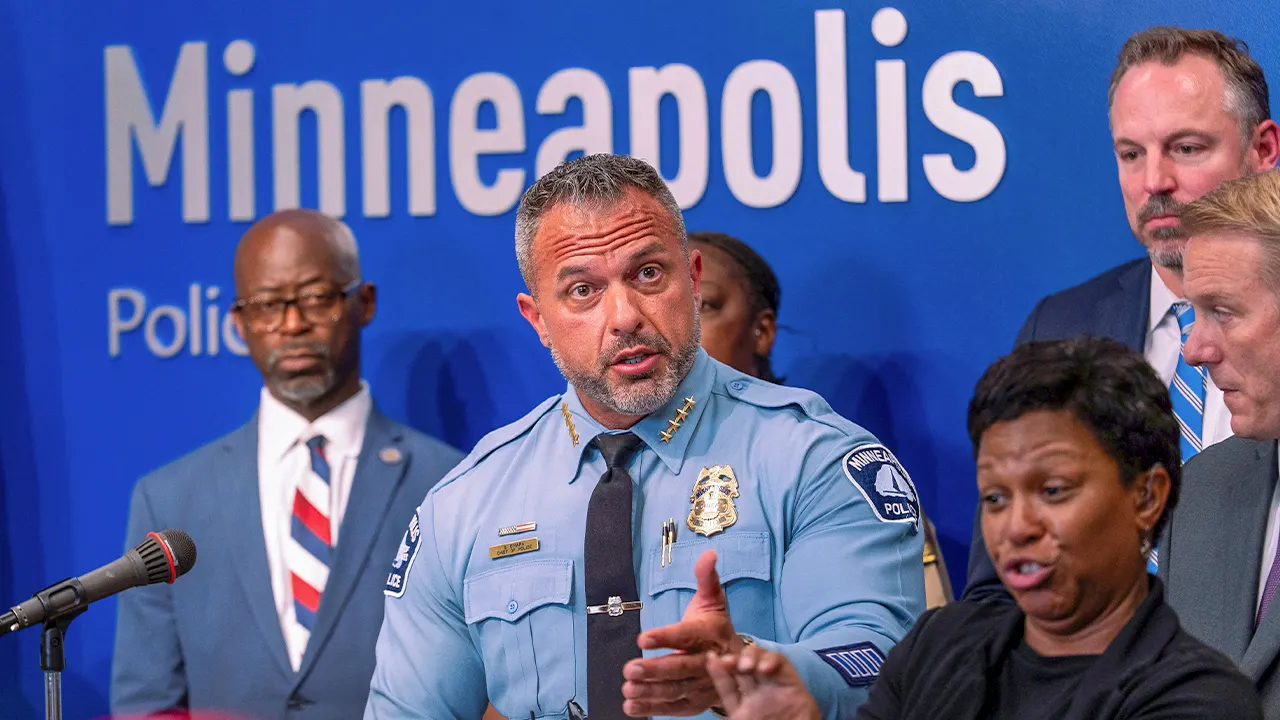
Minneapolis Police Chief Brian O’Hara issued a public apology Thursday to the Somali community following controversial remarks he made connecting “East African kids” to criminal activity in the city.
“The Somali community here in Minneapolis has been welcoming and has shown love towards me, and I appreciate it,” O’Hara said during a news conference. “Over the last three years we have been working together to try and address some of the real serious problems that we have in our community.”
The police chief acknowledged the need for honesty about community issues while expressing regret for any harm caused. “If people have taken anything that I have said out of context in a way that’s caused harm, I apologize, and I’m sorry for that because that’s not my intention at all,” he added.
The controversy stems from comments O’Hara made during a recent WCCO interview about a deadly Halloween shooting and ongoing juvenile crime issues. While discussing problems in the Dinkytown area, which has experienced assaults, robberies, shootings, and auto thefts, O’Hara stated the perpetrators were not “poor kids from Minneapolis” but rather “groups of East African kids that are coming from surrounding communities.”
He further claimed these young people take “mommy’s Mercedes-Benz to Dinkytown, and they don’t know where they are.” The remarks prompted a petition on Change.org demanding an apology, with petitioners arguing that Minneapolis’ East African community “has already been carrying the weight of unfair scrutiny for years” and that O’Hara’s comments would “deepen that burden.”
The controversy comes amid heightened national attention on Minnesota’s Somali community following a report by Ryan Thorpe and Christopher F. Rufo of the Manhattan Institute alleging that Minnesota taxpayer dollars have been funneled to Al-Shabaab, an al-Qaeda-linked terrorist organization in Somalia. According to the report, various fraud schemes involving the Somali community have diverted public funds that ultimately benefited the terrorist group.
In response to these allegations, President Donald Trump announced the termination of Temporary Protected Status (TPS) for Somalis in Minnesota. “Minnesota, under Governor Waltz, is a hub of fraudulent money laundering activity,” Trump wrote on Truth Social. “Somali gangs are terrorizing the people of that great State, and BILLIONS of dollars are missing. Send them back to where they came from.”
TPS, administered by the Department of Homeland Security, allows nationals of designated countries to remain in the United States if they cannot safely return to their home countries or if those countries cannot adequately handle their return. Currently, twelve countries, including Somalia, have TPS designation.
House Majority Whip Tom Emmer (R-Minn.) and other Minnesota Republican representatives have demanded an investigation into the alleged financial connections to terrorism. In a letter to U.S. Attorney for the District of Minnesota Daniel Rosen, they cited various fraud cases involving members of the Somali community, including the “Feeding our Future” scheme and fraud in several Minnesota social service programs.
“It is alleged that Minnesota’s Somali community, the largest in the nation, has been sending millions back to Somalia via the hawala network, an informal money trafficking network which is notorious for funds ending up in terrorist networks,” the letter states. The lawmakers expressed concern that “Minnesota taxpayer dollars are going straight into terrorists’ hands,” calling it “not only a serious betrayal of taxpayer trust, but also a grave threat to our national security.”
Minneapolis is home to one of the largest Somali communities in the United States, centered in the Cedar-Riverside neighborhood. The community has become increasingly significant both politically and culturally in Minnesota, while also facing scrutiny and challenges related to integration, security concerns, and cultural differences.
As these tensions continue to unfold, Chief O’Hara’s apology represents an attempt to rebuild trust with a community that finds itself at the center of national policy debates and local policing concerns.
Fact Checker
Verify the accuracy of this article using The Disinformation Commission analysis and real-time sources.

8 Comments
Connecting specific ethnic groups to crime is a sensitive topic that requires nuance and care. I hope the police and community can work together constructively on these complex challenges.
Agreed, open and respectful dialogue is key to finding solutions that address the root issues without unfairly targeting any group.
Addressing juvenile crime is important, but care must be taken to avoid singling out or stigmatizing any particular ethnic group. An inclusive, solutions-focused approach seems prudent here.
Juvenile crime is a serious concern, but making broad generalizations about Somali youth is unlikely to help and could further divide the community. A more balanced, community-oriented approach seems warranted.
It’s a delicate situation when crime issues intersect with cultural differences. The police chief’s apology seems sincere in trying to balance honesty and sensitivity.
It’s understandable the police chief wants to be honest about challenges, but the way he framed the issues risks perpetuating harmful stereotypes. Rebuilding trust will take sustained effort on all sides.
Absolutely. Focusing on shared goals of public safety and community wellbeing, rather than assigning blame, will likely yield better long-term results.
The police chief’s apology is a start, but real progress will require deeper engagement with the Somali community to understand their experiences and perspectives.