


Listen to the article
Maryland Lawmakers Override Governor’s Veto, Establish Slavery Reparations Commission
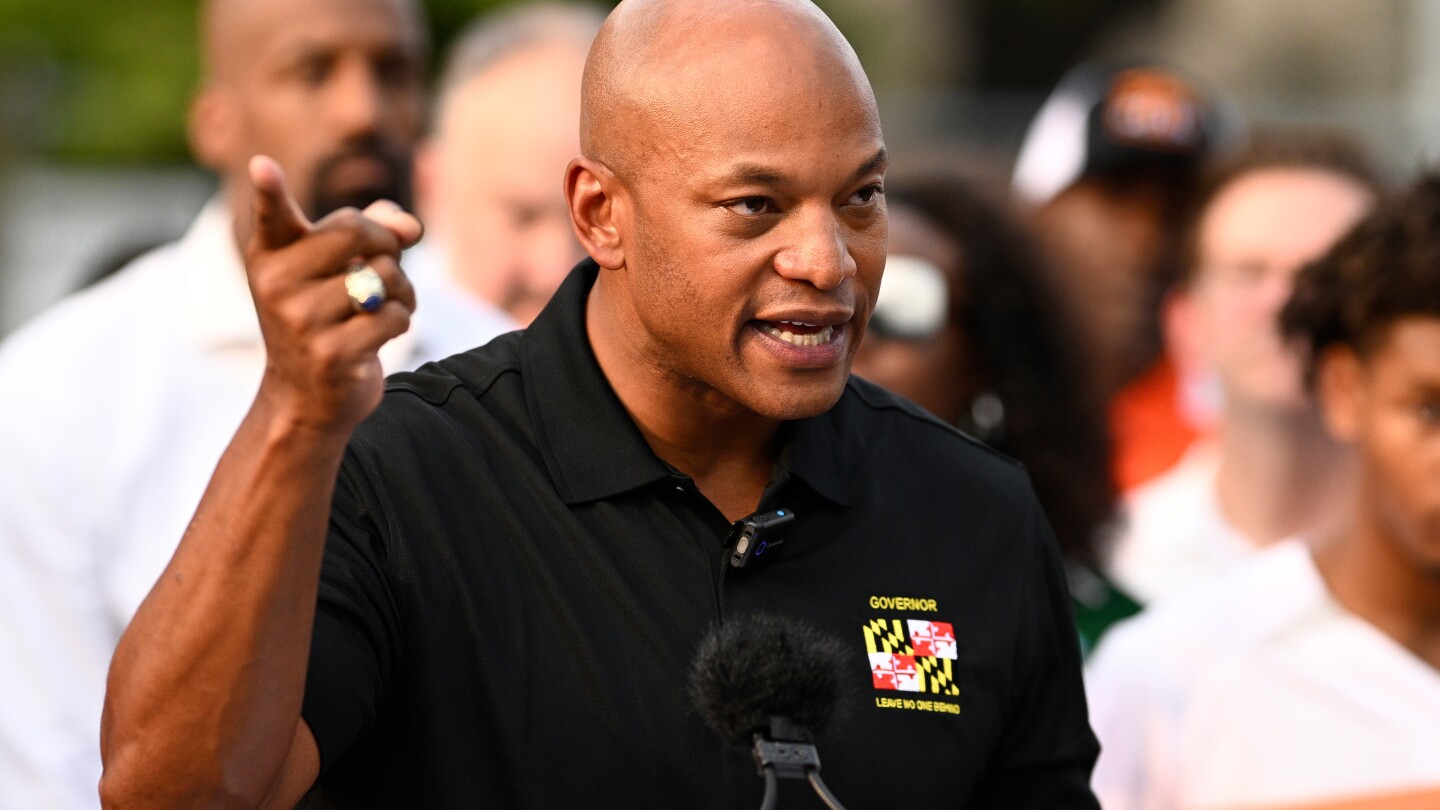
Maryland legislators voted Tuesday to override Governor Wes Moore’s veto of a bill establishing a commission to study potential reparations for slavery. The override marks a significant moment in the national conversation about addressing historical injustices and comes despite opposition from Moore, currently the only Black governor in the United States.
The commission will examine various forms of potential reparations, including official apologies, monetary compensation, property tax rebates, social service assistance, and business incentives. Other possibilities include down payment assistance for homes, childcare support, debt forgiveness, tuition payment waivers, and license fee waivers.
In his May veto letter, Moore expressed that while he supported addressing slavery’s legacy, he believed enough study had been conducted and it was time for action. “I believe the time for action is now – and we must continue moving forward with the work of repair immediately,” Moore said in a statement following the override vote.
Democratic lawmakers who control both chambers of the Maryland General Assembly disagreed with the governor’s approach, arguing that formal study was necessary to develop effective reparations programs.
“This topic isn’t easy, but, again, without formal study, reparations risk being dismissed as symbolic or unconstitutional, regardless of moral merit,” said Democratic State Senator Charles Sydnor during the debate.
The decision carries particular weight in Maryland, where approximately 30% of residents are Black – the highest percentage of any state outside the Deep South. This demographic reality adds urgency to addressing historical inequities stemming from slavery and its aftermath.
The state’s Legislative Black Caucus, which made the bill a priority, celebrated the override. “At a time of growing attacks on diversity and equity, today’s action reaffirms our shared commitment to truth-telling, accountability, and meaningful progress for Black Marylanders,” the caucus said in a statement.
The momentum for reparations gained significant traction following George Floyd’s murder by a Minneapolis police officer in 2020, which sparked nationwide protests and renewed conversations about systemic racism. However, reparations remain a politically challenging issue, particularly as conservative backlash grows against racial equity initiatives in public institutions.
Maryland joins several other jurisdictions exploring reparations. In California, Governor Gavin Newsom recently authorized $6 million for state universities to study how to verify descendancy from enslaved people, though he vetoed other related measures supported by California’s Legislative Black Caucus. Last year, New York City approved legislation to study its role in slavery and consider reparations, while Evanston, Illinois became the first U.S. city to implement a reparations plan in 2021, using tax revenue from recreational marijuana sales.
Public opinion on reparations remains divided. A 2021 Pew Research Center survey found approximately 30% of U.S. adults supported providing reparations such as land or money to descendants of enslaved people, while about 70% opposed such measures.
The creation of Maryland’s commission represents a significant step in the nationwide debate over how to acknowledge and address the continuing impact of slavery in American society. As the commission begins its work, it will likely face both support and criticism in an increasingly polarized political environment where discussions of race and history have become contentious.
Governor Moore, who has gained national attention as a potential future presidential candidate (though he has denied such plans), now faces the delicate task of working with legislators on an issue where they publicly disagreed. Following the override, he emphasized his commitment to partnering with lawmakers on the work ahead, especially for “communities that have been historically left behind.”
Fact Checker
Verify the accuracy of this article using The Disinformation Commission analysis and real-time sources.

10 Comments
Reparations are a complex and sensitive issue. It’s good to see Maryland taking steps to study the matter thoughtfully and consider various approaches to address historical injustices.
Agreed, this is an important discussion that deserves careful consideration of multiple perspectives.
Reparations are a complex issue with no easy answers. I’m glad to see Maryland taking a measured approach by establishing a commission to thoroughly examine the options.
Interesting to see the governor’s veto overridden on this. I’m curious to learn more about the specific proposals the commission will examine and how they aim to have a meaningful impact.
Yes, the range of potential reparations measures mentioned is quite broad. It will be important for the commission to evaluate the pros and cons of each approach.
I’m curious to see how the reparations commission’s findings and recommendations are received. This is an important but divisive issue that deserves thoughtful consideration.
The override vote shows the state legislature sees value in further study of reparations, despite the governor’s opposition. It will be interesting to follow this process and see what concrete proposals emerge.
Absolutely, the commission’s work could have significant implications for how Maryland addresses the legacy of slavery. I’ll be following this closely.
While the idea of reparations is controversial, I appreciate Maryland taking this step to study the issue more deeply. Addressing historical injustices is important, even if the solutions aren’t straightforward.
Agreed, this is a complex and sensitive topic. Thorough analysis and open dialogue will be crucial as the commission does its work.