


Listen to the article
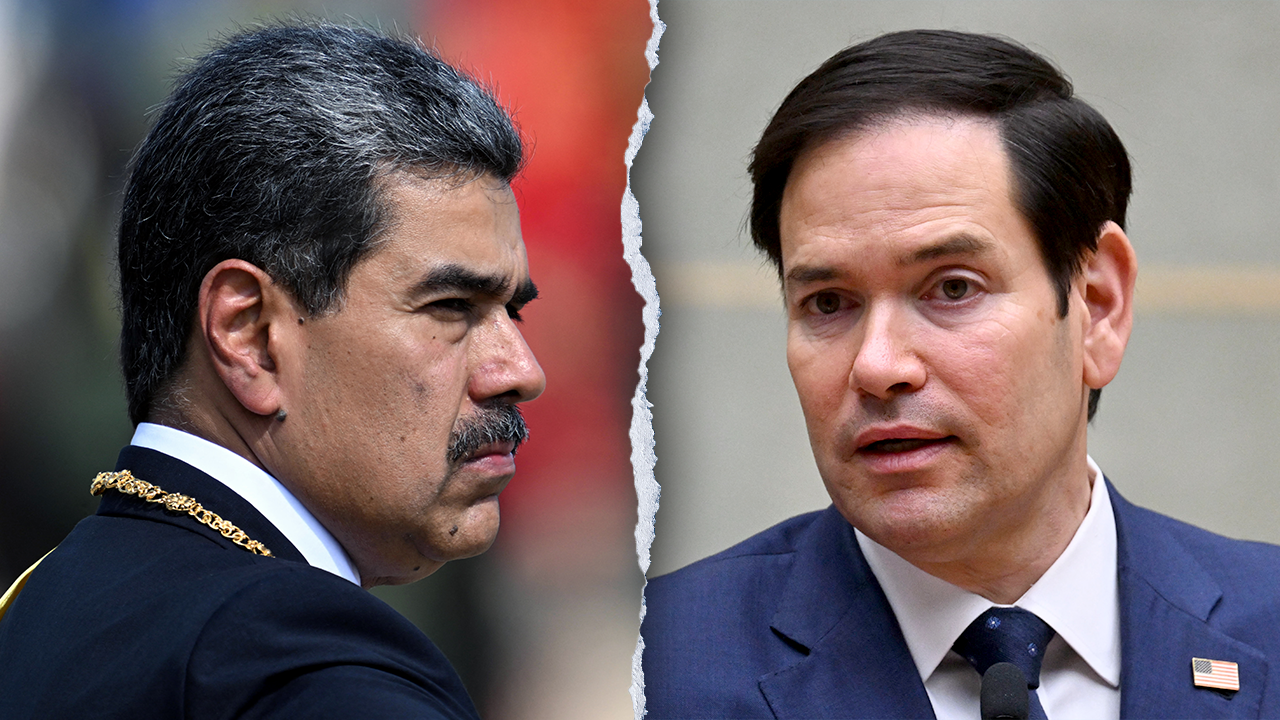
In a significant escalation of U.S. policy toward Venezuela, Secretary of State Marco Rubio announced Sunday that the Cartel de los Soles, a criminal organization allegedly led by Venezuelan President Nicolás Maduro, will be designated as a Foreign Terrorist Organization (FTO). The designation, set to take effect on November 24, marks a hardened stance that could potentially open the door to military action against the Maduro regime.
The State Department described the cartel as being “headed by Nicolás Maduro and other high-ranking individuals of the illegitimate Maduro regime who have corrupted Venezuela’s military, intelligence, legislature, and judiciary.” The statement emphasized that “Neither Maduro nor his cronies represent Venezuela’s legitimate government.”
According to U.S. officials, the criminal network operates in coordination with other terrorist organizations including Tren de Aragua and Mexico’s Sinaloa Cartel. Together, they are accused of perpetrating “terrorist violence across our hemisphere” and trafficking narcotics into the United States and Europe.
The FTO designation is being implemented under Section 219 of the Immigration and Nationality Act, which grants the State Department authority to officially label foreign entities engaged in terrorist activities. This designation expands upon previous sanctions imposed by the U.S. Treasury Department under Executive Order 13224, which targets terrorists and their supporters.
Rubio reinforced the announcement on social media platform X, stating that the cartel “has corrupted the institutions of government in Venezuela” while facilitating drug trafficking operations into the United States and European countries.
The timing of this announcement coincides with President Trump’s renewed emphasis on combating drug trafficking. Speaking to reporters Sunday evening, Trump declared, “We’re stopping drug dealers and drugs from coming into our country,” adding that he had instructed Rubio and other officials to inform Congress that the administration would not allow drugs to enter through Mexico or Venezuela.
When questioned whether the new terrorist designation would enable the U.S. to target Maduro’s assets or infrastructure, Trump confirmed: “It allows us to do that.” This acknowledgment suggests a potential expansion of U.S. operations against the Venezuelan government.
However, Trump also hinted at potential diplomatic engagement, revealing, “We may be having some discussions with Maduro, and we’ll see how that turns out. They would like to talk. We’ll see what happens.” This dual approach of pressure and potential dialogue indicates the complexity of the administration’s strategy toward Venezuela.
The designation represents the latest development in increasingly tense relations between Washington and Caracas. The United States has consistently refused to recognize Maduro’s presidency following disputed elections, instead backing opposition claims of electoral fraud. Economic sanctions have been a primary tool of U.S. policy toward Venezuela in recent years, but this FTO designation significantly raises the stakes.
Experts note that labeling the Cartel de los Soles as a terrorist organization effectively places Maduro himself in the crosshairs of U.S. counter-terrorism operations, given his alleged leadership role in the criminal network. This could potentially provide legal justification for more aggressive U.S. actions against the Venezuelan regime.
The move comes amid growing concerns about the humanitarian and security crisis in Venezuela, which has driven millions of citizens to flee the country in recent years. It also reflects the Trump administration’s broader focus on combating transnational criminal organizations and drug trafficking networks throughout Latin America.
Fact Checker
Verify the accuracy of this article using The Disinformation Commission analysis and real-time sources.

10 Comments
The involvement of the Cartel de los Soles with other terrorist organizations is very concerning. Designating them as an FTO is an acknowledgment of the broader regional security threat they pose. It will be important to monitor how this designation is implemented and what impact it has on their activities.
Absolutely. The regional implications are significant, as these criminal networks often operate across borders. Effective counterterrorism efforts will require close collaboration between U.S. and Latin American authorities.
I’m curious to see how this designation might impact Venezuela’s economy and political landscape. The Cartel de los Soles has been deeply embedded in the country’s institutions, so this could further destabilize the Maduro government. However, it also carries the risk of additional unrest and violence.
That’s an important consideration. Any actions targeting the cartel could have significant ripple effects on Venezuela’s already fragile economy and social fabric. Careful planning and execution will be crucial to mitigate potential consequences.
This is a significant escalation in U.S. policy toward Venezuela. Designating the Cartel de los Soles as a terrorist organization could open the door to more aggressive actions against the Maduro regime. It will be interesting to see how this unfolds and what the implications might be for the region.
You raise a good point. The FTO designation provides legal justification for potentially more severe measures, including military action. This could further destabilize an already volatile situation in Venezuela.
This move by the U.S. government reflects the seriousness with which they view the Cartel de los Soles and its links to the Maduro regime. It will be interesting to see how Venezuela responds and what strategies they may employ to counter the designation. The potential for further escalation is certainly there.
That’s a good point. The Maduro government is likely to push back against this designation, which could lead to increased tensions and potentially even retaliation. Navigating this delicate situation will require careful diplomacy and a clear understanding of the regional dynamics.
The links between the Cartel de los Soles, other criminal groups, and the Maduro regime are deeply concerning. Designating them as a terrorist organization is an acknowledgment of the threat they pose to regional security and the flow of narcotics into the U.S. and Europe.
Agreed, the transnational nature of these criminal networks highlights the complexity of the challenge. Disrupting their operations will require close coordination between U.S. agencies and their international partners.