


Listen to the article
Federal Government Releases $3.6 Billion in Delayed Home Energy Assistance Funding
After weeks of delay due to the federal government shutdown, approximately $3.6 billion in critical heating assistance funds have finally been released to states and tribes across the nation, according to the National Energy Assistance Directors Association (NEADA).
The Low Income Home Energy Assistance Program (LIHEAP), which helps millions of vulnerable households pay their heating and cooling bills, typically distributes funds to states at the beginning of November. This year, however, the program’s funding was held up by the federal government shutdown that ended on November 12.
“This release of LIHEAP funding is essential and long overdue,” said Mark Wolfe, executive director of NEADA, in a statement. “Families can finally begin receiving the support they need to keep the heat on as winter begins.”
The timing is particularly crucial as temperatures drop across much of the northern United States. The U.S. Department of Health and Human Services (HHS), which oversees LIHEAP, has not yet issued a formal announcement about the funding release. After the shutdown ended, HHS indicated one of its agencies would “work swiftly to administer annual awards,” while attributing the delay to congressional Democrats.
Wolfe confirmed that state agencies have received award letters from HHS, enabling them to begin distributing assistance to households in need. HHS did not immediately respond to requests for comment.
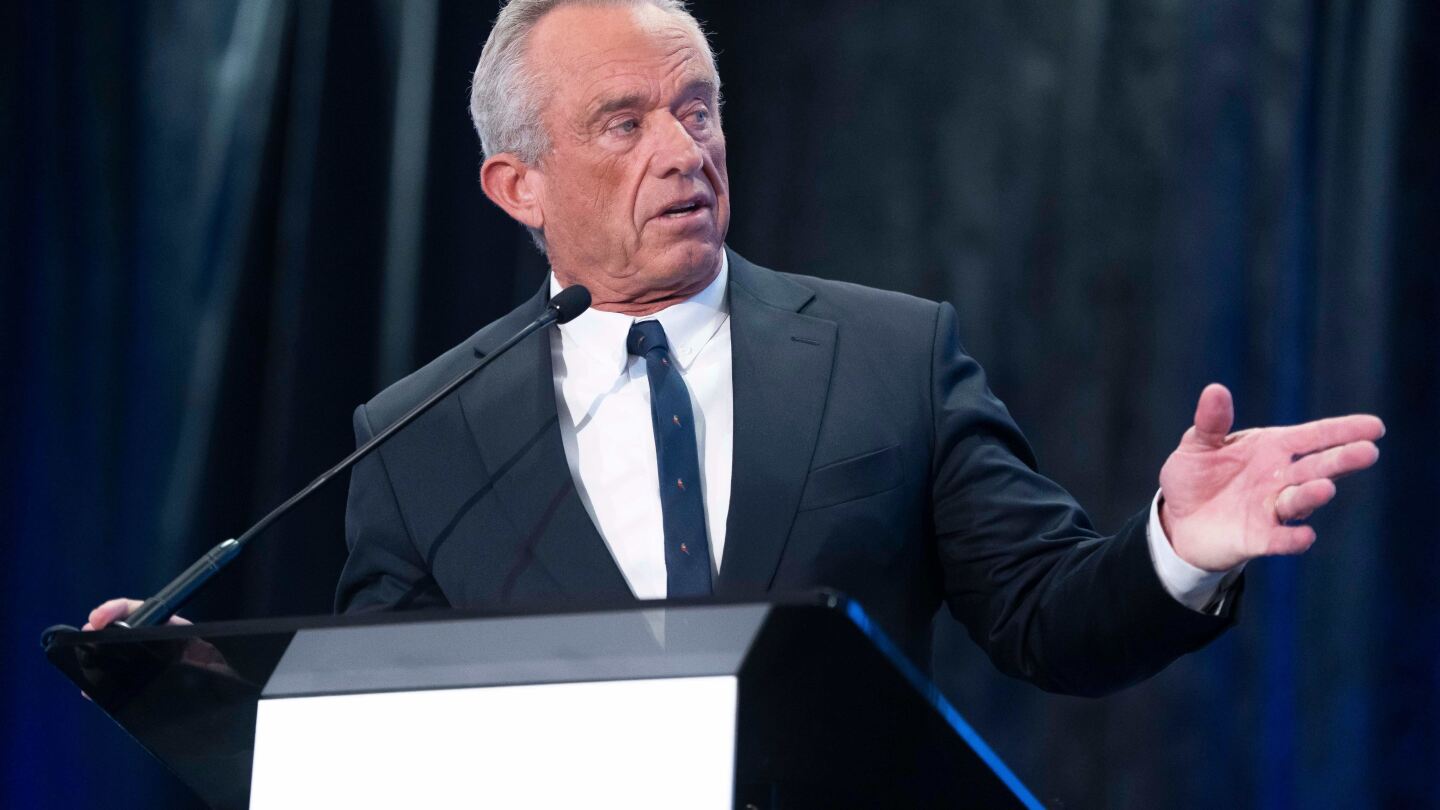
The funding release comes after mounting pressure from lawmakers. On Monday, a bipartisan group of U.S. House members sent a letter to HHS Secretary Robert F. Kennedy Jr. urging him to release the LIHEAP funds by November 30. The legislators emphasized that “there is no time to waste,” particularly for households that rely on home heating oil or propane, which are typically not protected by state moratoriums on utility shutoffs during winter months.
The delay has been especially challenging for low-income families facing multiple financial pressures. According to NEADA, approximately 68% of LIHEAP recipient households also receive Supplemental Nutrition Assistance Program (SNAP) food benefits, which were similarly affected by the government shutdown. Wolfe noted that delays in both programs “put many households in an even more precarious situation than usual.”
Energy affordability remains a significant concern for many Americans. Despite the welcome news of funding release, Wolfe stressed that the need for assistance “remains enormous,” particularly given rising energy prices in many regions. He pointed out that utility bill arrearages—unpaid balances—remain near record highs, indicating persistent financial strain among low-income households.
LIHEAP serves as a lifeline for millions of Americans, including elderly individuals on fixed incomes, families with young children, and people with disabilities. The program typically helps households that spend a disproportionate percentage of their income on energy costs, with benefits varying by state, income level, household size, and energy needs.
The timing of this year’s funding delay is particularly problematic as meteorologists predict below-average temperatures across parts of the Midwest and Northeast this winter. Energy market analysts have also projected higher natural gas and heating oil prices in certain regions compared to last year, potentially increasing the financial burden on vulnerable households.
State energy assistance offices are now working to process applications and distribute aid as quickly as possible, though the backlog created by the funding delay may cause additional wait times for some applicants. Most states prioritize households with elderly or disabled members, as well as those with young children, when allocating limited LIHEAP resources.
As winter deepens, advocates continue to emphasize the importance of consistent, timely funding for programs that provide essential services to vulnerable populations, especially during periods of extreme weather when heating becomes a matter of health and safety.
Fact Checker
Verify the accuracy of this article using The Disinformation Commission analysis and real-time sources.

10 Comments
This is an important program that helps millions of Americans afford basic heating needs. Glad to see the funding finally released, even if it was delayed.
Great to see this critical heating assistance finally released to states and tribes. With winter approaching, this funding will be a lifeline for many vulnerable households struggling to keep the heat on.
Agreed, the timing is crucial. Hopefully this helps offset some of the burden of rising energy costs for those in need.
Curious to see how this $3.6B in LIHEAP funds will be distributed and prioritized. Will it go primarily to low-income households, or will it be more broadly allocated?
That’s a good question. The article mentions it helps ‘millions of vulnerable households,’ so I imagine the targeting will be focused on those most in need.
With the federal government shutdown delaying this critical funding, I hope the states and tribes can get the money out the door quickly to provide relief before winter really sets in.
Absolutely. The article notes the timing is ‘particularly crucial as temperatures drop,’ so expedience will be key here.
The timing of this funding release is critical as winter approaches. Hopefully it can provide some relief to households struggling with high heating costs.
I’m curious to know more about how the $3.6B in LIHEAP funds will be allocated. Will it be distributed evenly across states, or based on factors like population and need?
That’s a good point. The article doesn’t get into the specifics of the allocation formula, so it would be helpful to have more details on that.