


Listen to the article
Democratic lawmakers are raising serious constitutional concerns over a U.S. Border Patrol surveillance program that tracks drivers’ movements across the country using license plate readers and predictive algorithms.
Massachusetts Senator Ed Markey sent a letter Monday to Customs and Border Protection (CBP), Border Patrol’s parent agency, describing the license plate reader program as an “invasive surveillance network” that threatens privacy and civil liberties. Markey compared the surveillance tactics to those employed by authoritarian regimes like China.
“Without transparency, accountability, and clear limitations, these practices erode fundamental individual rights and set a dangerous precedent for unchecked government power,” Markey wrote, requesting detailed information about the program’s operations.
The concerns follow an Associated Press investigation that revealed Border Patrol has been operating a nationwide surveillance system monitoring millions of American drivers. The program uses algorithms to flag vehicles based on travel patterns deemed suspicious, leading to stops, searches, and sometimes arrests.
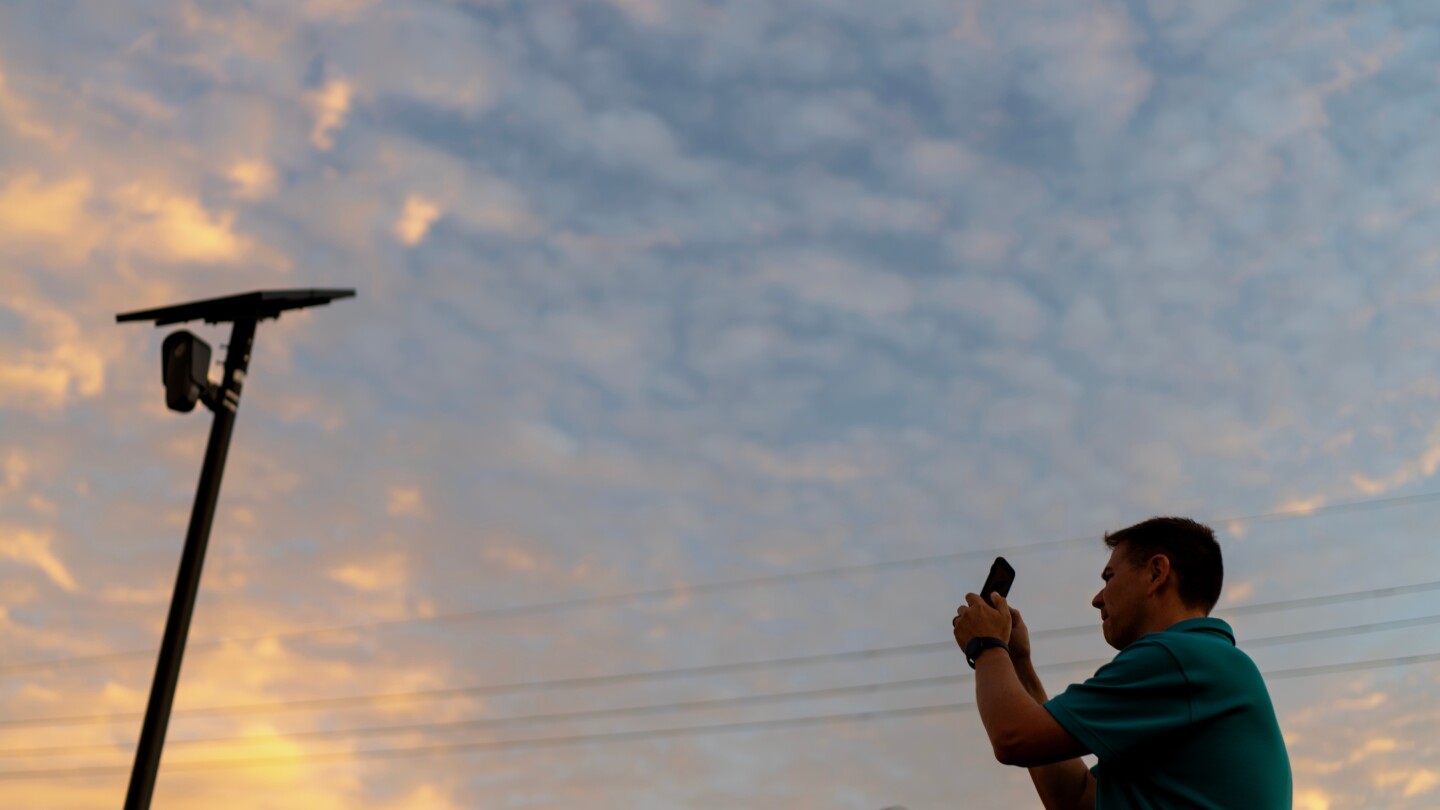
The investigation found Border Patrol sometimes concealed license plate readers in regular traffic equipment while also accessing plate data collected by other law enforcement agencies and private companies. The program spans multiple presidential administrations from both political parties.
The surveillance system works by scanning and recording license plate information, with software analyzing travel routes and destinations to identify suspicious patterns. When the system flags a vehicle, federal agents sometimes coordinate with local law enforcement to initiate traffic stops for minor infractions like speeding or improper lane changes.
Legal experts note that while courts have generally permitted license plate scanning on public roads, they have restricted warrantless government tracking through other persistent surveillance methods like GPS devices or cell phone location data. Civil liberties advocates increasingly argue that large-scale license plate data collection systems potentially violate Fourth Amendment protections against unreasonable searches.
“Increasingly, courts have recognized that the use of surveillance technologies can violate the Fourth Amendment’s protections against unreasonable searches and seizures,” Markey stated in his letter. “Although this area of law is still developing, the use of LPRs and predictive algorithms to track and flag individuals’ movements represents the type of sweeping surveillance that should raise constitutional concerns.”
Other Democratic legislators have voiced similar apprehensions. Representative Dan Goldman of New York, a member of the House Homeland Security Committee, questioned on social media how the program aligns with constitutional protections. “If CBP is secretly tracking millions of Americans’ travel patterns and detaining people based on an algorithm, not warrants or evidence, how is that consistent with the Fourth Amendment?” Goldman wrote. “Driving isn’t probable cause. Congress needs full transparency on this program immediately.”
Senator Mark Warner of Virginia, who chairs the Senate Intelligence Committee, expressed particular concern about the program’s impact during the holiday travel season. “As Americans across the nation hit the road this holiday season, they shouldn’t have to worry that their travel might make them a target for law enforcement or open them up to undue questioning about their movements, activities, and relationships,” Warner said.
CBP did not immediately respond to requests for comment on the lawmakers’ concerns. The agency has previously defended its use of license plate readers, stating the technology operates within “a stringent, multi-layered policy framework, as well as federal law and constitutional protections.” CBP maintains the surveillance is applied responsibly and exclusively for clearly defined security purposes.
The growing scrutiny of the Border Patrol surveillance program highlights the tension between national security interests and constitutional privacy protections as technology enables increasingly sophisticated tracking of Americans’ movements. As more details emerge about the program’s scope and operations, the debate about appropriate limits on government surveillance is likely to intensify both in Congress and the courts.
Fact Checker
Verify the accuracy of this article using The Disinformation Commission analysis and real-time sources.

10 Comments
I’m glad to see lawmakers taking a close look at the legality and ethics of this license plate reader program. Using predictive algorithms to target and monitor citizens is a dangerous path towards a surveillance state. There need to be clear limits and safeguards in place.
Whoa, this is some really concerning stuff about Border Patrol’s broad surveillance network. Flagging ‘suspicious’ travel patterns and conducting stops and searches based on algorithms? That’s a scary slippery slope towards authoritarianism. Lawmakers are right to demand answers.
This license plate reader program by Border Patrol seems quite troubling. Comparing it to authoritarian surveillance tactics in China is a serious allegation. Lawmakers are right to push for more transparency and to question whether this violates constitutional rights.
This license plate reader program sounds like a massive violation of privacy and civil liberties. Using predictive algorithms to target and monitor citizens’ movements is a dangerous and undemocratic tactic. Lawmakers must take swift action to shut this down.
Wow, this is really troubling stuff about Border Patrol’s sweeping license plate reader program. Flagging ‘suspicious’ travel patterns and conducting stops and searches based on algorithms is a major civil liberties violation. Lawmakers are right to demand a full investigation and overhaul of this program.
Lawmakers are absolutely right to be up in arms about this license plate reader program. Broad, warrantless surveillance of citizens’ movements is a massive violation of privacy and civil liberties. There need to be immediate and significant restrictions put in place.
This license plate reader program by Border Patrol raises serious privacy concerns. Tracking drivers’ movements without clear oversight or limitations seems like an overreach of government power. Lawmakers are right to demand more transparency about how this system operates.
I’m not surprised to see this kind of overreach from Border Patrol. Their tactics often seem to prioritize security theater over civil liberties. This license plate reader program needs to be reined in with clear legal boundaries and strict oversight.
Comparing this Border Patrol surveillance to authoritarian tactics in China is a very serious allegation. But given the program’s lack of transparency and accountability, it does seem to be overstepping critical boundaries. Lawmakers need to get to the bottom of this.
Concerning that Border Patrol has been using algorithms to flag ‘suspicious’ travel patterns and conduct stops and searches. This smacks of overreach and potential abuse. There needs to be much stricter oversight and accountability for this kind of broad surveillance.