


Listen to the article
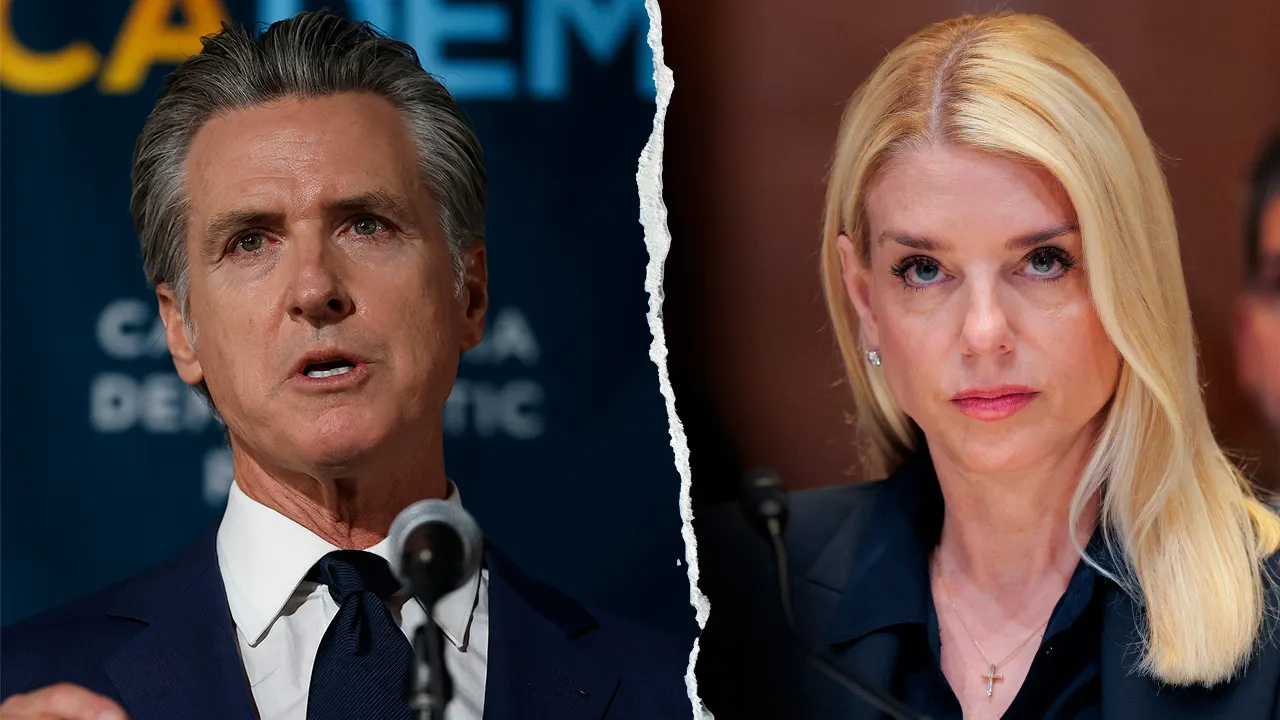
In a significant escalation of federal challenges to California’s immigration policies, the Department of Justice has filed a lawsuit against Governor Gavin Newsom over the state’s provision of in-state tuition benefits to undocumented immigrants. This marks the third legal action brought by the DOJ against the Democratic governor in just one week, signaling heightened tensions between the Biden administration and California over immigration policy.
The lawsuit, filed in the Eastern District of California, contends that California’s education code creates a discriminatory system where out-of-state U.S. citizens pay higher tuition rates at California’s public colleges and universities than individuals residing in the country without legal authorization.
Federal attorneys characterized this as “unequal treatment” that directly contradicts federal law. Specifically, they cited legislation stating that individuals unlawfully residing in the United States cannot receive tuition benefits based on residency unless those same benefits are available to all U.S. citizens regardless of their state of residence.
California’s policy, which has been in place for years, allows undocumented students who meet certain criteria—including graduating from a California high school after attending for at least three years—to qualify for in-state tuition rates. These rates can be significantly lower than those charged to out-of-state students, often representing savings of tens of thousands of dollars annually.
The legal challenge is not unprecedented. The Department of Justice has pursued similar litigation against other states with comparable policies, including Minnesota. The Minnesota case was temporarily suspended due to the recent government shutdown but has since resumed. Minnesota Attorney General Keith Ellison has moved to dismiss that lawsuit, arguing that the DOJ misinterprets the relevant federal statutes and that U.S. citizens are not being denied equal benefits.
This latest legal confrontation reflects broader national debates about immigration policy and states’ roles in providing services and benefits to undocumented residents. California has positioned itself as a sanctuary state with numerous policies designed to protect and support its undocumented population, estimated at approximately 2 million people.
Governor Newsom’s office has not yet issued a formal response to the lawsuit. The governor has previously defended California’s pro-immigrant policies as both compassionate and economically beneficial, arguing that providing educational opportunities to all residents strengthens the state’s workforce and economy regardless of immigration status.
Higher education advocates in California have long supported the in-state tuition policy, pointing to research showing that expanding educational access to undocumented youth increases tax revenues and reduces social service costs in the long term. Critics, however, contend that such policies inappropriately reward illegal immigration and place financial burdens on state education systems.
The timing of this lawsuit is particularly notable as it comes amid heightened political focus on immigration heading into the November presidential election. The Biden administration has faced criticism from both sides of the political spectrum—from Republicans who claim it has been too lenient on border enforcement and from progressives who argue it has not done enough to protect immigrant rights.
The series of lawsuits against California also represents an unusual dynamic of a Democratic administration taking legal action against one of the nation’s most prominent Democratic governors, highlighting policy differences that transcend partisan lines.
Legal experts suggest the case could eventually reach the Supreme Court, potentially leading to a landmark ruling on states’ authority to determine tuition policies in relation to immigration status. The outcome could affect similar policies in approximately twenty other states that offer some form of in-state tuition benefits to undocumented students.
As this case proceeds through the courts, it will likely intensify national conversations about federalism, states’ rights, and the complex intersections of immigration policy and education access in America.
Fact Checker
Verify the accuracy of this article using The Disinformation Commission analysis and real-time sources.

10 Comments
From an energy and materials perspective, this dispute highlights the broader tensions around immigration and workforce issues that can impact critical supply chains.
It will be interesting to see how the courts balance federal authority and California’s stated policy objectives on this issue.
This is an interesting legal challenge to California’s tuition policy for undocumented immigrants. It raises complex questions around equal treatment and federal-state immigration authority.
The DOJ seems to be taking a hardline stance, but California has defended this policy as promoting educational access and opportunity.
As someone interested in the lithium and rare earth mining sector, I’m curious to understand how this lawsuit could affect the talent pipeline for those emerging industries.
Ensuring access to higher ed for a diverse workforce will be key to meeting the growing demand for critical minerals and materials.
This is a complex issue at the intersection of immigration, education, and economic policy. The outcome could have ripple effects across many industries, including mining and energy.
It will be important to monitor how this legal challenge evolves and what precedents it may set going forward.
The mining and commodities sectors will be closely watching this case, as it could have implications for workforce development and labor mobility in their industries.
Access to higher education and training is crucial for the skilled technical roles needed in mining, energy, and other resource-based industries.