


Listen to the article
Judge Questions Legal Basis for Salvadoran Migrant’s Deportation in Ongoing Case
In a contentious court hearing in Greenbelt, Maryland on Thursday, U.S. District Judge Paula Xinis expressed frustration over the Trump administration’s attempts to deport Salvadoran migrant Kilmar Abrego Garcia to Liberia without proper documentation. The case, which has garnered international attention over the past nine months, hinges on whether the government has obtained a final order of removal—a document Judge Xinis repeatedly sought but was unable to verify during the proceedings.
“I want us to be clear,” Judge Xinis stated during the hearing. “I am just interested in finding the notice of removal.” Without this crucial document, she indicated that Abrego Garcia would “at a minimum” be entitled to relief under Supreme Court precedent established in Zadvydas v. Davis, which prohibits the indefinite detention of migrants after removal issues have been ordered.
The hearing ended with little resolution, prompting Judge Xinis to characterize the day’s proceedings as “a zero in my view,” reflecting her apparent exasperation with the lack of concrete answers from government attorneys.
Justice Department lawyers had requested that Judge Xinis dissolve an emergency order from August that mandated Abrego Garcia remain in U.S. immigration custody. They indicated their intention to immediately deport him to Liberia once the order was lifted. This follows previous unsuccessful attempts to remove Abrego Garcia to Eswatini, Uganda, and briefly to Ghana.
A significant point of contention arose regarding Costa Rica, which had previously offered to grant Abrego Garcia legal status and promised not to return him to El Salvador. Judge Xinis questioned why this option was no longer being pursued.
“You’re saying Costa Rica has now rescinded their offer to Abrego Garcia,” she noted. “But that’s in the offer, it’s on the record, it wasn’t conditional. That’s what I don’t understand.” She added, “And if you are saying that… I’d love to see the evidence, so that I can rest assured this is not just an empty ‘word salad’ of an affidavit.”
When Justice Department lawyer Drew Ensign suggested an immigration judge had “meant” to issue the order of removal, Judge Xinis responded firmly: “This doesn’t look anything like a final order of removal. It’s not even close.”
The judge also criticized the Justice Department for failing to produce a witness who could testify “with knowledge of the case” regarding the government’s plans to deport Abrego Garcia to Liberia and explain why the African nation had only provided temporary assurances to accept him.
Before concluding the hearing, Judge Xinis announced that she considers the record “closed” and will issue a ruling in the coming days. She suggested that if she finds a final removal order doesn’t exist, “then we are done,” which could potentially allow Abrego Garcia to remain in the U.S. with his brother pending trial in his criminal case in Nashville.
This ruling would also enable Abrego Garcia to participate in a two-day evidentiary hearing scheduled for next month in Tennessee, focused on his motion to dismiss the case against him for what his lawyers characterize as “vindictive” and selective prosecution.
The Justice Department is expected to seek relief from a higher court if Judge Xinis orders Abrego Garcia’s release, ensuring this complex case will continue to wind through the legal system.
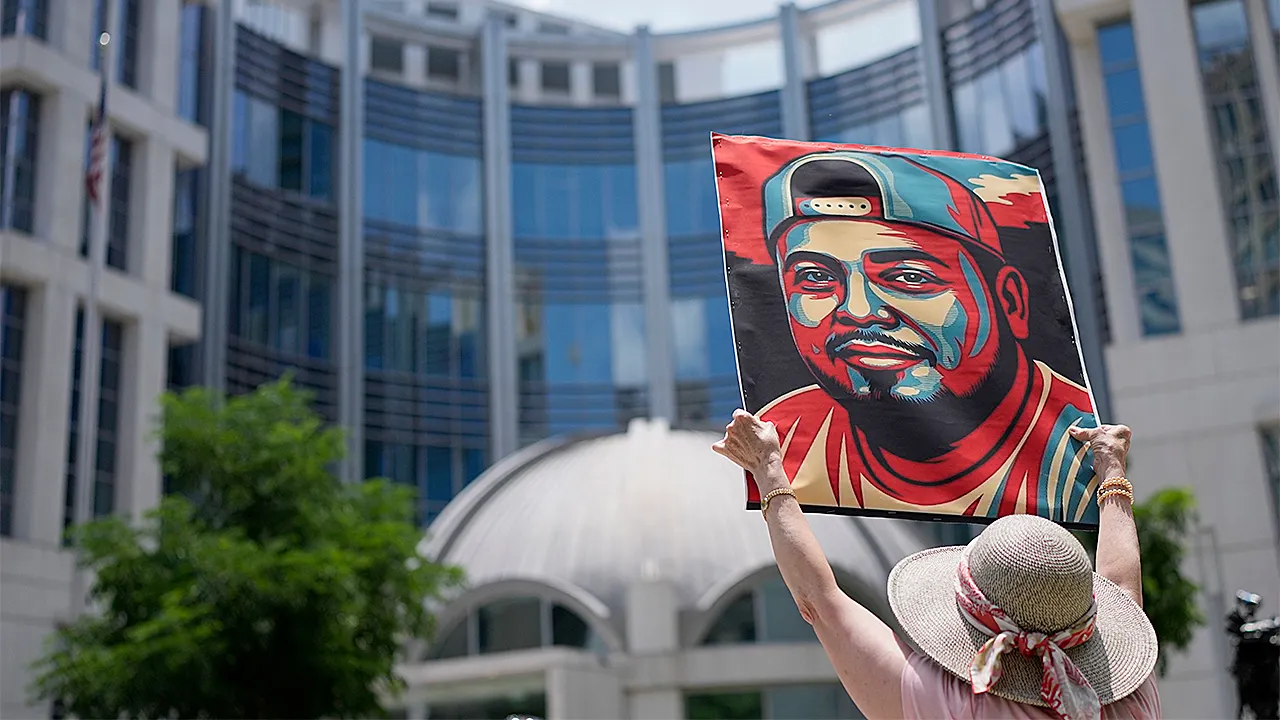
The Abrego Garcia case has become emblematic of broader tensions surrounding immigration policy under the Trump administration, with protests organized in support of the Salvadoran migrant whose legal saga began when he was erroneously deported to El Salvador in March in what officials described as an “administrative error.”
Fact Checker
Verify the accuracy of this article using The Disinformation Commission analysis and real-time sources.

8 Comments
The legal questions around deportation orders and migrant detention are always contentious. I hope this case leads to greater clarity and consistency in how these issues are handled, to protect the rights of all parties involved.
Agreed. Upholding the rule of law and due process is critical, regardless of one’s political leanings on immigration policy.
This case seems to raise important questions about the legal procedures governing deportation orders. I’m curious to learn more about the specific arguments made by the judge and the government attorneys, and how this case may set precedents for similar situations going forward.
Yes, the judge’s frustration with the lack of clear documentation is understandable. Establishing the proper legal basis for removal orders is critical to ensuring due process and upholding established precedents.
The mining and energy sectors will be watching this case closely, as it could have implications for the legal status of migrant workers in those industries. I wonder if there are any specific concerns or perspectives that industry groups have shared on this matter.
Good point. The availability of migrant labor is an important factor in the profitability and operations of many mining and energy companies. The outcome of this case could influence how they approach hiring and workforce management going forward.
This seems like a complex and nuanced case, with the judge clearly wanting to ensure the proper procedures are followed. It will be interesting to see how it evolves and whether the administration is able to provide the documentation the judge is seeking.
As someone who follows commodity markets and energy policy, I’m curious to see if this case has any direct impacts on things like mining permits, energy project approvals, or the employment of foreign workers in these sectors. It’s an issue worth tracking.