


Listen to the article
Federal Judge Demands Details on Planned Release of Ghislaine Maxwell Case Records
A federal judge in Manhattan has ordered the Justice Department to provide specific information about which materials it intends to publicly release from Ghislaine Maxwell’s sex trafficking case, as part of a broader effort to unseal records related to Jeffrey Epstein.
Judge Paul A. Engelmayer on Tuesday directed government lawyers to submit a detailed letter by noon Wednesday describing the materials they want to make public. The judge specified that the description must be detailed enough to “meaningfully inform victims” about what could be released.
The order came in response to the Justice Department’s Monday request for permission to release grand jury records, exhibits, and discovery materials from Maxwell’s case. These documents have been subject to secrecy orders since the proceedings began.
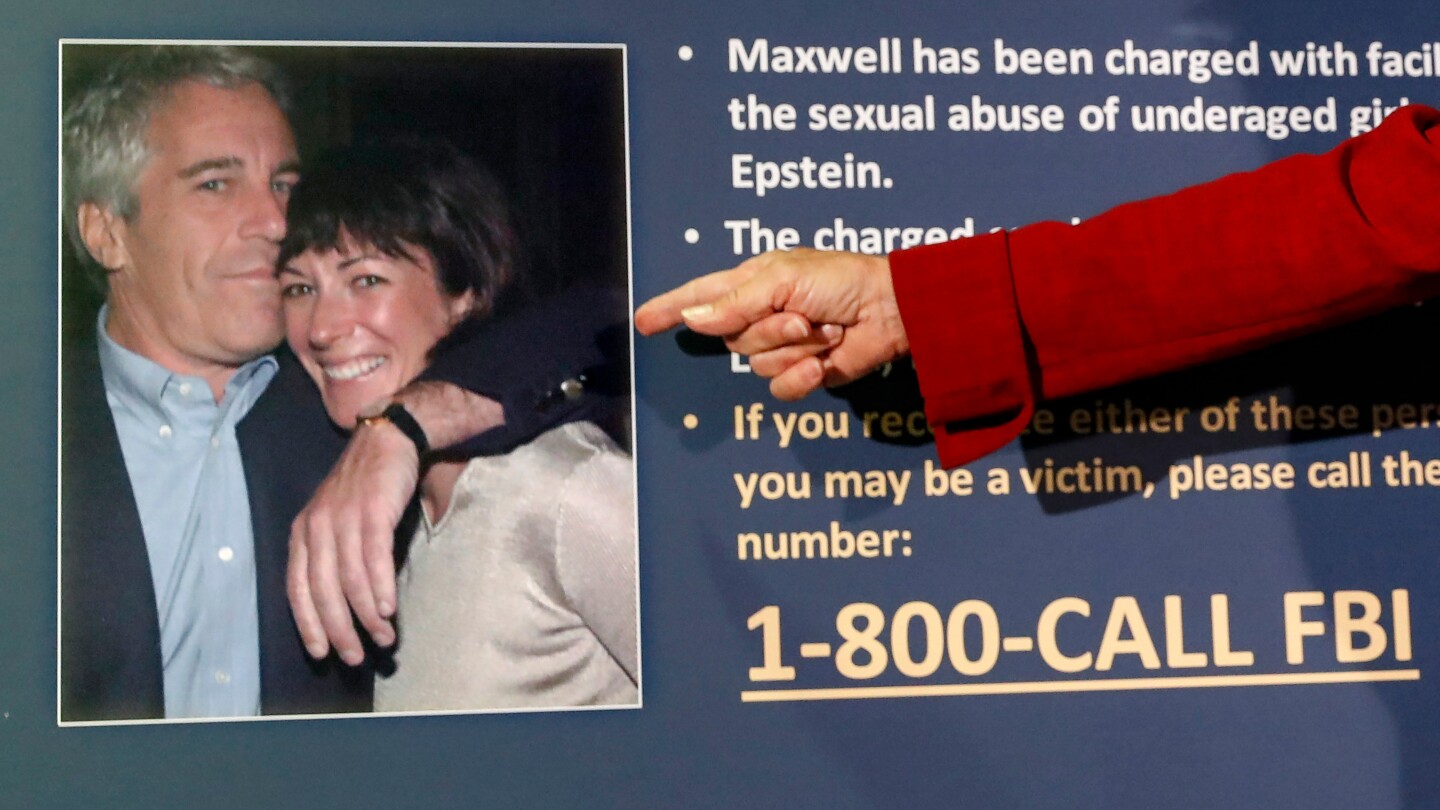
Maxwell, a British socialite and longtime associate of Epstein, was convicted in 2021 of sex trafficking for helping recruit underage victims for the disgraced financier. She is currently serving a 20-year prison sentence. Epstein, who was known for his connections to celebrities, politicians, billionaires, and academic elites, died by suicide in jail in August 2019, a month after his arrest.
The Justice Department’s request to unseal the Maxwell case records represents one of the first public steps toward implementing the recently passed Epstein Files Transparency Act. The legislation, signed into law last week by President Joe Biden, mandates the release of grand jury and discovery materials related to Epstein’s case in a searchable format by December 19.
Discovery materials currently under secrecy orders likely include victim interviews and other sensitive information that was previously accessible only to attorneys and Maxwell before her trial. The release would represent an unprecedented level of transparency in a case that has captured international attention due to Epstein and Maxwell’s connections to powerful figures around the world.
Judge Engelmayer has established a timeline for considering the request. Maxwell and victims of both Maxwell and Epstein have until December 3 to respond to the government’s unsealing request. The Justice Department must then reply to those submissions by December 10, after which the judge promised to rule “promptly.”
Though Engelmayer did not oversee Maxwell’s trial, he was assigned to the case after the original trial judge, Alison J. Nathan, was elevated to the 2nd U.S. Circuit Court of Appeals.
In a parallel development, Judge Richard M. Berman, who presided over Epstein’s case before his death, issued a similar order on Tuesday. He is allowing victims and Epstein’s estate to respond to the Justice Department’s unsealing request by December 3, with the government able to reply by December 8. Berman stated he would make his “best efforts to resolve this motion promptly.”
The potential release of these documents has significant implications for ongoing investigations and civil cases related to Epstein’s activities. Legal experts suggest the materials could provide new insights into the extent of Epstein’s trafficking network and potentially reveal previously unknown connections to other individuals.
Victims’ rights advocates have long pushed for greater transparency in the Epstein case, arguing that the full scope of his crimes has been obscured by secretive legal proceedings and settlement agreements that included confidentiality provisions.
Neither lawyers representing the victims nor a spokesperson for federal prosecutors provided immediate comment on the latest developments.
The Justice Department’s move to unseal these records represents one of the most significant developments in the ongoing fallout from the Epstein scandal, which has continued to reverberate through legal, political, and social circles years after his death.
Fact Checker
Verify the accuracy of this article using The Disinformation Commission analysis and real-time sources.

9 Comments
It will be interesting to see how the DOJ responds to the judge’s order. Providing a detailed description of the materials they want to release could help build public trust in the process.
This is a significant development in the ongoing Ghislaine Maxwell case. It’s good to see the judge demanding transparency and requiring the DOJ to detail what materials they plan to release. Victims deserve to know what information will become public.
The judge’s order for a detailed account of the planned releases is a prudent step. The public has a right to information, but the victims’ needs and privacy should be the top priority here.
This is a complex and sensitive case, so I’m glad the judge is taking a careful, measured approach. Transparency is important, but it must be balanced against the wellbeing of the victims.
The judge’s order seems like a reasonable compromise – allow for transparency, but ensure victims are informed and their privacy is protected. It will be informative to see the DOJ’s detailed response.
Curious to see what specific materials the DOJ plans to release and how detailed their description will be. This could shed more light on the Epstein-Maxwell web of connections and alleged crimes.
Releasing grand jury records and trial exhibits could provide valuable insight into the case, but the judge is right to prioritize informing the victims first. Transparency is important, but victims’ wellbeing must come first.
This is an important development in the ongoing efforts to uncover the full truth about Epstein and Maxwell’s alleged crimes. Victims deserve justice and the public deserves transparency, but it must be handled responsibly.
The public deserves to have access to as much information as possible about this high-profile case, while also respecting the privacy and safety of the victims involved. It will be interesting to see what the DOJ deems appropriate to release.