


Listen to the article
Educational Background of Alleged White House Correspondents’ Dinner Shooter Raises Questions About Campus Politics
The educational background of Cole Allen, the man accused of attempting a shooting at the White House Correspondents’ Dinner, has ignited fresh scrutiny about political climates on college campuses and potential radicalization within academic institutions.
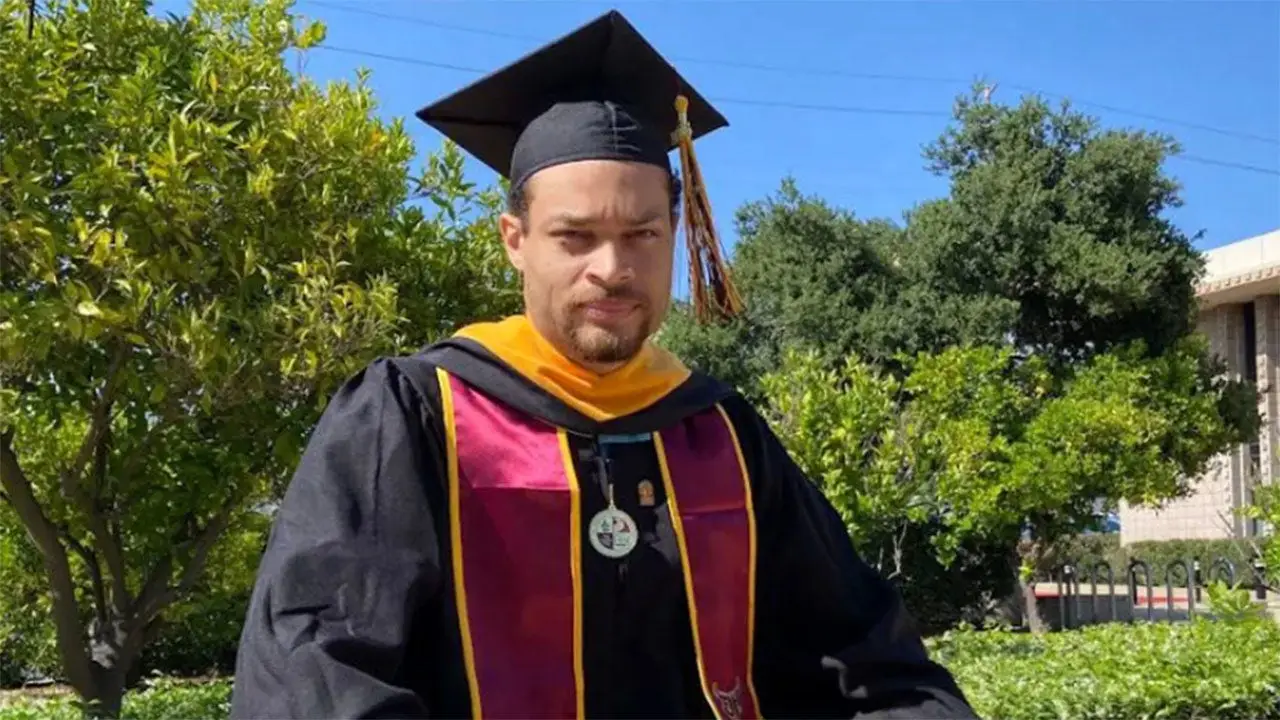
Allen graduated from Cal State University Dominguez Hills (CSUDH) with a master’s degree in computer science in May 2025, following earlier studies at the prestigious California Institute of Technology (Caltech), where he earned a bachelor’s degree in mechanical engineering in 2017.
Multiple CSUDH employees, speaking anonymously to protect themselves from potential retaliation, described a campus environment they characterized as dominated by far-left ideology with limited tolerance for divergent viewpoints.
“I was not shocked,” one employee said regarding Allen’s connection to the university. “Campus policy treats ICE like it is an invading army. There is constant talk of ‘the community under threat.'”
Another employee noted that while professors promoting political activism might not represent the majority at CSUDH, they maintain high visibility and institutional support. The employee cited the university’s maintenance of three separate ethnic studies departments despite financial challenges and low enrollment numbers, suggesting prioritization of certain ideological frameworks over fiscal considerations.
Thomas A. Parham, who served as CSUDH president during Allen’s attendance from March 2018 until December 2025, came under particular scrutiny for statements made during a webinar titled “Liberation Psychology: Unlocking the Shackles of Conceptual Incarceration.” In that presentation, Parham spoke about “disrupting” comfort around racial issues and made critical comments about the Trump administration, saying “Everybody knew this current federal administration was not liking Black folk, was not liking Latino folk and was not down with immigrants.”
Parham stepped down in December after the university’s Academic Senate passed a vote of no confidence in his leadership. His farewell email, obtained by reporters, indicated his hope that a “lasting legacy” would be his commitment to diversity, equity and inclusion initiatives.
Rick Addante, a neuroscientist who worked in the Cal State University system, characterized CSUDH as “an ideological breeding ground” where impressionable students might be influenced by institutional anti-Trump rhetoric. “When you look at that, and you ask yourself, ‘Why is this person willing to run through a gauntlet of Secret Service people to attack the entire line of succession of the United States government and the president of the United States, where do his ideas come from?'” Addante said.
CSUDH officials responded to inquiries with a statement condemning the violence at the White House Correspondents’ Association dinner and emphasizing the university’s commitment to “creating a safe, healthy environment in which our campus community can thrive and exchange ideas.” The statement defended free expression, noting that “no one is discouraged from speaking their mind.”
Caltech has also faced criticism from conservative education watchdogs. A National Association of Scholars report concluded that diversity, equity, and inclusion initiatives at the institution extend beyond administrative functions into scientific research culture itself.
A Caltech spokesperson told reporters the shooting incident was “deeply troubling” and that the institution “unequivocally denounce[s] all forms of political violence.” The spokesperson noted that during his time at Caltech, Allen was reportedly active in the Christian Fellowship club and participated in fencing.
Some analysts see the incident as part of a broader pattern. Nicole Neily, president of education watchdog Defending Education, referenced a 2024 report highlighting what she called an “activist pipeline” on college campuses, arguing that “colleges of education have strayed far from their mission.”
A 2025 study from the Skeptic Research Center suggested a correlation between higher education levels and increased openness to political violence, finding that 40 percent of Americans with graduate or professional degrees agreed that “Violence is often necessary to create social change.”
Law enforcement officials have indicated that Allen’s background includes attending at least one “No Kings” protest organized by various groups including Democratic-leaning nonprofits and socialist organizations. The shooting incident has amplified ongoing debates about political rhetoric, campus culture, and the boundaries of academic discourse at American universities.
Fact Checker
Verify the accuracy of this article using The Disinformation Commission analysis and real-time sources.

11 Comments
The alleged shooter’s educational background is definitely relevant to this case. It will be important to investigate the campus environment and any potential contributing factors in a balanced way.
Absolutely. A thorough, impartial examination of the university culture and dynamics is warranted to shed light on this troubling incident.
The alleged shooter’s educational background and the reported campus climate at CSUDH are certainly relevant factors to explore in this case. A measured, evidence-based approach is needed to understand the broader context and any potential systemic issues that may have contributed to this troubling incident.
The alleged shooter’s educational background is certainly relevant, and the reported campus environment at CSUDH raises concerning questions. A measured, evidence-based investigation is needed to shed light on this complex situation.
This is a troubling incident that warrants a thorough, impartial examination of the alleged shooter’s educational experiences and the campus climates he was exposed to. Understanding the broader context is key to addressing such complex issues.
This is certainly a concerning situation. It’s crucial to understand the full context and not rush to judgment. Insights into the campus climate and political ideologies present could provide valuable perspective.
I agree, a nuanced understanding is important here. The allegations raise complex questions about the role of universities in shaping views and potential radicalization.
This is a concerning situation that deserves a balanced, comprehensive investigation. The alleged shooter’s educational experiences and the campus environments he was exposed to could provide valuable insights, but should be examined objectively and without bias.
The alleged shooter’s educational background and the reported campus culture at CSUDH are certainly relevant factors to consider in this case. A measured, evidence-based approach is needed to understand the full context and any potential contributing elements.
This is a sensitive and multifaceted issue. I’m curious to learn more about the specific campus climate at the universities the alleged shooter attended, and whether there were any warning signs or contributing factors.
Yes, understanding the broader context and any potential systemic issues will be crucial in addressing this case responsibly and effectively.