


Listen to the article
A new wave of political heirs is seeking to capitalize on family legacies in upcoming elections, raising questions about whether voters view dynastic politics as leadership or nepotism.
The phenomenon mirrors Hollywood’s “nepo baby” controversy, which in 2022 called out celebrities like Hailey Bieber and Zoë Kravitz for allegedly benefiting from famous family connections. But political dynasties have a much longer history in American governance, exemplified by the Bush presidencies and the Kennedy legacy.
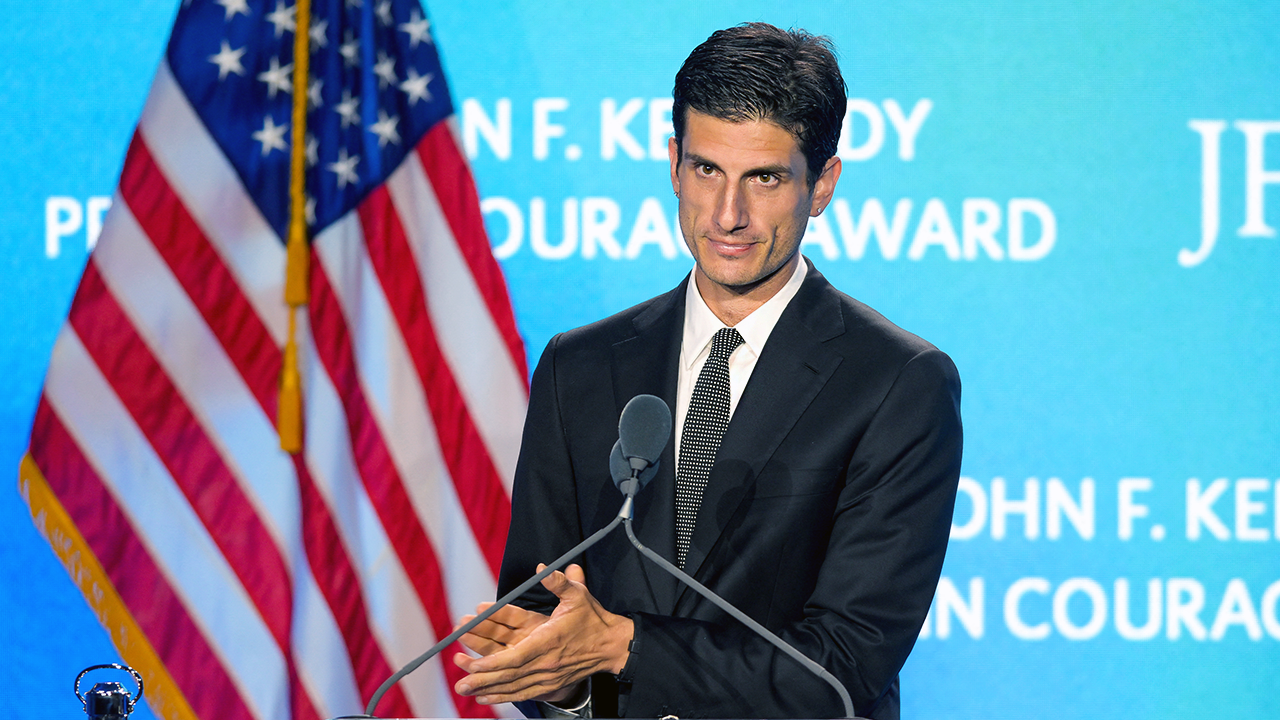
Jack Schlossberg, the 32-year-old grandson of President John F. Kennedy, is perhaps the most high-profile example in the current crop of political heirs. Schlossberg recently announced his candidacy for New York’s 12th Congressional District, explicitly leaning into his Kennedy heritage.
“I’m Jack Schlossberg, and my grandfather, President Kennedy, is my hero,” he stated in a campaign text, making his family connection central to his political identity.
Despite his prestigious education—Yale University and Harvard Law and Business Schools—critics point to Schlossberg’s relatively thin résumé. His most recent professional role was as a political correspondent for Vogue during the 2024 presidential election. Previously, he worked as a staff assistant at the State Department in 2016 and has held positions at the John F. Kennedy Library Foundation for 12 years.
“To make the entire campaign about being from this super famous political dynasty with nothing else to offer is a choice,” noted Kaivan Shroff, a Democratic commentator and former Hillary Clinton campaign staffer.
While Schlossberg aims for Congress, House Speaker Emerita Nancy Pelosi’s daughter, Christine Pelosi, is taking a different approach. Following her mother’s announced retirement from Congress, Christine opted to run for a state Senate seat in California rather than compete for her mother’s congressional position.
Shroff suggested there is “something humble” about Pelosi choosing local office despite having access to her mother’s substantial campaign infrastructure. Christine brings her own credentials as an author, Democratic campaign strategist, attorney, former chair of the California Democratic Party’s Women’s Caucus, and longtime Democratic National Committee member.
The Republican side also features dynastic candidates, including Jonathan Bush, nephew of former President George H.W. Bush. Bush launched a gubernatorial campaign in Maine to succeed term-limited Democratic Governor Janet Mills. A health-tech entrepreneur who co-founded athenahealth in 1997, Bush positions himself as a “disruptor” and “job creator,” though his business career includes controversy—he resigned as CEO in 2018 following allegations of domestic violence and sexual harassment.
Family connections can sometimes highlight political divisions. Stefany Shaheen, daughter of retiring Senator Jeanne Shaheen (D-NH), is running for New Hampshire’s open U.S. House seat. Recently, Stefany publicly stated she “cannot support” a government funding agreement that her mother helped broker, revealing generational differences within the Democratic Party.
Not all political heirs lack experience. Representative Adelita Grijalva (D-AZ) was sworn into Congress this week after winning the special election to replace her late father, longtime Representative Raúl Grijalva. Unlike some other political heirs, Grijalva brings decades of local government experience, having served on the Pima County Board of Supervisors and worked for Pima County Teen Court for more than 25 years.
“Family name aside, [Grijalva] was able to be evaluated by her community,” Shroff noted, suggesting her candidacy had more substance than mere nepotism.
“While no one can fill the shoes of my dad, I stand on my own two feet in my service to the people of Southern Arizona—with 23 years in elected office and 25 years helping court-involved youth and their families through a restorative juvenile diversion program,” Grijalva told Fox News Digital.
As voters evaluate these candidates in upcoming elections, they’ll weigh the value of familiar names against individual qualifications, determining whether political inheritance represents continuity of public service or an unearned shortcut to power.
Fact Checker
Verify the accuracy of this article using The Disinformation Commission analysis and real-time sources.

16 Comments
Dynastic politics is a complex issue. On one hand, the experience and connections of political heirs could be valuable assets. But on the other, we need to ensure a level playing field and that voters are making informed choices beyond just famous names.
Well put. It’s a nuanced topic without easy answers. Voters will have to weigh the pros and cons as they evaluate these political legacy candidates.
I’m curious to see how Jack Schlossberg’s campaign positions his Kennedy heritage. Will he be able to capitalize on the family brand, or will voters want to see more substance beyond the famous name?
It will be a delicate balance. The Kennedy name carries a lot of weight, but voters may want to see Schlossberg establish his own credentials and policy platform.
While political dynasties have a long history in the US, I hope we move towards a more meritocratic system where candidates’ qualifications and vision take precedence over family connections. But I’m interested to see how this plays out.
Agreed. Voters should carefully evaluate each candidate’s individual merits, rather than automatically favoring those with famous family names.
While I respect the Kennedy legacy, I hope voters look beyond just Schlossberg’s famous surname and carefully evaluate his actual qualifications and policy platform. A famous name shouldn’t be a free pass to elected office.
Well said. Voters should hold all candidates to the same standards, regardless of their family backgrounds.
The comparison to the ‘nepo baby’ phenomenon in Hollywood is an interesting one. Both raise questions about the role of privilege and connections in career advancement. It will be telling to see how voters respond to these political legacy candidates.
Definitely an apt comparison. The public seems to be growing more skeptical of people coasting on family fame and influence, whether in entertainment or politics.
I’m torn on this issue. While I respect the Kennedy legacy, I worry about the potential for nepotism and a lack of meritocracy in politics. Candidates should have to earn voters’ trust through their own qualifications and vision, not just their family connections.
Agreed. The Kennedy name may open doors, but Schlossberg and other political heirs should still have to demonstrate their own merits and policy platforms to win over voters.
It’s always fascinating to see how the children of famous politicians navigate the political landscape. I’ll be curious to see if Schlossberg can effectively leverage the Kennedy brand or if voters demand more from him as an individual.
Agreed. The Kennedy name is undoubtedly a double-edged sword – it provides name recognition but also invites intense scrutiny. Schlossberg will need to find the right balance.
Interesting to see how political dynasties and family legacies continue to shape American politics. While having a famous name can open doors, I hope voters scrutinize candidates’ qualifications and vision beyond just their family ties.
Good point. Political dynasties can be a double-edged sword – they bring name recognition but also raise questions about nepotism and whether candidates are truly earning their place.