


Listen to the article
Afghan Immigrants Face Increased Detentions Following National Guard Shooting
In a climate of heightened scrutiny, Afghan immigrants across the United States are experiencing a wave of arrests and detention, particularly in Northern California, which is home to one of the nation’s largest Afghan communities.
On a recent afternoon in Sacramento, an Afghan father who had fled Taliban persecution was arrested during a routine check-in with Immigration and Customs Enforcement (ICE). His volunteer escort, Giselle Garcia, witnessed the family’s anguish as agents took him into custody.
“He was trying to be strong for his wife and kids in the car, but the anxiety and fear were palpable,” Garcia recounted. “His wife was trying to hold back tears, but I could see her in the rearview mirror silently crying.”
The family had sought asylum at the U.S.-Mexico border after fleeing Afghanistan, where they faced threats from the Taliban because the wife’s father had assisted American military forces. According to Garcia, they had diligently attended all required appointments and followed legal procedures.
The arrest is part of a broader pattern that has emerged following the November 26 shooting of two National Guard troops, allegedly by an Afghan national. Immigration attorneys and community advocates report approximately two dozen arrests of Afghan immigrants since the incident, with at least nine occurring at the federal building in Sacramento last week alone.
These detentions primarily affect two groups of Afghans: those who requested asylum at the southern border within the past two years and individuals brought to the U.S. under Operation Allies Welcome, which was established by the Biden administration after the chaotic American withdrawal from Afghanistan in 2021. Approximately 76,000 Afghans entered the country under this program.
White House Press Secretary Karoline Leavitt announced on December 1 that the Trump administration is “actively reexamining” all Afghan nationals who entered the U.S. during Biden’s tenure. Tricia McLaughlin, spokesperson for the Department of Homeland Security, stated that the agency is “going full throttle on identifying and arresting known or suspected terrorists and criminal illegal aliens.”
The suspect in the National Guard shooting, 29-year-old Rahmanullah Lakanwal, had been granted asylum earlier this year, according to the advocacy group #AfghanEvac.
In response to the shooting, the U.S. government has implemented sweeping immigration changes, including pausing asylum applications and requiring enhanced vetting for immigrants from certain countries. Measures specifically targeting Afghans include halting all immigration-related applications and visas for those who closely assisted American war efforts.
Critics argue these actions amount to collective punishment of a population that includes many individuals who risked their lives to protect U.S. troops.
“Not to discount the horrific killing that happened, but that was one bad actor who should be prosecuted by the full extent of the law,” said Democratic Representative Ami Bera, whose California district includes Sacramento. “A lot of these people kept our troops safe and served side by side with our soldiers for two decades in Afghanistan.”
In Sacramento, volunteers monitoring ICE activities observed multiple Afghan men being summoned for immediate check-ins on December 1. Garcia reported that as each man entered the office, agents handcuffed them.
“What we saw on Monday was an influx of Afghan immigrants called randomly starting at 6 a.m. and asked to do a check-in and report immediately,” she said. “Most of these Afghan men already had ankle monitors on them.”
The enforcement actions extend beyond California. In Des Moines, Iowa, an Afghan man was detained for two hours after being labeled a “terrorist” by agents who later released him with an apology, according to Ann Naffier of the Iowa Migrant Movement for Justice.
Northern California immigration attorney Wahida Noorzad represents two Afghan clients who were arrested last week despite having strong asylum cases and no criminal records. Both had entered through established legal channels at the southern border.
Attorney Spojmie Nasiri described receiving numerous calls from frightened Afghans, including a U.S. citizen who contacted her in terror as agents surrounded his home. Immigration consultant Iqbal Wafa reported that interviews for Afghan clients have been canceled at the federal building in Sacramento.
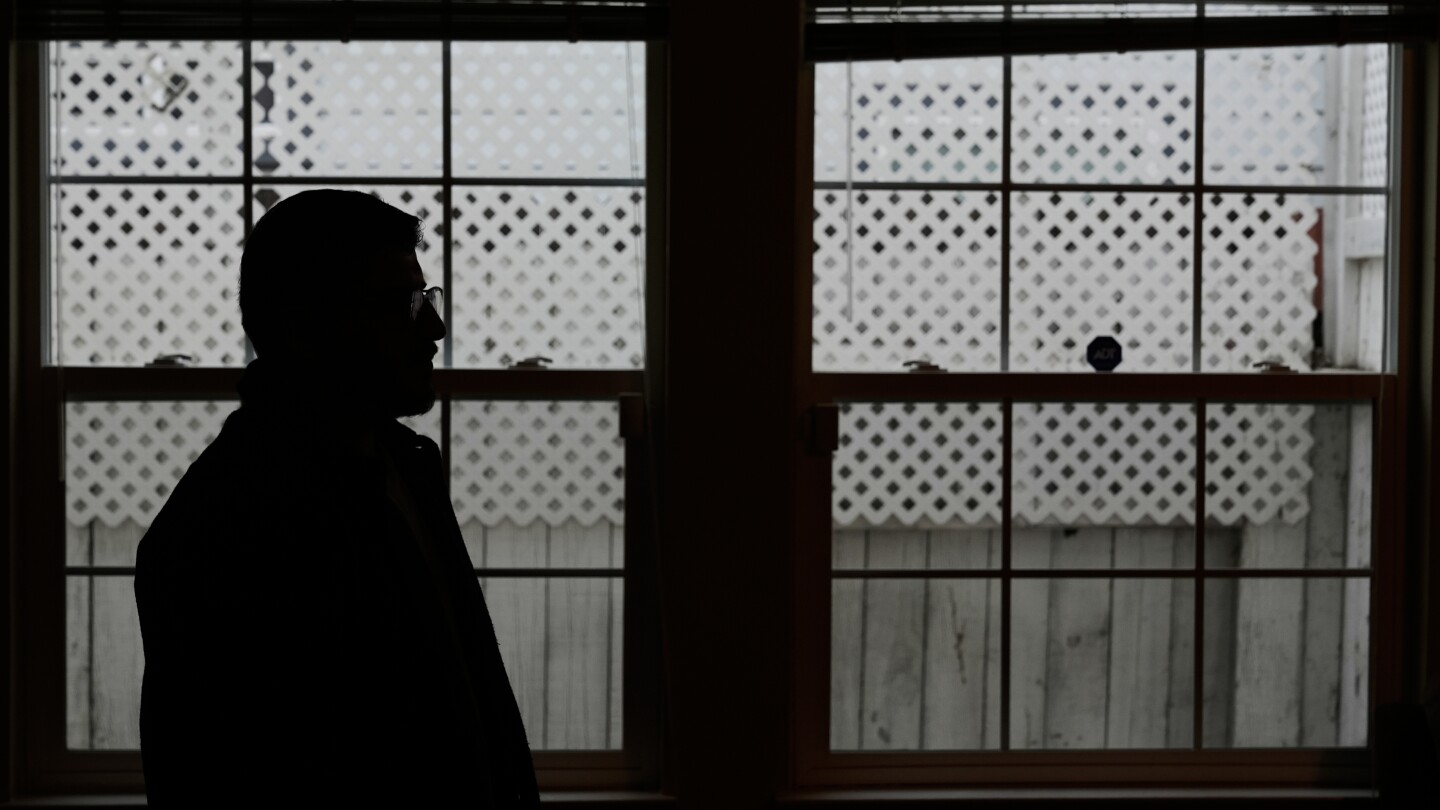
These policies have created widespread fear and uncertainty in Afghan communities. One man identified only as Mohammadi, who worked as a security guard for both the U.S. Army Corps of Engineering and the U.S. Embassy in Afghanistan for 12 years, expressed feelings of betrayal after his citizenship interview was canceled.
“I started thinking, ‘I haven’t done anything,'” Mohammadi said. “What will happen to our futures?”
For families like the one Garcia assisted, the consequences are immediate and devastating. As she left the ICE office without the detained father, his wife broke down sobbing while their young daughter attempted to console her: “Mommy, don’t cry. Everything will be OK when daddy comes.”
Fact Checker
Verify the accuracy of this article using The Disinformation Commission analysis and real-time sources.

10 Comments
This is a troubling development. While immigration enforcement is a complex issue, the impact on Afghan families who have already suffered greatly is deeply concerning. I hope authorities can find a measured approach.
You raise valid points. Balancing national security, the rule of law, and compassion for refugees is challenging but essential. Transparent and accountable procedures will be crucial in these cases.
The reported increase in arrests of Afghan immigrants is concerning. These individuals have already endured immense hardship and disruption. Authorities should ensure fair and humane treatment.
I share your concerns. Upholding the rule of law is important, but the human impact on vulnerable populations must also be carefully weighed. Nuanced, case-by-case assessments will be key.
This is a concerning trend. While immigration enforcement is complex, the human impact on families is deeply troubling. I hope these cases receive fair and humane treatment as the legal process unfolds.
You raise a good point. Balancing security and compassion is crucial, especially for vulnerable populations fleeing persecution. Transparent and accountable procedures will be key.
The rise in Afghan immigrant arrests is alarming. These individuals have already endured immense hardship and upheaval. Authorities should exercise caution and consider the full context of each case.
I agree. Immigrants in precarious situations deserve fair hearings and access to legal counsel. A measured, nuanced approach is essential to uphold justice and human rights.
This is a complex and sensitive issue. While national security is important, the trauma experienced by Afghan refugees should not be overlooked. I hope policymakers find a balanced solution.
Well said. Striking the right balance between enforcement and empathy is critical. Careful consideration of each individual’s circumstances will be crucial moving forward.