


Listen to the article
The House of Representatives unanimously voted Wednesday to repeal a controversial provision that would allow senators to sue the federal government for up to $500,000 in damages if their personal or office data is accessed without consent.
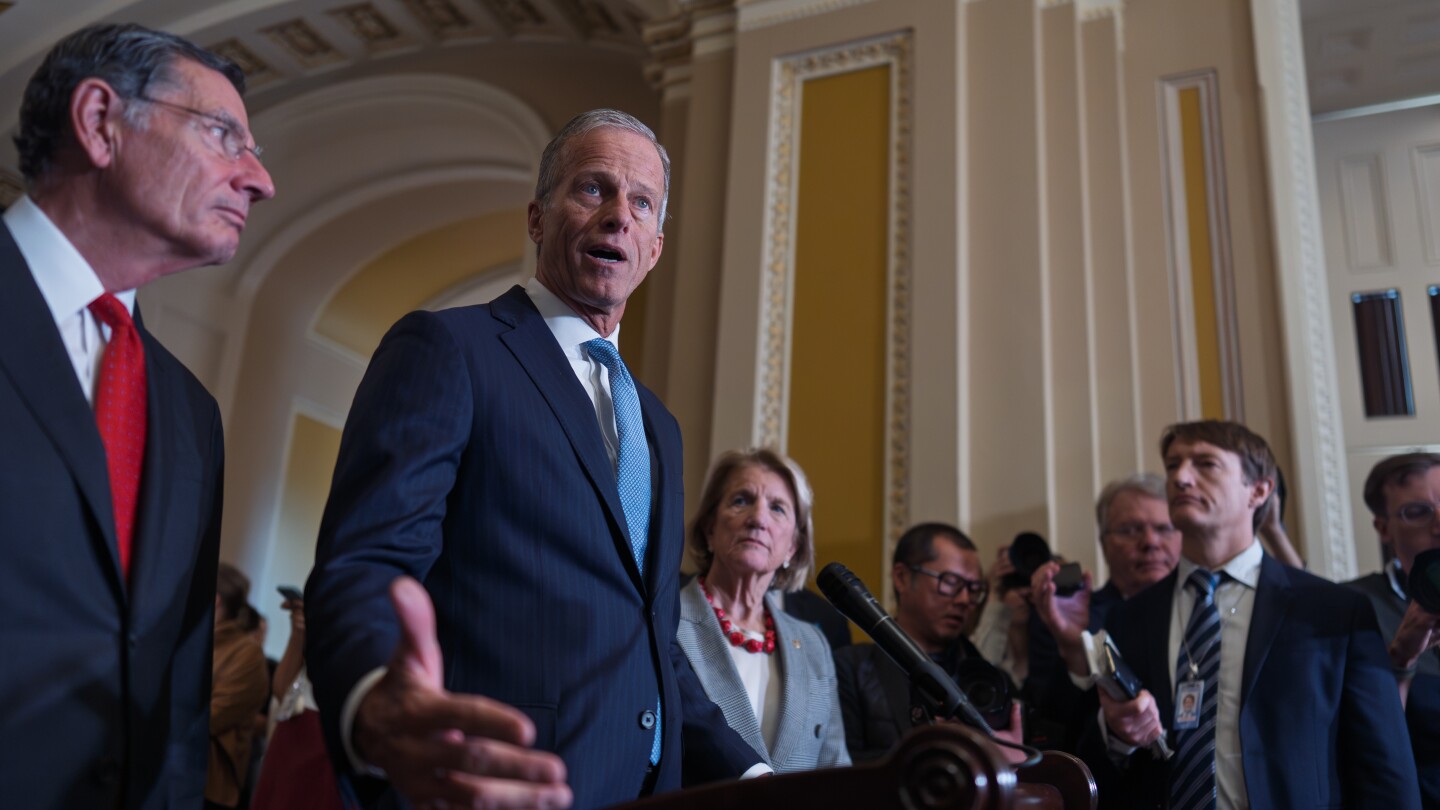
The 427-0 vote represents a rare moment of bipartisan unity against a measure that Senate Majority Leader John Thune quietly inserted into the recent government funding bill. The provision became law earlier this month when President Donald Trump signed legislation ending the nation’s longest government shutdown.
House lawmakers from both parties expressed outrage at what they characterized as self-serving legislation benefiting only senators at taxpayer expense. Representative Austin Scott, a Georgia Republican, called it “probably the most self-centered, self-serving piece of language that I have ever seen,” while Democratic Representative Joe Morelle of New York described it as a “self-serving, one-sided get rich scheme” that explains why “Americans are so disgusted with this Congress.”
The controversy stems from revelations that the FBI in 2023 analyzed phone records of approximately ten senators during an investigation into then-President Trump’s efforts to overturn the 2020 election results. The records revealed metadata such as call times and dates but not the content of communications.
Senators, particularly Republicans, were infuriated by what they viewed as an intrusion by the Justice Department under the Biden administration. Thune defended the provision Wednesday, calling the Justice Department’s actions “a violation of the separation of powers under the Constitution” that “needed to be addressed.”
Despite the House’s unanimous vote, the repeal faces an uncertain future in the Senate, where many members have vocally defended the provision. Senate Majority Leader Thune has not agreed to bring the repeal to the floor, leading House Democratic Leader Hakeem Jeffries to dismiss Wednesday’s vote as being “for show” and “not serious.”
Some Republican senators who were targeted have already announced intentions to file lawsuits. Senator Lindsey Graham of South Carolina, one of the most vocal supporters of the new law, has pledged to sue both the Justice Department and Verizon, which provided the records. “I’m going to make this hurt as much as it possibly can so nobody can do it again,” Graham said.
Senator Tommy Tuberville of Alabama similarly posted on social media platform X that he would “sue the living hell out of every Biden official involved.” He claimed former special counsel Jack Smith should be “DISBARRED and THROWN IN JAIL” for investigating senators’ communications.
Not all senators plan to seek damages, however. Florida Senator Rick Scott, who was among those whose records were accessed, expressed surprise about the provision’s inclusion in the spending bill and disinterest in pursuing compensation: “It’s not like I need to make any money off the government.” Tennessee Senator Bill Hagerty has also indicated he would not seek damages.
Senate discussions are now underway about potentially modifying the provision rather than repealing it outright. One possibility being considered is expanding its protections to all lawmakers and potentially other groups targeted by government investigations. Senator Markwayne Mullin of Oklahoma suggested that while he supports government accountability, he opposes the retroactive nature of the current provision.
Senate Democratic Leader Chuck Schumer acknowledged agreeing to the language before the Senate passed the spending package, explaining that Democrats supported it as protection against similar actions potentially taken by the Trump administration. Nevertheless, Schumer stated, “I’d be for repealing all of it, and I hope that happens.”
The White House has not formally opposed the provision. A senior administration official, speaking on condition of anonymity, indicated that President Trump has no objections to the language and was informed as senators drafted the bill.
As Congress prepares to negotiate the next package of spending bills, the fate of this controversial provision remains uncertain, highlighting tensions between accountability for government overreach and concerns about lawmakers using their positions for personal financial benefit.
Fact Checker
Verify the accuracy of this article using The Disinformation Commission analysis and real-time sources.

11 Comments
Curious to know more about the details and reasoning behind this controversial provision. Seems like an overreach that undermines public trust in government. Transparency and equal treatment under the law should be the priority.
A rare moment of bipartisanship, though the reasons behind it are questionable. Senators should be subject to the same laws and oversight as the general public when it comes to surveillance and data privacy.
Well said. Lawmakers need to set an example and ensure fair, consistent application of the law – not create special exemptions for themselves.
While privacy concerns are understandable, this provision appears to be a blatant abuse of power by senators. Glad to see it being repealed, though the fact that it was even proposed is quite troubling.
This is a concerning development that highlights the need for strong, independent oversight of government surveillance activities. Elected officials should not be able to exempt themselves from laws intended to protect citizens’ rights.
Glad to see this provision being repealed, even if the motives behind it were self-serving. Government surveillance powers need robust checks and balances, not special carve-outs for elected officials.
Interesting development. I can understand the concerns about government overreach and privacy, but is this really the best solution? Seems like senators may be overreaching to protect themselves rather than the public interest.
Agreed, this legislation does appear self-serving. Lawmakers should focus on protecting all citizens’ privacy rights, not just their own.
This is concerning. While I understand the desire for privacy, senators shouldn’t be exempt from oversight or able to sue for damages over lawful investigations. Transparency and accountability should apply equally.
Good to see bipartisan opposition to this legislation. Lawmakers should be subject to the same data privacy and surveillance rules as everyone else. No special exemptions or get-rich schemes at taxpayer expense.
Well said. Elected officials must be held to the highest ethical standards and not use their power to enrich themselves.