


Listen to the article
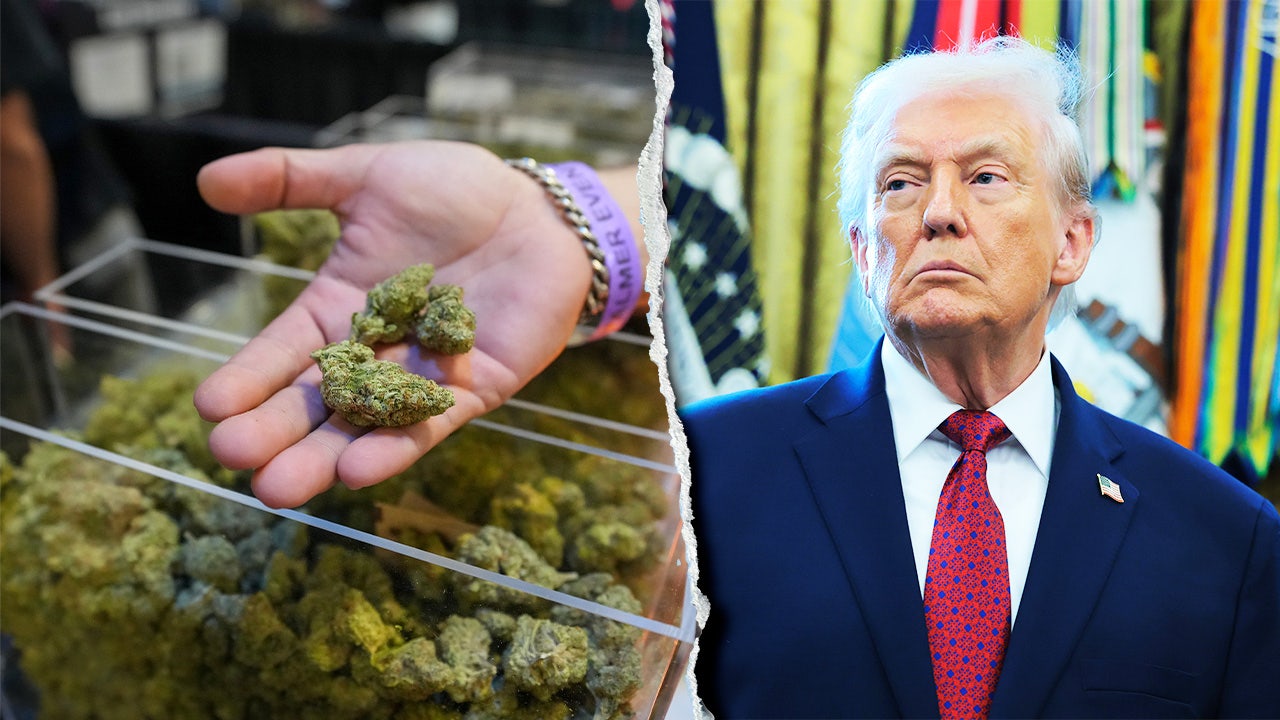
A group of House Republicans is urging President Donald Trump to reject an anticipated move to reclassify marijuana as a less dangerous drug, warning the action could worsen the nation’s addiction crisis and send the wrong message to children.
Twenty-six GOP lawmakers, led by Rep. Pete Sessions of Texas and House Freedom Caucus Chairman Andy Harris of Maryland, have sent a letter to the president expressing strong opposition to downgrading marijuana’s classification under Drug Enforcement Administration regulations.
“Reclassifying marijuana as a Schedule III drug will send the wrong message to America’s children, enable drug cartels, and make our roads more dangerous,” the lawmakers wrote in their letter, which drew support from a diverse cross-section of House Republicans including moderates, Freedom Caucus members, and mainstream GOP representatives.
Currently, marijuana is classified as a Schedule I drug—the same category as heroin, ecstasy, and LSD. Under this classification, these substances are considered to have “no currently accepted medical use and a high potential for abuse,” according to DEA guidelines.
Trump acknowledged on Monday that his administration is considering reclassifying marijuana to Schedule III, which would place it alongside medications like Tylenol with codeine and anabolic steroids—drugs deemed to have “a moderate to low potential for physical and psychological dependence.”
“We are considering that. A lot of people want to see it, the reclassification, because it leads to tremendous amounts of research that can’t be done unless you reclassify,” Trump said from the Oval Office. “So we are looking at that very strongly.”
A similar rescheduling effort initiated under the Biden administration based on recommendations from the Department of Health and Human Services was paused in January. The House Republicans criticized this earlier attempt, stating, “The Biden administration rescheduling decision was wrong. Rather than following the science, the Biden White House tried to expand the use of an addictive drug for partisan gain.”
The lawmakers dismissed claims from the marijuana industry that rescheduling would lead to more research, noting that “the U.S. has already conducted research for decades on this drug” and that Congress passed bipartisan legislation to expand marijuana research while maintaining its Schedule I status.
In their appeal to Trump, the lawmakers claimed marijuana is “addictive” and has “no medical value,” citing a fifteen-year review of medical research that allegedly found 30% of medical marijuana users develop an addiction to the drug.
However, medical perspectives on marijuana vary significantly. According to a 2020 Harvard Health report, pain control is the most common medical application for marijuana in the United States, with the substance being less addictive than opioid drugs often prescribed for similar purposes. Medical marijuana is also used to manage nausea, while veterans’ organizations like the American Legion have advocated for expanded research into its effects on PTSD.
It’s important to note that rescheduling marijuana would not automatically legalize it nationwide. Rather, it would facilitate additional research and potentially create new avenues for certain business operations involving the drug—a key consideration as the cannabis industry continues to grow in states where it has been legalized.
The Republican lawmakers also raised concerns about potential national security and public safety implications, claiming the move would benefit “Chinese government-linked cartels that operate thousands of marijuana farms nationwide” and compromise road safety.
“Under Schedule III, pilots, truck drivers, and other safety-sensitive professions will not be tested for marijuana,” they wrote. “Marijuana is already imperiling safety: over 40% of fatal car crashes today involve THC. Rescheduling will exponentially worsen this crisis.”
The letter concluded with a personal appeal to the president: “Rescheduling marijuana will not make America great. You have always been a role model for America’s youth, telling young people for years that they should never do drugs. We hope that you consider the harms of marijuana rescheduling and continue sending that strong message of hope to the next generation.”
The debate highlights the ongoing tensions within government and society regarding marijuana policy as more states have moved to legalize or decriminalize the substance for medical and recreational use.
Fact Checker
Verify the accuracy of this article using The Disinformation Commission analysis and real-time sources.

7 Comments
Interesting to see the bipartisan pushback against the anticipated executive order. Both sides make valid points that deserve careful consideration.
I’m skeptical that reclassifying marijuana will have the intended effect of reducing addiction and crime. More research is needed on the real-world impacts of such a change.
Good point. The evidence on the downstream effects of marijuana reclassification seems mixed. Policymakers should proceed cautiously and seek input from experts.
This is a high-stakes decision that could have far-reaching consequences. I hope the administration weighs all the factors and perspectives before taking action.
It’s good to see lawmakers from both parties engaging on this topic. A balanced, evidence-based approach is needed to address the addiction crisis and public health impacts.
Agreed. Any policy changes should carefully consider the public health and safety implications. It’s a nuanced issue without easy answers.
This is a complex issue with valid concerns on both sides. I’m curious to see how the public and policymakers will weigh the potential risks and benefits of reclassifying marijuana.