


Listen to the article
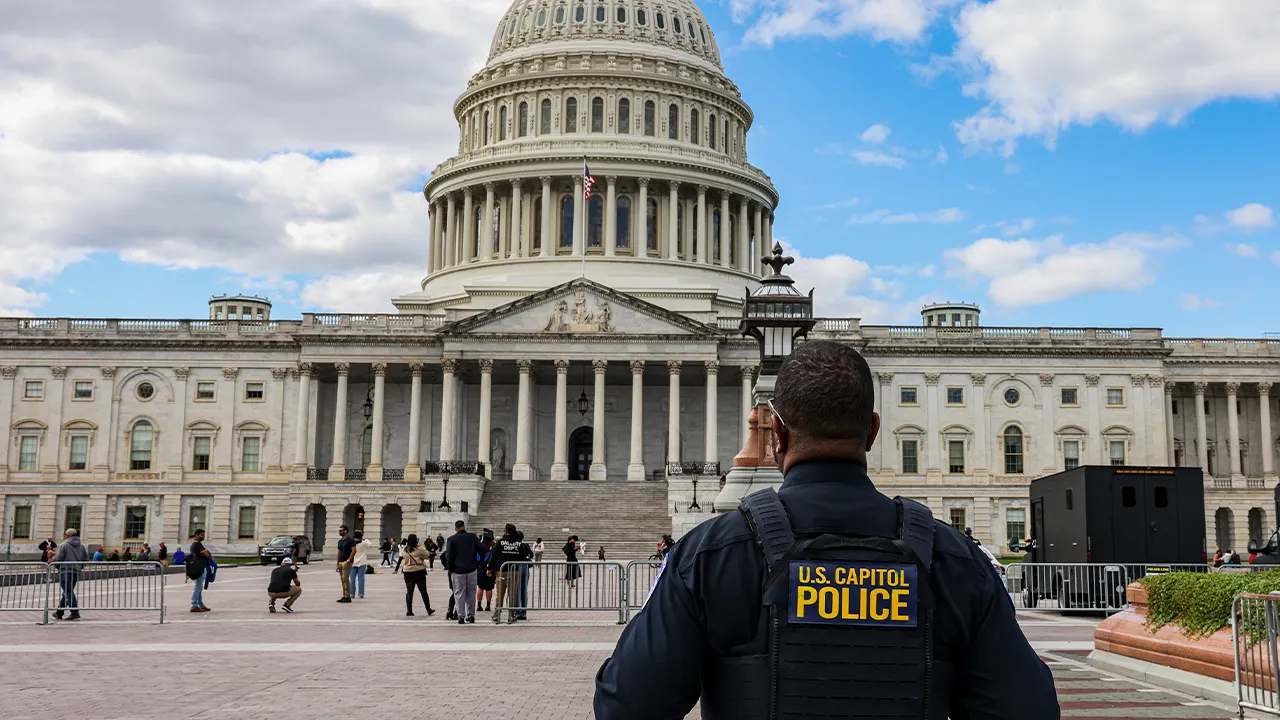
In a bipartisan effort to address growing safety concerns, House leaders are quietly negotiating expanded security protections for members of Congress, according to recent reports.
House Minority Leader Hakeem Jeffries (D-N.Y.) and Rep. Joe Morelle (D-N.Y.) have been engaged in ongoing discussions with House Speaker Mike Johnson (R-La.) and House Administration Committee Chair Bryan Steil (R-Wis.) about enhancing security measures for lawmakers.
A senior Democratic committee aide told The Hill that the Democratic leaders “have regularly discussed innovative solutions to the heightened need for Member security” with their Republican counterparts. These discussions reflect growing concerns about threats against elected officials in an increasingly polarized political climate.
One proposal under consideration is an expansion of the Law Enforcement Coordination Program that would provide members with dedicated staff and funding to hire security personnel focused solely on safety concerns. This position would involve facilitating threat assessments and coordinating with law enforcement agencies.
Rep. Morelle detailed in an interview with Semafor that the ideal candidate would be “someone who’s probably a former law enforcement, former military, who meets all the requirements of being able to carry a gun.” This suggests lawmakers are considering armed protection as part of the enhanced security package.
The conversations between congressional leaders also reportedly included discussions about providing members with professional security personnel as they perform their official duties outside the Capitol complex.
These discussions come as lawmakers have gained access to a new $20,000 monthly security allowance, which took effect on Monday. This represents a significant increase from previous allocations. The program began as a pilot initiative providing $5,000 monthly for security personnel away from the Capitol, according to Roll Call. The allowance was later increased to $10,000 in September and extended through November 21 before being made permanent at the higher $20,000 level.
House Sergeant-at-Arms William McFarland outlined the parameters of the program in a letter obtained by Roll Call, specifying that the funds could be used for “accompanying a Member or providing residential coverage at a member’s home.” However, McFarland noted that security personnel hired through the program would not be permitted in the Capitol building or on its grounds, where U.S. Capitol Police maintain jurisdiction.
Members are also expected to receive access to a mobile distress system as part of the enhanced security measures, providing an additional layer of protection when they are away from secure facilities.
The push for increased security comes amid a backdrop of rising concerns about political violence in the United States. In recent years, several high-profile incidents have targeted elected officials, including the 2017 shooting at a congressional baseball practice that seriously injured Rep. Steve Scalise (R-La.) and the 2022 attack on former House Speaker Nancy Pelosi’s husband, Paul Pelosi.
Security experts have noted that threats against members of Congress have increased dramatically in recent years. The U.S. Capitol Police reported investigating nearly 10,000 threats against members in 2022, a figure that has more than doubled since 2017.
The bipartisan nature of these security discussions underscores the shared concern among lawmakers across the political spectrum about their personal safety while conducting official duties and when at home in their districts.
Fox News Digital reached out to Representatives Jeffries, Morelle, Johnson, and Steil for comment on the security enhancements, but no responses were reported at the time of publication.
Fact Checker
Verify the accuracy of this article using The Disinformation Commission analysis and real-time sources.

14 Comments
Enhancing personal security for lawmakers is a sensitive topic, but it’s good to see Democrats and Republicans working together. I’m curious to learn more about the specific proposals and how they plan to balance safety and civil liberties.
Absolutely, the policy details will be crucial. Maintaining public trust through transparency and accountability should be a top priority as they explore solutions.
While I understand the need for enhanced security, I hope they carefully weigh the implications and costs. Overreacting could set a concerning precedent and divert resources from other priorities.
Agreed, balance is key. Lawmakers should consider the wider impacts and seek input from diverse stakeholders to craft effective yet responsible policies.
Bipartisan cooperation on security issues is promising, though the devil will be in the details. I hope they prioritize solutions that protect lawmakers while also upholding civil liberties and transparency.
Agreed. Any new security measures should be subject to robust oversight and evaluation to ensure they’re effective and proportional to the threat level.
Enhancing security for lawmakers is a complex issue with valid concerns on both sides. Bipartisan cooperation to find reasonable solutions is encouraging, though the details will be critical.
Agreed, this is a sensitive topic that requires a thoughtful, balanced approach. Protecting elected officials is important, but solutions should also respect civil liberties.
Interesting to see Democrats and Republicans working together on this. Personal safety for lawmakers is crucial, but any new security measures will need careful oversight to ensure they’re not abused.
Good point. The public deserves transparency on how any new security programs are implemented and funded to maintain trust in the process.
Threats against elected officials are concerning, but I’m curious to hear more about the specific proposals under discussion. Expanded security programs require rigorous oversight to ensure they’re not misused.
Good point. The details around funding, staffing, and coordination with law enforcement will be crucial in determining the merits of any new security initiatives.
The need for better security protections for elected officials is understandable, but I hope they approach this issue cautiously. Any new measures should be carefully evaluated to ensure they’re necessary, effective, and don’t infringe on individual freedoms.
Well said. Striking the right balance between safety and civil liberties is essential for maintaining a healthy democracy.