


Listen to the article
Iowa Democrat’s Wealth Contrasts with Working-Class Campaign Image
Iowa Democrat Christina Bohannan has built her congressional campaign around her identity as a champion for the working class, frequently telling voters she understands what it’s like “to struggle to put food on the table.” But an examination of her financial records reveals substantial personal wealth that appears at odds with this carefully cultivated image.
Bohannan, who is challenging Republican incumbent Rep. Mariannette Miller-Meeks for Iowa’s 1st Congressional District, has made her humble beginnings a cornerstone of her political narrative. At campaign events, including the Iowa State Fair, she has repeatedly shared stories of growing up in a trailer park and facing difficult financial choices like deciding “between putting groceries in the cart and filling prescription drugs.”
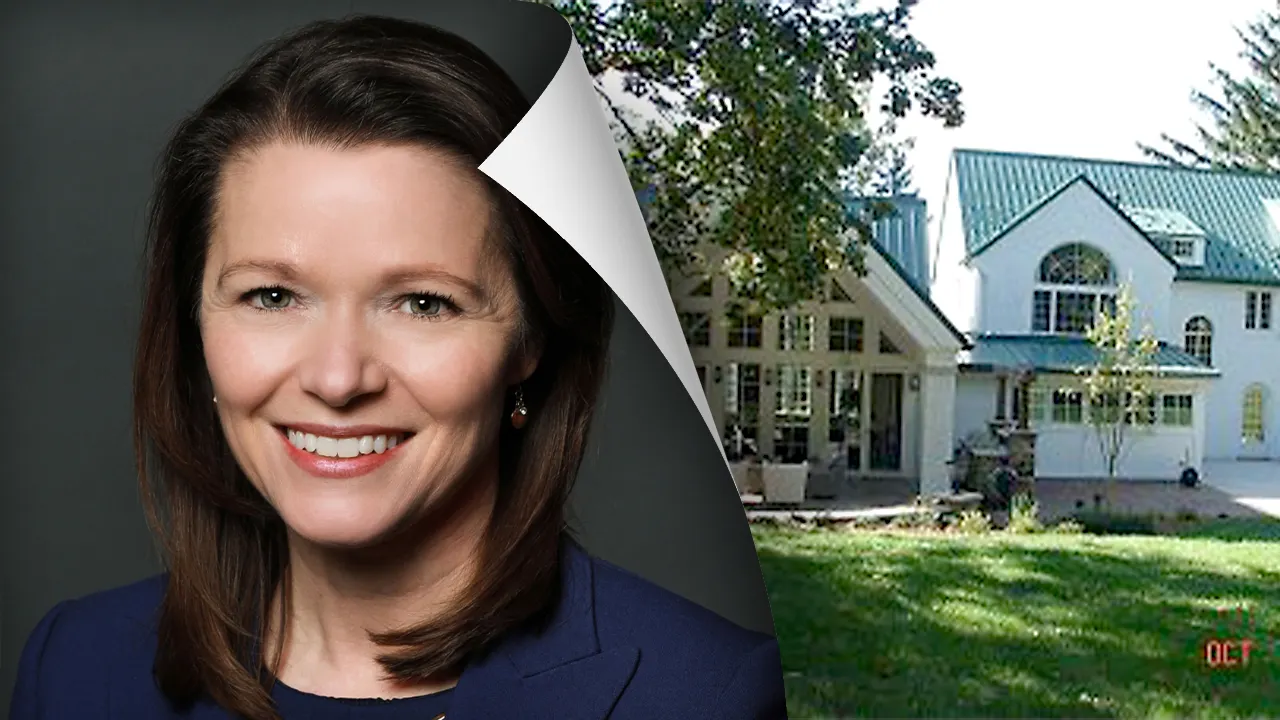
However, property records and financial disclosures tell a different story about her current circumstances. In June, Bohannan purchased University of Iowa basketball coach Fran McCaffery’s mansion in Iowa City for $1.55 million. She also owns a waterfront condominium in a gated community in Sarasota, Florida, where homes range from $300,000 to over $1 million and require thousands in annual homeowner’s fees.
The Florida property has proven financially lucrative for Bohannan, generating as much as $50,000 annually in rental income, according to her financial disclosures.
Beyond real estate holdings, Bohannan and her husband maintain a diverse investment portfolio that includes six-figure holdings in major technology stocks such as Apple, Alphabet, and Meta. This investment strategy has raised eyebrows given Bohannan’s own “ETHICS PLAN” proposal that would require members of Congress to stop trading individual stocks while serving on Capitol Hill.
The disconnect between Bohannan’s campaign messaging and personal finances became a point of contention after she criticized Rep. Miller-Meeks on social media earlier this month. Bohannan posted an image allegedly showing Miller-Meeks flying first class, writing, “This photo tells you more about Miller-Meeks’ true values than her entire town hall did,” and suggesting her opponent was indifferent to constituents “suffering from Trump’s policies.”
This attempted criticism prompted a swift response from local district supervisor Austin Hayek, who called out what he perceived as hypocrisy. “Christina Bohannan is concerned with 1st class – weird since she just bought a $1.55 million dollar home,” Hayek commented. “Seems she’s wanting others to share the wealth, but not herself and she cares more about her personal living than the ‘poor.’ Stop the virtue signally [sic].”
Bohannan’s campaign did not respond to requests for comment on the apparent contradiction between her working-class messaging and personal wealth.
This race represents Bohannan’s third attempt to win this congressional seat, having lost previous bids in the last two election cycles. The contest is attracting attention as Democrats attempt to gain ground in Iowa, a state that has trended increasingly Republican in recent election cycles after previously being considered a swing state.
Political analysts note that candidates from both parties increasingly face scrutiny over authenticity as voters seek representatives who genuinely understand their concerns. The contrast between campaign messaging and personal circumstances can sometimes become a vulnerability, particularly in districts with significant economic disparities.
As the November election approaches, voters in Iowa’s 1st District will have the opportunity to evaluate whether Bohannan’s personal financial success undermines her credibility as an advocate for working-class Iowans or whether her humble origins still qualify her to represent their interests in Congress.
Fact Checker
Verify the accuracy of this article using The Disinformation Commission analysis and real-time sources.

5 Comments
Interesting contrast between the candidate’s working-class messaging and her personal wealth. I wonder how this will play with voters who may feel the disconnect between her rhetoric and lifestyle.
It’s certainly an important issue to examine closely. Voters deserve candidates who truly understand their struggles, not just those who claim to.
While personal wealth doesn’t necessarily disqualify someone from advocating for the working class, the stark contrast here is concerning. The candidate will need to carefully explain how her background and values make her the right choice.
This highlights the challenge of authentically connecting with working-class voters when you don’t share their day-to-day experiences. The candidate will need to address this head-on if she wants to maintain credibility.
Agreed. Voters value transparency and consistency. The candidate’s personal finances deserve scrutiny to ensure her policy positions align with her actual circumstances.