


Listen to the article
U.S. Defense Secretary Defends Caribbean Sea Strike as “Fog of War” Decision
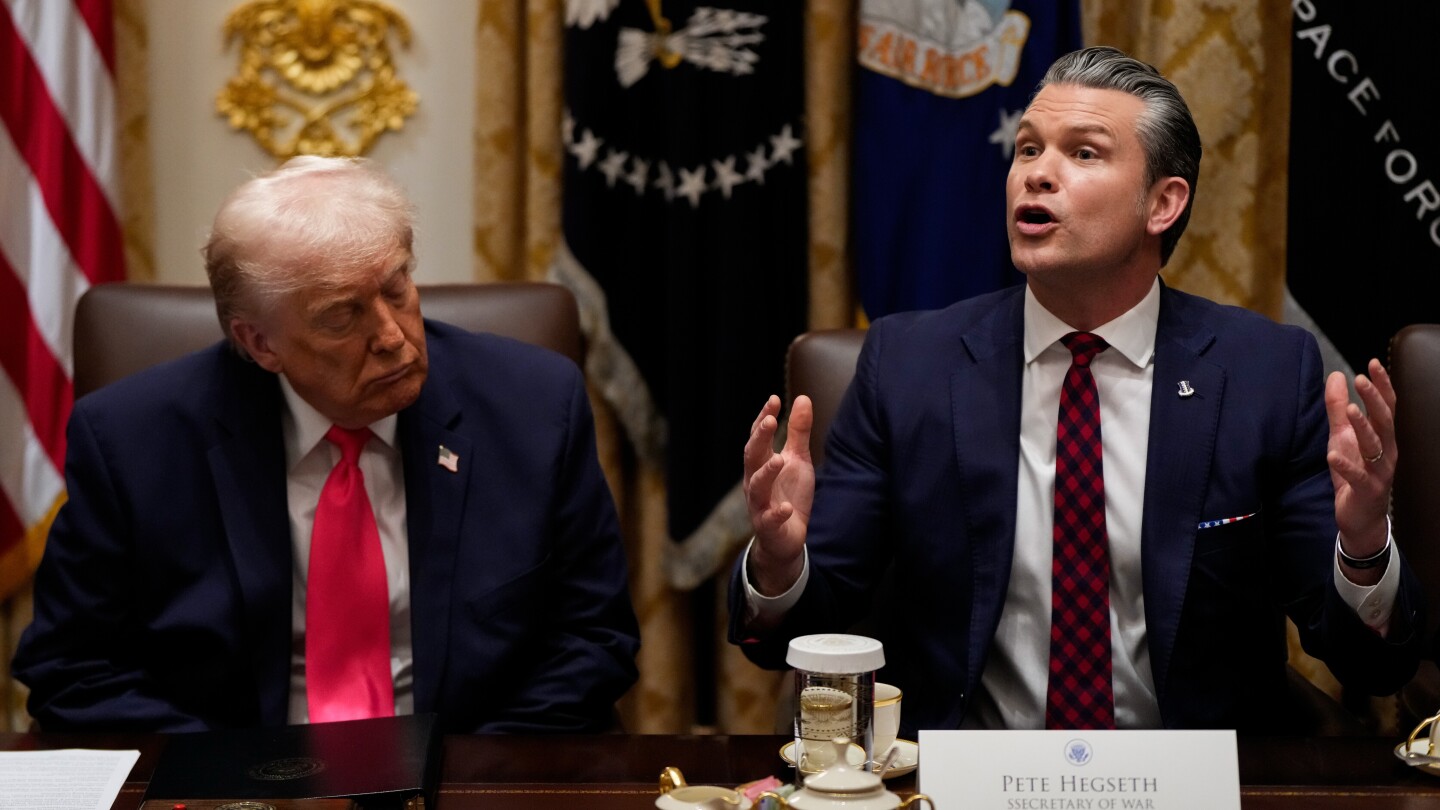
Defense Secretary Pete Hegseth defended a controversial secondary strike on a suspected drug-carrying vessel in the Caribbean Sea, characterizing the situation as the “fog of war” during a Cabinet meeting at the White House on Tuesday.
“This vessel exploded in fire, smoke, you can’t see anything. This is called the fog of war,” Hegseth explained, adding that he “didn’t stick around” for the remainder of the September 2 mission after the initial strike. He maintained that the admiral in charge “made the right call” in ordering a second hit, an action the defense secretary claimed the commander “had complete authority to do.”
The incident has sparked congressional investigations following reporting by The Washington Post alleging that Hegseth issued a verbal order to “kill everybody” on the vessel. This boat was the first target in what has grown into an extensive Trump administration counterdrug campaign in the Caribbean and eastern Pacific Ocean, with over 20 known strikes resulting in more than 80 deaths.
Legal experts consulted by The Associated Press have raised serious concerns about the legality of the second strike, which reportedly killed two survivors who were clinging to wreckage. The Pentagon’s own manual on the laws of armed conflict explicitly states that “orders to fire upon the shipwrecked would be clearly illegal.”
President Donald Trump appeared to distance himself from the controversial second strike during Tuesday’s meeting, stating: “I didn’t know anything about people. I wasn’t involved in it.” Trump further claimed he “still hasn’t gotten a lot of information” about the incident because he relies on Hegseth for such details.
The military campaign represents the largest U.S. military presence in the Caribbean region in generations. Many analysts view these operations as part of a broader strategy to pressure Venezuelan President Nicolás Maduro to resign, signaling the geopolitical dimensions beyond stated anti-drug objectives.
Despite the president’s apparent attempt to create distance from the specific tactical decisions, Hegseth emphasized that Trump has empowered “commanders to do what is necessary, which is dark and difficult things in the dead of night on behalf of the American people.”
Pentagon press secretary Kingsley Wilson contradicted this narrative earlier in the day, stating that all strikes have been “presidentially directed and the chain of command functions as it should.” Wilson emphasized, “At the end of the day, the secretary and the president are the ones directing these strikes.”
The Trump administration has suggested that Navy Vice Adm. Frank “Mitch” Bradley made the actual decision to conduct the second strike. Trump called Bradley an “extraordinary person” and declared his intention to continue the aggressive campaign: “I want those boats taken out, and if we have to, will attack on land also, just like we attack on sea.”
White House officials maintained on Monday that Bradley acted “within his authority and the law” in ordering the follow-up strike. Hegseth publicly supported the admiral on social media, stating that he stood by “the combat decisions he has made.”
Admiral Bradley is scheduled to provide a classified briefing to lawmakers overseeing military operations on Thursday, which may shed further light on the command decisions surrounding the controversial Caribbean operation.
Fact Checker
Verify the accuracy of this article using The Disinformation Commission analysis and real-time sources.

7 Comments
The ‘fog of war’ is a challenging situation where it’s difficult to get a clear picture of what’s happening. While the details are murky, it’s concerning to hear about potential issues with the legality of these strikes. I hope there is thorough and transparent investigation into this incident.
The ‘fog of war’ is a concerning justification for an incident with such severe consequences. Rigorous investigation is needed to fully understand what happened and ensure proper accountability, regardless of the operational challenges faced. The legality and ethics of these strikes must be the top priority.
While combating drug trafficking is important, the ‘fog of war’ cannot be used to justify potential violations of law or unacceptable loss of life. I hope the investigations lead to greater transparency and reforms to ensure these operations are conducted responsibly going forward.
Combating drug trafficking is important, but the legality and ethics of these strikes must be the top priority. The ‘fog of war’ explanation raises more questions than answers. Transparent and accountable oversight is crucial to ensure these operations are carried out responsibly.
The ‘fog of war’ can certainly create difficult decision-making conditions, but that doesn’t absolve the military of its responsibility to act lawfully and with appropriate restraint. I’m glad Congress is looking into this incident to get to the bottom of what happened.
The use of force in these operations needs to be carefully scrutinized, especially with reports of high casualties. The ‘fog of war’ is not an excuse for potentially unlawful actions. I hope the congressional investigations shed more light on the decision-making and rules of engagement here.
While the challenges of these operations in the ‘fog of war’ are understandable, the high death toll and potential legal issues are very concerning. I hope the investigations provide clarity and lead to reforms to better protect innocent lives.