


Listen to the article
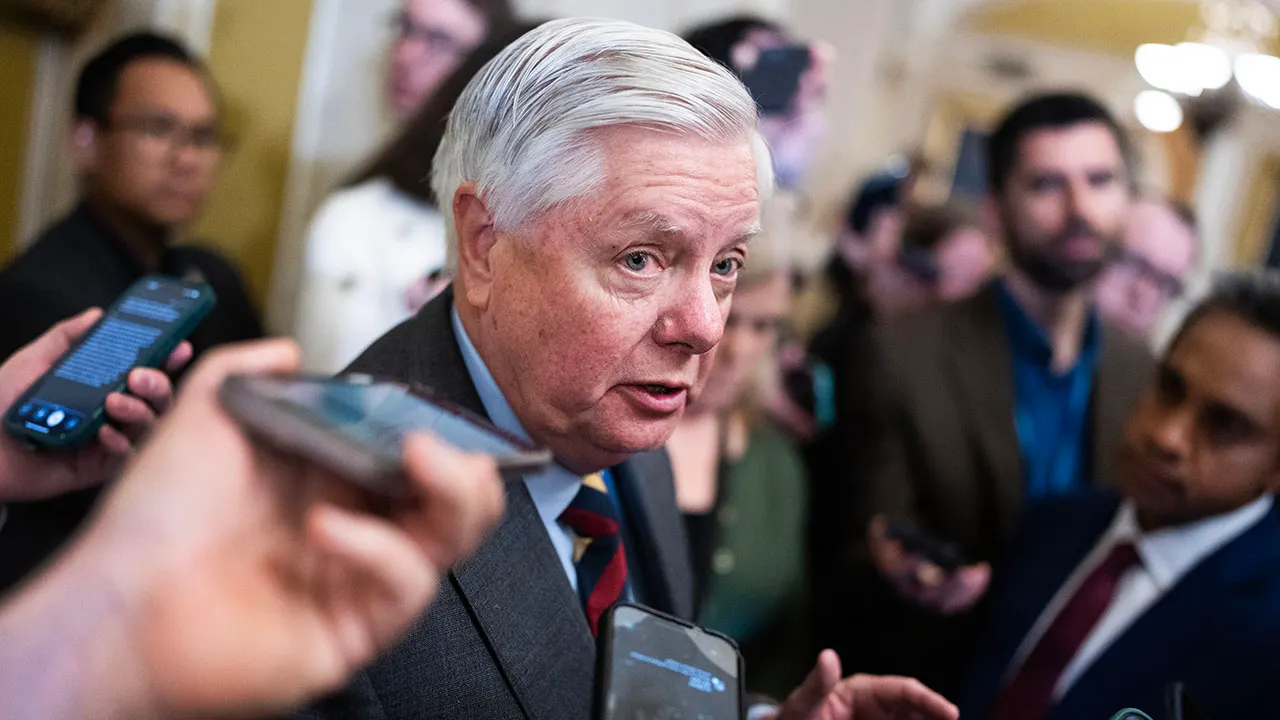
Senator Lindsey Graham has demanded specifics from six Democratic lawmakers who appeared in a controversial video urging military service members to “refuse illegal orders.” The Republican from South Carolina sent individual letters to the Democrats, all of whom have backgrounds in military or intelligence, seeking clarification on which potential orders from the Trump administration they consider illegal.
The video, which has gone viral in recent weeks, featured Senators Elissa Slotkin of Michigan and Mark Kelly of Arizona, along with Representatives Maggie Goodlander of New Hampshire, Jason Crow of Colorado, Chris Deluzio of Pennsylvania, and Chrissy Houlahan of Pennsylvania. In the clip, the lawmakers repeatedly emphasized that service members “can refuse illegal orders” or “must refuse illegal orders,” suggesting that military personnel should not carry out directives they believe violate the Constitution.
Graham, who served three decades in the Air Force and worked as an Air Force Judge Advocate General, expressed serious concern about the Democrats’ message. “I cannot find a single example of an illegal order during this administration, but as a Member of Congress, I believe you owe it to the country to be specific as to which orders you believe are unlawful,” Graham wrote in his letters.
The timing of the video is particularly significant, coming amid heightened scrutiny over some of President Trump’s recent military decisions. Questions have been raised among lawmakers about the legality of Trump’s authorization of strikes on alleged drug boats in the Caribbean. Additionally, the administration’s deployment of National Guard troops to Democratic-led cities has sparked debate about the appropriate use of military personnel.
Under the Uniform Code of Military Justice – the standardized military justice system enacted in 1951 – service members are obligated to follow lawful orders from their superiors but can disregard orders deemed illegal. This creates a delicate balance between military discipline and individual responsibility that has been a cornerstone of military ethics since the Nuremberg trials established that “following orders” is not a defense for war crimes.
When asked to provide specifics about what orders might be considered illegal, Senator Slotkin’s office directed inquiries to a recent interview she gave to TMZ. In that interview, Slotkin explained that the video was created in response to service members who had reached out to the lawmakers expressing uncertainty about what to do if ordered to perform potentially illegal actions.
“They’re not trained in police techniques. They’re not trained in arresting, detaining American citizens, crowd control, raids on homes, and they were worried that they could be asked to do those things, that protests could get bad in a place like Chicago, and they could be asked to do these things,” said Slotkin, a former CIA officer.
The controversy highlights growing tensions between military duty and political divisions in an increasingly polarized environment. Military leaders have traditionally worked to keep the armed forces apolitical, but the current climate has made that increasingly difficult as both parties invoke military values and concerns in their messaging.
Legal experts note that determining what constitutes an “illegal order” can be complex. Orders that violate constitutional rights, the laws of armed conflict, or that direct troops to perform functions outside their lawful scope can potentially qualify as illegal, but the line is not always clear, especially in domestic deployments.
The other Democratic lawmakers featured in the video – Senator Kelly and Representatives Crow, Houlahan, Goodlander, and Deluzio – have not yet publicly responded to Graham’s letters requesting clarification on their positions.
As the debate continues, military analysts suggest this controversy underscores the challenges faced by service members who must navigate their dual obligations to follow the chain of command while upholding their oath to the Constitution rather than to any individual.
Fact Checker
Verify the accuracy of this article using The Disinformation Commission analysis and real-time sources.

12 Comments
This is a complex issue regarding the balance of military obedience and ethical responsibility. I’m curious to hear more specifics from the lawmakers on what they consider ‘illegal orders’ in this context.
Agreed, clarification on the specific legal and constitutional grounds would be helpful to understand their perspective.
Maintaining the integrity of the military chain of command is critical, but so is ensuring service members have clear guidance on their ethical responsibilities. I hope this discussion leads to a constructive resolution.
Well said. Finding the right balance between these competing priorities will be key.
This is a nuanced issue without easy answers. I’m curious to hear the lawmakers’ specific concerns and how they envision service members navigating potential conflicts between orders and personal ethics.
Agreed, the details and rationale behind their position will be important to understand.
This debate highlights the delicate balance between military obedience and individual conscience. I hope the lawmakers and Senator Graham can find common ground to address this issue constructively.
Agreed, a nuanced approach is needed to provide necessary guidance without undermining the chain of command.
Senator Graham raises a valid point about the need for clear guidance on this sensitive topic. Transparent communication between military and political leadership is crucial to maintain order and uphold the rule of law.
Absolutely. Providing clear parameters for service members is important, especially when it comes to potentially refusing orders.
The question of ‘illegal orders’ is a complex one with important implications. I’ll be interested to see how this dialogue unfolds and what specific clarifications the lawmakers provide.
Absolutely, this is a sensitive topic that requires thoughtful consideration from all sides.