


Listen to the article
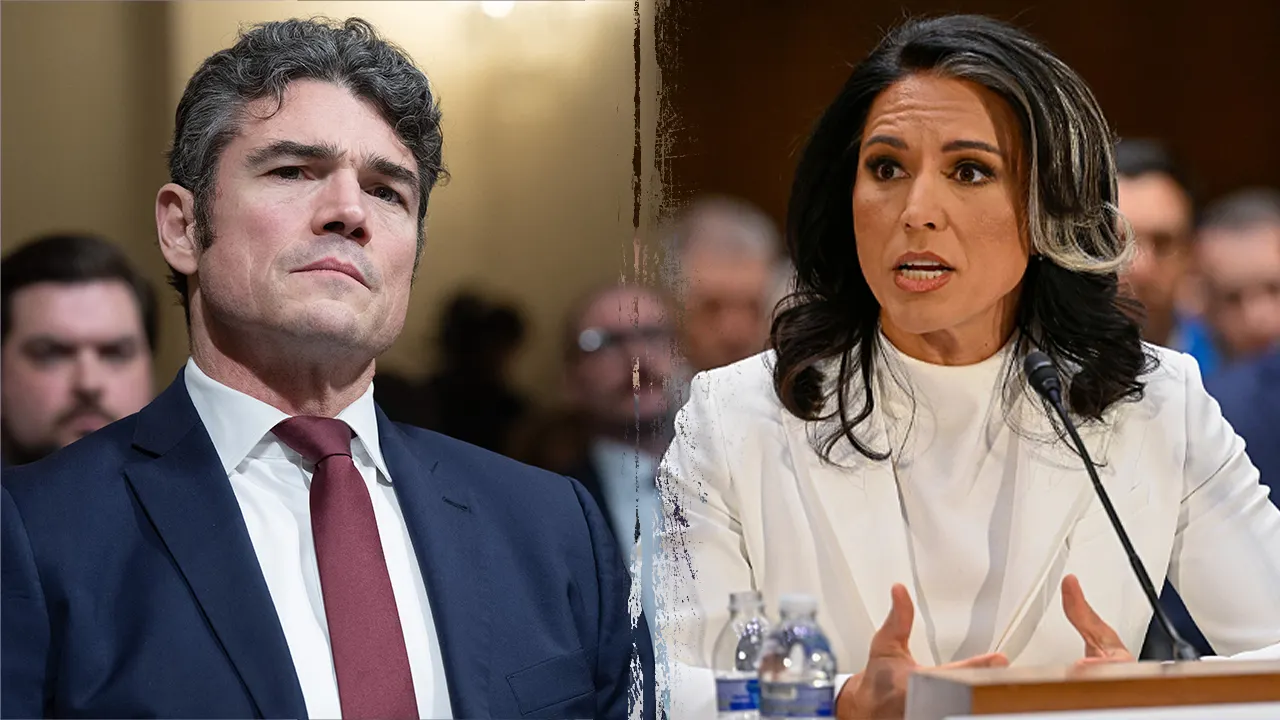
Director of National Intelligence Tulsi Gabbard was not informed that former National Counterterrorism Center Director Joe Kent was under FBI investigation for allegedly leaking classified information prior to his resignation this week, according to a senior intelligence official who spoke with Fox News Digital.
Kent resigned on Tuesday amid a public break with President Donald Trump over the administration’s Iran policy. In his resignation letter, Kent stated that Tehran posed “no imminent threat” to the United States, directly contradicting the administration’s justification for the ongoing military operation against Iran.
Sources familiar with the matter revealed that the FBI investigation into Kent’s alleged leaking of classified information had been underway for weeks before his departure. This timeline raises significant questions about information sharing within the intelligence community and how decisions regarding Kent’s access to sensitive information were managed.
FBI leak investigations are typically conducted with strict compartmentalization in early stages to prevent subjects from being alerted to the probe. However, the fact that the Director of National Intelligence remained unaware of an investigation into one of her senior officials highlights potential communication gaps between law enforcement and intelligence leadership.
During Kent’s final weeks in office, administration officials had already limited his access to sensitive information. Sources confirmed that Kent had been excluded from planning meetings related to Operation Epic Fury, the administration’s military campaign against Iran, as well as from the president’s daily intelligence briefings.
There appear to be conflicting accounts regarding Kent’s status before his resignation. One senior administration official described Kent as a “known leaker” and claimed Gabbard had ignored requests from the White House to terminate his employment. However, another official contradicted this characterization, stating that while the White House had expressed concerns about Kent to Gabbard, they had not explicitly asked for his dismissal. Meanwhile, an official from the Office of the Director of National Intelligence insisted that if the president had directly requested Kent’s termination, Gabbard would have complied.
As director of the National Counterterrorism Center, Kent occupied a critical position that typically involves access to some of the government’s most sensitive intelligence. The center is responsible for the integration and analysis of terrorism-related intelligence from across various agencies, making the position particularly sensitive from a national security perspective.
Gabbard has faced questioning about Kent’s claims during recent congressional hearings. In an exchange with Rep. Elise Stefanik (R-N.Y.), Gabbard was asked directly whether she agreed with statements from Kent’s resignation letter after Stefanik read portions aloud. Gabbard responded carefully, saying, “He said a lot of things in that letter,” and added that the president “makes his own decisions based on the information that’s available to him.” When pressed specifically on whether Kent’s comments concerned her, she offered a one-word response: “Yes.”
The situation highlights the ongoing tensions within the Trump administration regarding Iran policy. Operation Epic Fury has been described by the White House as a necessary response to imminent threats from Tehran, but Kent’s public rejection of that assessment—particularly from someone with access to classified intelligence—has created significant political complications.
Kent’s departure and the subsequent revelation of an FBI investigation also comes during a period of heightened scrutiny of the intelligence community, with questions about the handling of classified information taking center stage in public discourse.
Fox News Digital reached out to Gabbard, Kent and the FBI for comment, but no responses had been received at the time of publication.
Fact Checker
Verify the accuracy of this article using The Disinformation Commission analysis and real-time sources.

7 Comments
As someone who closely follows developments in the mining and energy sectors, I’m curious to see if this story has any ripple effects on commodity markets or related equities. Geopolitical tensions and government investigations can certainly impact investor confidence and commodity prices. I’ll be watching this story closely.
That’s an insightful observation. Any fallout from this situation could certainly reverberate through the mining and energy industries, especially if it raises concerns about political interference or instability. It will be important to monitor how the markets react in the coming days and weeks.
As someone with a keen interest in the mining and energy sectors, I’ll be watching this story closely to see if it has any impact on commodity prices or related equities. Geopolitical tensions and government investigations can certainly rattle investor confidence, so it will be important to monitor the market reactions. Transparency and information sharing between agencies are crucial in these types of situations.
Leaks of classified information are always concerning, but the circumstances around this particular case raise some red flags. The fact that the DNI was unaware of the investigation prior to the resignation is puzzling and suggests potential issues with internal communication and coordination. I’ll be following this story closely to see how it develops.
This certainly raises some concerning questions about information sharing and transparency within the intelligence community. Leaks of classified information are a serious issue, but the timeline around this investigation is puzzling. I wonder if there were any breakdowns in communication or coordination that led to the DNI being unaware of the probe prior to the resignation.
You make a good point. Proper information sharing and coordination between agencies is crucial, especially when sensitive investigations are underway. The details here seem murky and warrant further scrutiny.
This seems like a complex case with a lot of moving parts. I appreciate the senior official providing some transparency, but there are still a lot of unanswered questions around the timing and coordination of the investigation. Proper information sharing between intelligence agencies is crucial for maintaining public trust and ensuring national security.