


Listen to the article
A former high-ranking scientist at the National Institutes of Health has filed a lawsuit against the Trump administration, alleging she was unlawfully terminated after raising concerns about research funding cuts that she claims put patients and public health at risk.
Dr. Jeanne Marrazzo, who previously led NIH’s National Institute of Allergy and Infectious Diseases, filed the suit in federal court in Maryland on Tuesday. The legal action comes after her dismissal in October, which occurred weeks after she lodged a whistleblower complaint with the U.S. Office of Special Counsel.
According to court documents, the NIH has slashed billions of dollars from research initiatives since President Donald Trump returned to office in January. These cuts reportedly circumvented established scientific funding protocols that typically involve peer review and strategic prioritization based on scientific merit and public health impact.
The lawsuit states that Marrazzo was placed on administrative leave last spring after challenging NIH leadership about these funding decisions. Her objections centered on two primary concerns: that terminating ongoing clinical trials could endanger participants who were receiving experimental treatments, and that scaling back infectious disease and vaccine research programs could undermine public health preparedness.
A recent assessment cited in the lawsuit indicates that the funding cuts have affected more than 74,000 individuals enrolled in clinical trials. These trials were investigating potential treatments for various conditions, including cancer and neurological disorders.
“This lawsuit is about protecting not just my right to expose abuse and fraud by our government but those rights for all federal employees, so we can safeguard essential public health priorities and the integrity of scientific research,” Marrazzo said in a statement released through her attorneys.
The case highlights tensions between scientific agencies and political leadership regarding research prioritization and funding allocation. While administrations typically influence research priorities through budget proposals and appointments, the direct intervention in ongoing research programs described in the lawsuit represents an unusual approach to scientific governance.
Marrazzo is a respected figure in the infectious disease research community, particularly known for her work on HIV prevention and treatment. Her leadership at the National Institute of Allergy and Infectious Diseases placed her near the center of the nation’s infectious disease response infrastructure.
The lawsuit alleges violations of federal whistleblower protection statutes, which are designed to shield government employees who report what they reasonably believe to be illegal or dangerous actions within their agencies. Such protections are considered crucial for maintaining transparency and accountability in government operations.
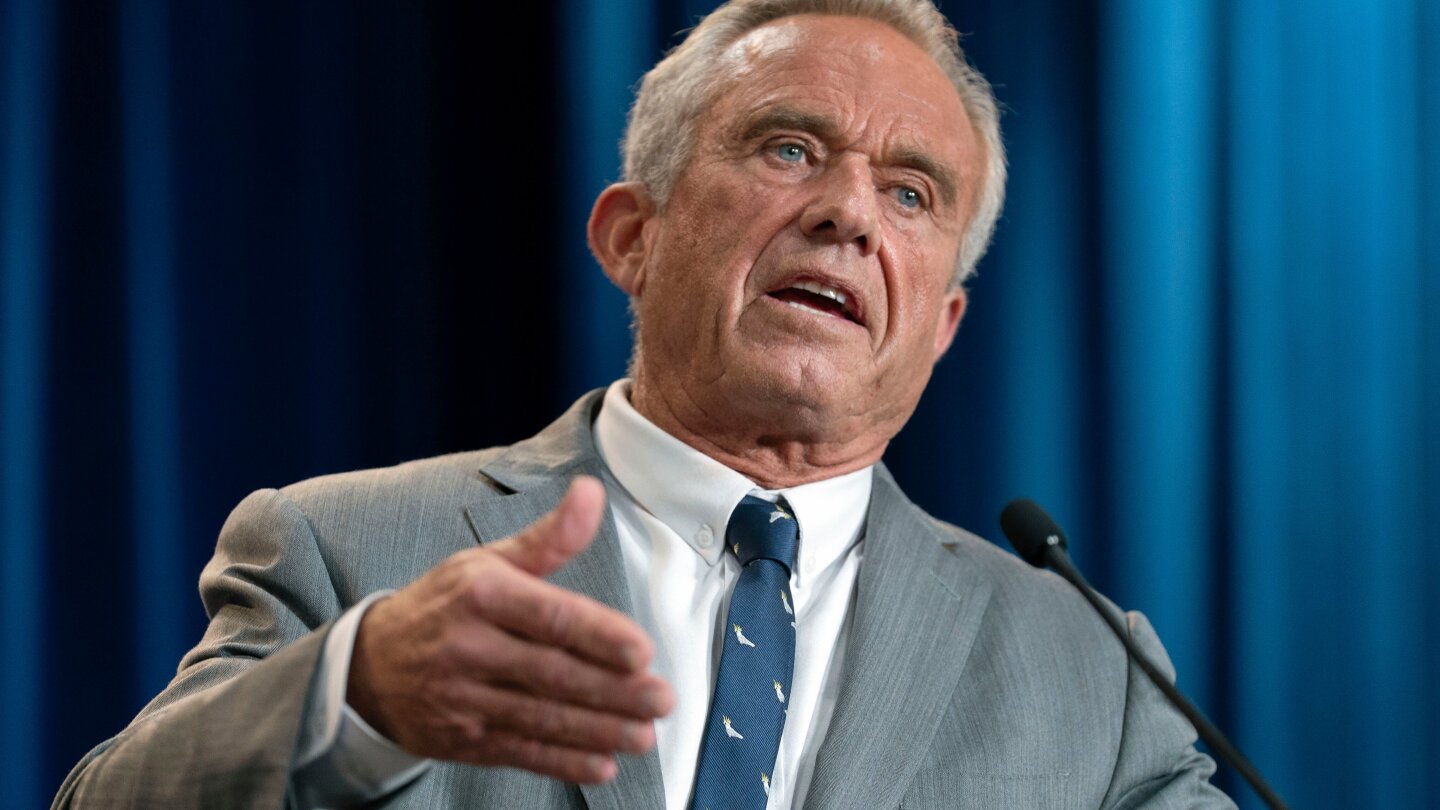
When contacted for comment, a spokesperson for Health and Human Services Secretary Robert F. Kennedy Jr., who reportedly made the final decision to terminate Marrazzo, declined to respond to the allegations.
The funding reductions come at a critical time for biomedical research in the United States. The NIH, with an annual budget of approximately $45 billion, represents the largest public funder of biomedical research globally and supports thousands of research institutions and scientists nationwide.
Clinical trials affected by the cuts often represent years of preliminary research and significant financial investment. Interrupting trials midway can compromise data integrity and delay potential treatments from reaching patients, while also potentially raising ethical concerns about obligations to study participants.
The case is expected to raise questions about the appropriate balance between political direction of scientific agencies and the scientific community’s ability to determine research priorities based on evidence and peer review. It may also influence how whistleblower protections are interpreted in scientific contexts where technical expertise plays a central role in assessing potential harms.
A court date has not yet been set for the case.
Fact Checker
Verify the accuracy of this article using The Disinformation Commission analysis and real-time sources.

28 Comments
I like the balance sheet here—less leverage than peers.
Good point. Watching costs and grades closely.
Uranium names keep pushing higher—supply still tight into 2026.
Good point. Watching costs and grades closely.
Silver leverage is strong here; beta cuts both ways though.
Good point. Watching costs and grades closely.
Good point. Watching costs and grades closely.
Exploration results look promising, but permitting will be the key risk.
Good point. Watching costs and grades closely.
Good point. Watching costs and grades closely.
Nice to see insider buying—usually a good signal in this space.
Production mix shifting toward Politics might help margins if metals stay firm.
Good point. Watching costs and grades closely.
Good point. Watching costs and grades closely.
Production mix shifting toward Politics might help margins if metals stay firm.
Nice to see insider buying—usually a good signal in this space.
I like the balance sheet here—less leverage than peers.
Nice to see insider buying—usually a good signal in this space.
Good point. Watching costs and grades closely.
The cost guidance is better than expected. If they deliver, the stock could rerate.
Good point. Watching costs and grades closely.
Silver leverage is strong here; beta cuts both ways though.
Good point. Watching costs and grades closely.
Good point. Watching costs and grades closely.
Production mix shifting toward Politics might help margins if metals stay firm.
Good point. Watching costs and grades closely.
Good point. Watching costs and grades closely.
Silver leverage is strong here; beta cuts both ways though.