


Listen to the article
Maine Repurposes Funds to Keep Heat On Amid Federal Shutdown
Setting the thermostat at 60 degrees was once routine for Gerard Berry, even during Maine’s harsh winters. Then stomach cancer changed everything.
“I used to tell the kids, ‘Put a sweatshirt on.’ But when I got sick, I got really thin, and we had to push it up a lot more,” said Berry, 47, from Baileyville. “We burned a lot more fuel last year than we ever did.”
Berry’s family of seven received crucial heating assistance last winter. Now, as temperatures drop across the Northeast, Maine officials are scrambling to maintain such lifelines amid the ongoing federal government shutdown.
The emergency heating assistance program that typically launches November 1 and helps 7,000 Maine families annually remains in limbo. In response, MaineHousing has taken extraordinary measures, reallocating $2.2 million originally designated for weatherization projects to provide initial payments for approximately 4,000 households that submitted early applications to the Low-Income Home Energy Assistance Program (LIHEAP).
“This will get the trucks rolling,” said Dan Brennan, director of the quasi-state agency. Over the coming weeks, households that applied in August and September will see funds credited to their accounts with fuel vendors.
“This will help prevent heating emergencies for our most vulnerable neighbors, family members, and friends,” Brennan added.
The temporary solution reflects growing concern across New England, where the shutdown’s impact on federal energy assistance programs carries particularly severe consequences. While the $4.1 billion LIHEAP program aids 5.9 million households nationwide with heating and cooling costs, New England’s heavy reliance on heating oil creates unique vulnerabilities.
Unlike electric and natural gas utilities, which typically face restrictions on service disconnections during winter months, heating oil delivery requires upfront payment. More than half of Maine households depend on oil heat, leaving them particularly exposed to interruptions in assistance.
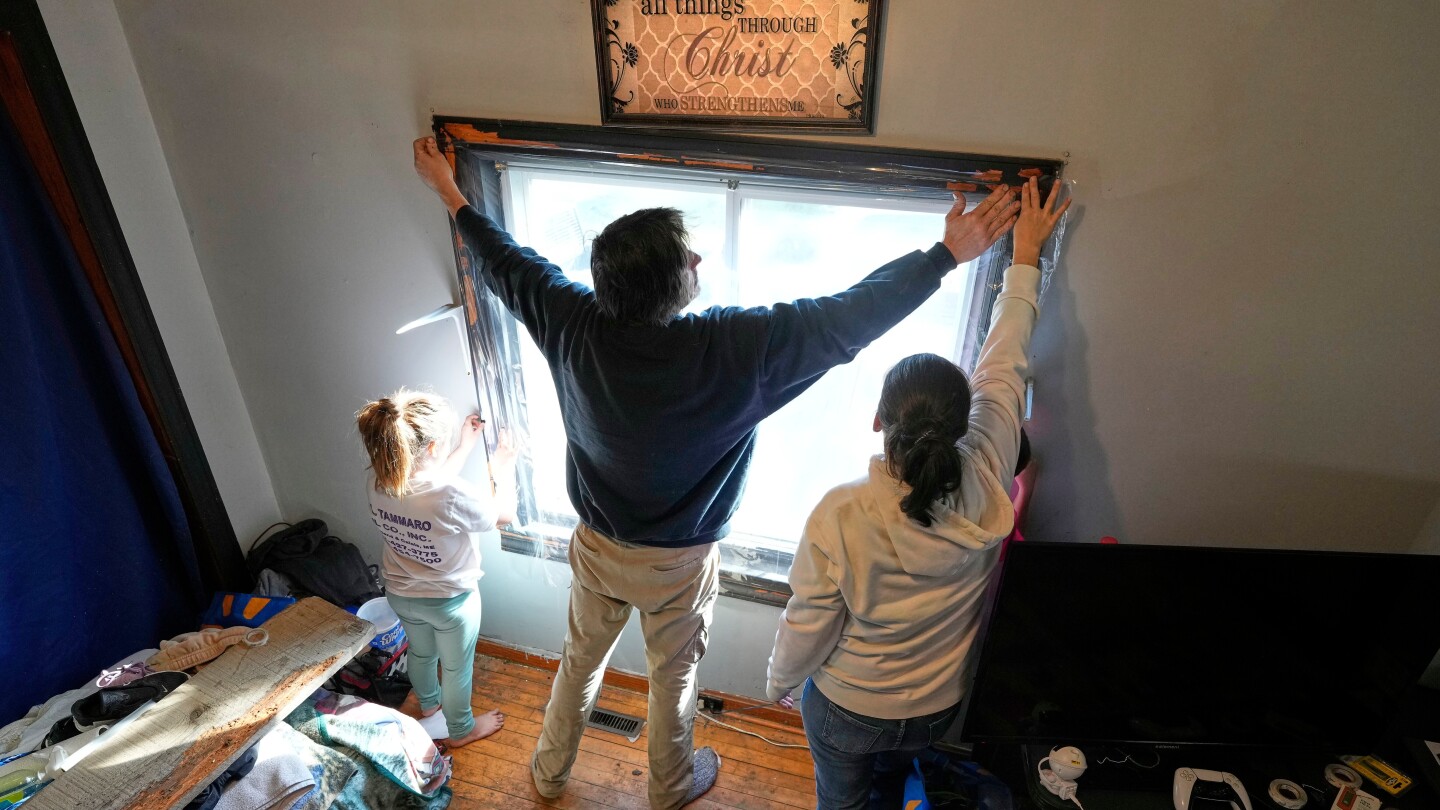
The situation is especially troubling for rural communities near the Canadian border, where winter temperatures routinely plunge well below freezing. In Baileyville, Berry has employed various strategies to conserve heat, including covering windows with plastic and placing blankets under doors to block drafts.
Beyond government assistance, Berry benefited from a regional charitable initiative called “The Heating and Warmth Fund” (THAW), which provides fuel donations in Hancock and Washington counties. His church community also rallied around him during his health crisis, which included a severe lung infection, sepsis, and major surgery to remove portions of his stomach and colon.
“The thing about having faith is, you don’t have to worry. Like, God’s got me no matter what,” he said. “But I know that a lot of people are really freaking out. They’re really nervous, and it’s sad to me.”
The heating crisis comes as propane and heating oil prices remain elevated across the Northeast. Although prices have moderated slightly from last year’s peaks, the average cost to fill a standard 275-gallon oil tank still exceeds $900 in many parts of Maine—a substantial expense for households already struggling with inflation in food and housing costs.
State energy officials estimate that the average Maine household will spend approximately $3,300 on heating oil this winter, representing nearly 10% of annual income for families at the poverty line.
Berry, who describes himself as “very conservative,” expressed frustration with both political parties during the ongoing government standoff. His illness, he said, prompted him to focus less on national politics and more on community-level solutions.
“Hopefully people are waking up, but hopefully they wake up in the right way,” he reflected. “Instead of waking up and being like, ‘Let’s start a revolution!’ Let’s wake up and let’s go shake hands with our neighbors.”
As winter approaches, Maine’s stopgap measure will provide temporary relief, but state officials caution that without resolution to the federal shutdown, more extensive assistance programs remain uncertain heading into the coldest months of the year.
Fact Checker
Verify the accuracy of this article using The Disinformation Commission analysis and real-time sources.

16 Comments
This situation highlights the critical importance of energy assistance programs, especially for vulnerable populations like cancer patients. I hope Maine can find a way to sustain this vital lifeline during the federal shutdown.
It’s good to see the state taking quick action to reallocate funds and get assistance to those in need. Heating support is a basic human necessity that shouldn’t be jeopardized by political gridlock.
Forcing a cancer patient to choose between heating their home and other necessities is inhumane. While Maine’s actions are admirable, the federal government must take responsibility and restore funding for LIHEAP and other vital social services.
This story is a sobering reminder that political gridlock has very real human costs. I hope a permanent solution can be found to ensure vulnerable populations have access to the energy assistance they need, regardless of the federal government’s dysfunction.
Forcing a cancer patient to choose between heating their home and other necessities is a disgrace. While Maine’s response is commendable, the federal government must take responsibility and restore funding for LIHEAP and other vital social programs to protect the most vulnerable.
This is a distressing situation that highlights the real-world consequences of the federal shutdown. I’m glad Maine is stepping in, but the state shouldn’t have to shoulder this burden alone. Congress needs to resolve the impasse and restore crucial funding for energy assistance.
The federal shutdown’s impact on this cancer patient’s ability to stay warm is a heartbreaking reminder of how political dysfunction can directly harm vulnerable people. Maine’s actions are admirable, but the ultimate responsibility lies with the federal government to restore funding for critical social services.
This is an unacceptable situation that should never have occurred. I hope a permanent solution can be found to ensure no one has to choose between their health and staying warm, regardless of the political climate in Washington.
This is a deeply concerning situation that underscores the very human toll of the federal government’s failure to fulfill its basic responsibilities. I’m glad Maine is stepping in, but a sustainable, nationwide solution is desperately needed to protect at-risk individuals from the consequences of political gridlock.
This is a heartbreaking situation that highlights the real-world consequences of the federal shutdown. Kudos to Maine for taking action to help families in need, but the long-term solution must come from Washington restoring critical funding for LIHEAP and other social programs.
It’s unconscionable that a cancer patient has to worry about staying warm due to political dysfunction in DC. The federal government has an obligation to ensure vulnerable populations have access to essential services, regardless of the state of budget negotiations.
This is a heartbreaking story. A cancer patient struggling to stay warm due to the federal government shutdown is unacceptable. I’m glad Maine is stepping up to provide emergency heating assistance, but the long-term solution needs to come from Washington.
The federal government has a responsibility to ensure essential services and aid programs remain available, especially for the most vulnerable. This situation is a stark reminder of the human cost of political dysfunction.
The federal government’s inability to keep the lights on and heat flowing for struggling families like the Berrys is unacceptable. I commend Maine for stepping up, but this problem requires a national solution to protect the most vulnerable.
It’s commendable that Maine is taking proactive measures to help families like Gerard Berry’s during this difficult time. Energy assistance should not be a partisan issue – it’s a basic need that the government must prioritize.
The shutdown’s impact on this cancer patient’s ability to stay warm is deeply concerning. I hope a long-term solution can be found soon to restore critical federal funding for LIHEAP and similar programs.