


Listen to the article
President Trump’s claim that each military strike on suspected drug boats saves 25,000 American lives has come under scrutiny from public health experts, who describe the assertion as mathematically impossible and lacking credibility.
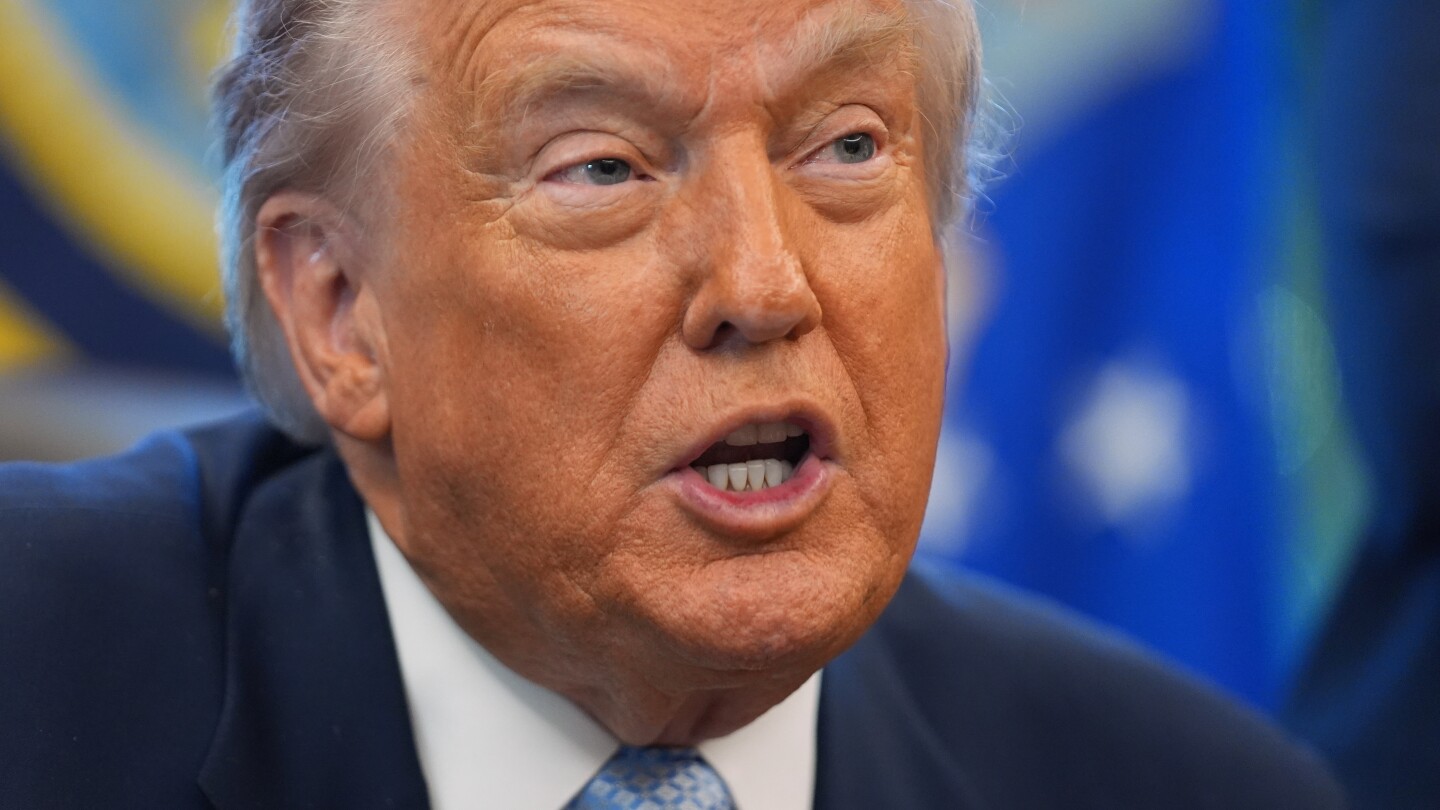
Since early September, the Trump administration has conducted 21 military strikes against vessels in the Caribbean Sea and eastern Pacific Ocean, actions the president claims are preventing drugs from reaching American shores. During a press conference on Monday about expediting visa interviews for World Cup travelers, Trump reiterated his assertion: “Every boat we knock out, we save 25,000 American lives.”
However, a closer examination of the numbers reveals significant discrepancies. Using the president’s calculation, the 21 boat strikes would have saved 525,000 lives over the past two months—a figure that far exceeds the total annual drug overdose deaths in the United States.
According to preliminary data from the Centers for Disease Control and Prevention (CDC), approximately 97,000 drug overdose deaths occurred in the U.S. during the 12-month period ending June 30, representing a 14% decrease from the previous year’s estimate of 113,000. Final CDC data shows 53,336 overdose deaths in 2024 and 75,118 in 2023.
“The statement that each of the administration’s strikes on alleged drug-smuggling boats saves 25,000 lives is absurd,” said Carl Latkin, a professor of public health at Johns Hopkins University who studies substance use. Latkin compared the claim’s credibility to suggesting the moon is made of blue cheese.
Lori Ann Post, director of the Institute for Public Health and Medicine at Northwestern University, explained there is “no empirically sound way” to link a single strike to saving 25,000 lives. She cited multiple issues with this calculation, including lack of verifiable cargo data, absence of published models linking boat strikes to changes in drug use patterns, and the adaptability of drug markets to isolated supply disruptions.
When asked for evidence supporting Trump’s claims, White House spokesperson Anna Kelly defended the president’s position, stating: “Any boat bringing deadly poison to our shores has the potential to kill 25,000 Americans or more. The President is prepared to use every element of American power to stop drugs from flooding into our country.”
Public health experts have also pointed out that the claim ignores the complex realities of drug trafficking. Latkin noted that shutting off one source of illegal drugs would not significantly impact overall supply, comparing it to closing a few fast food restaurants and expecting improved health outcomes nationwide.
The administration’s focus on Caribbean Sea operations may also misalign with current trafficking patterns. CDC data indicates opioids accounted for 73.4% of drug overdose deaths in 2024, with 65.1% attributed specifically to illegally manufactured fentanyls. However, fentanyl typically enters the United States through overland routes from Mexico, where it is produced using chemicals imported from China and India—not via Caribbean maritime routes.
The recent decline in overdose deaths that began in 2023 has continued, according to CDC data. Experts attribute this improvement to multiple factors, including the end of the COVID-19 pandemic, increased availability of the overdose-reversing drug naloxone, better access to addiction treatments, and changes in the drug supply itself.
Trump has justified the military strikes by claiming the U.S. is in “armed conflict” with drug cartels and asserting the boats are operated by foreign terrorist organizations. However, neither the president nor his administration has publicly confirmed the quantity of drugs allegedly destroyed during these operations.
As the debate continues over the efficacy of these maritime interdiction efforts, public health experts maintain that addressing America’s drug crisis requires a more comprehensive and evidence-based approach than isolated military actions.
Fact Checker
Verify the accuracy of this article using The Disinformation Commission analysis and real-time sources.

10 Comments
The president’s claim about the lives saved per boat strike seems mathematically impossible and lacks credibility according to public health experts. Policymaking on sensitive topics like this should be grounded in rigorous analysis, not unverified statistics.
I agree, the numbers just don’t add up. It’s crucial that decision-makers rely on reliable data and objective assessments, not unsubstantiated rhetoric, when addressing complex challenges like drug trafficking and national security.
While the administration’s focus on disrupting drug trafficking is understandable, the specific figures cited by the president appear to be grossly exaggerated and lacking in credible evidence. Policymaking should rely on rigorous data, not unsubstantiated assertions.
Absolutely. Transparent, evidence-based approaches are critical when it comes to complex issues like drug policy and national security. Unfounded claims can undermine public trust and hinder the development of effective solutions.
While disrupting drug trafficking is important, the president’s specific claims about lives saved per boat strike appear to be exaggerated and not supported by the data. Policymaking should be grounded in rigorous analysis, not unverified statistics.
Exactly. Reliable data and evidence-based decision-making are crucial when it comes to complex issues like drug policy and national security. Unfounded claims can undermine public trust and hinder effective solutions.
The CDC data on overdose deaths seems to contradict the president’s assertion that each boat strike saves 25,000 lives. It’s important to be cautious about making such dramatic claims without solid proof, especially on sensitive topics like this.
I agree, the numbers just don’t add up. Fact-checking and objective analysis are essential to ensure drug policy and enforcement efforts are based on reality, not political rhetoric.
Interesting claims by the president, but the numbers don’t seem to add up. Public health experts are right to scrutinize the lack of credible evidence. Drug policy and enforcement are complex issues that require careful analysis, not unsubstantiated assertions.
I agree, the data and math behind these claims are highly questionable. We need transparent, fact-based approaches to tackling drug-related challenges, not misleading rhetoric.