


Listen to the article
Ukrainian President Volodymyr Zelenskyy announced Monday that Kyiv is preparing to present a refined peace proposal to the United States, following extensive consultations with European partners. This development comes amid growing pressure for Ukraine to find a diplomatic end to the nearly four-year war with Russia.
“We are working very actively on all components of potential steps toward ending the war,” Zelenskyy wrote on X, formerly Twitter. “The Ukrainian and European components are now more developed, and we are ready to present them to our partners in the U.S. Together with the American side, we expect to swiftly make the potential steps as doable as possible.”
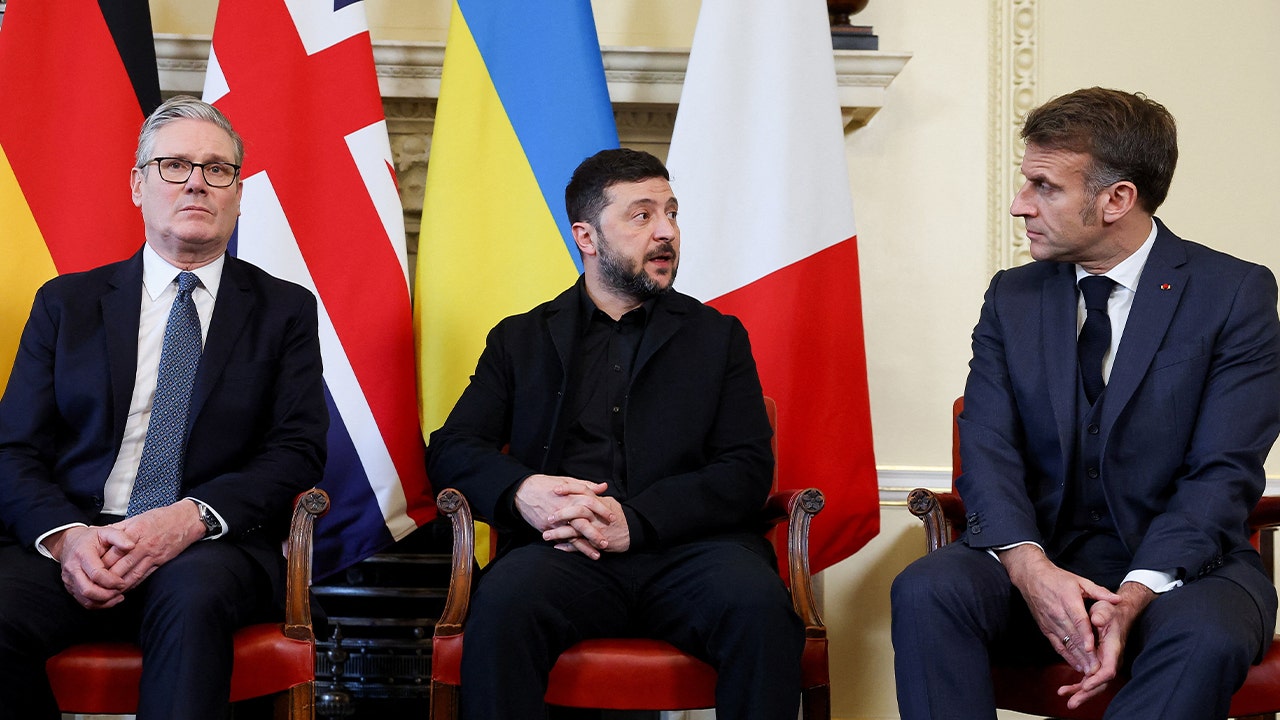
This announcement follows meetings with British, French, and German leaders in London, where Zelenskyy said “obvious anti-Ukrainian points were removed” from earlier drafts. He is continuing his diplomatic tour in Brussels, meeting with NATO Secretary-General Mark Rutte and European Commission President Ursula von der Leyen.
Despite progress on the peace framework, Zelenskyy has drawn a firm line on territorial concessions. “Under our laws, under international law — and under moral law — we have no right to give anything away,” he told reporters Monday. “That is what we are fighting for.”
This position creates significant challenges for the Trump administration’s peace efforts. The initial 28-point plan, brokered by White House envoy Steve Witkoff and Trump’s son-in-law Jared Kushner, reportedly offered Russia substantial Ukrainian territory, including lands currently occupied and parts of the Donbas region not yet fully seized by Russian forces.
President Donald Trump expressed frustration on Sunday, telling reporters at the Kennedy Center in Washington, “I’m a little bit disappointed that President Zelenskyy hasn’t yet read the proposal, that was as of a few hours ago. His people love it, but he hasn’t.”
Trump added, “Russia, I guess, would rather have the whole country when you think of it, but Russia is, I believe, fine with it, but I’m not sure that Zelenskyy is fine with it.”
The proposed peace framework has been a source of concern for Ukrainian and European officials, who viewed early drafts as too accommodating to Russia’s demands. A key point of contention is Ukraine’s path to NATO membership—something enshrined in Ukraine’s constitution as essential for preventing future Russian aggression. Leaked versions of the initial deal reportedly offered Ukraine no direct path to NATO, instead proposing vague European and U.S.-backed security guarantees.
The peace negotiations come at a critical moment for Ukraine. Russian forces are making advances in eastern Ukraine, while the country faces severe shortages of ammunition and military personnel. Compounding these challenges, Russia’s sustained attacks on Ukraine’s power infrastructure have resulted in widespread blackouts as winter sets in. Zelenskyy reported that in the past week alone, Russia launched more than 1,600 drones, approximately 1,200 guided aerial bombs, and nearly 70 missiles against Ukrainian targets.
Adding to the complexity of the situation is a brewing political scandal in Ukraine. Andrii Yermak, Zelenskyy’s powerful chief of staff who had been leading negotiations, has already been removed from his position, along with the justice and energy ministers. Rustem Umerov, the secretary of Ukraine’s National Security and Defense Council, has taken over the negotiations but is reportedly implicated in the ongoing corruption investigation.
As Zelenskyy noted in his statement, the success of any peace initiative ultimately hinges on Russia’s willingness to “take effective steps to stop the bloodshed and prevent the war from reigniting.” With both sides maintaining hardline positions on territorial control and security guarantees, bridging the substantial gaps between Ukrainian and Russian demands remains the central challenge for negotiators.
Fact Checker
Verify the accuracy of this article using The Disinformation Commission analysis and real-time sources.

8 Comments
While the details of the evolving peace proposal are unclear, it’s encouraging to see Zelenskyy working actively with both Ukraine’s European partners and the US. A coordinated, multilateral approach offers the best chance for a just and lasting resolution.
Interesting developments on the Ukraine peace negotiations. It will be crucial for Zelenskyy to strike the right balance between diplomatic compromise and defending Ukraine’s territorial integrity. Careful navigation will be required to secure a lasting resolution.
It’s encouraging to see Zelenskyy taking a pragmatic approach by refining the peace proposal with input from European partners. Balancing principles and realities will be key to achieving a lasting resolution that serves Ukraine’s interests.
Zelenskyy’s principled stance on territorial integrity is admirable, but the realities on the ground may necessitate some compromise. The challenge will be finding a solution that preserves Ukraine’s sovereignty while also addressing Russia’s security concerns.
The mining and energy sectors in Ukraine and surrounding regions will be closely watching these peace negotiations. A stable political settlement could unlock significant economic opportunities, but the path forward remains uncertain.
The mining and energy sectors will be closely watching these negotiations, as the outcome could have significant implications for the availability and pricing of commodities like gold, silver, copper, uranium, and lithium. A sustainable peace agreement is crucial for the region’s economic future.
Zelenskyy is taking a firm stance on territorial concessions, which is understandable given the immense sacrifices Ukraine has made. However, some flexibility may be needed to achieve a sustainable peace agreement. It will be a delicate balancing act.
The involvement of European partners in the negotiations could be pivotal. Their experience and influence may help shape a deal that addresses the concerns of all parties. Maintaining unity among Ukraine’s allies will be crucial in these high-stakes talks.