


Listen to the article
EPA Administrator Zeldin Completes 50-State Tour, Implements Policy Reforms Amid Mixed Reactions
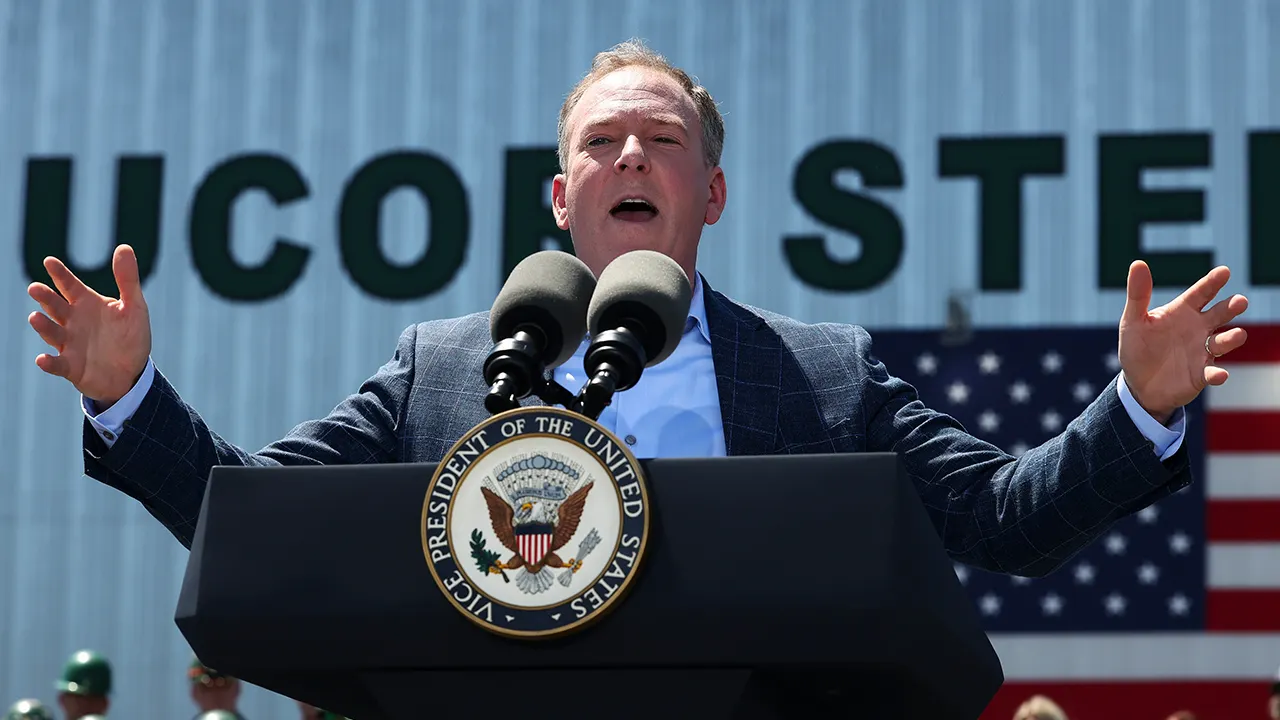
Environmental Protection Agency Administrator Lee Zeldin has concluded a nine-and-a-half month tour across all 50 states, where he engaged with individuals directly impacted by EPA policies. The nationwide tour, which wrapped up Friday, resulted in several significant policy changes and initiatives under the Trump administration.
During his travels, Zeldin implemented several notable reforms. Among the most significant was a Memorandum of Understanding with Mexico addressing the decades-old problem of sewage spillage from the Tijuana River into Southern California. This raw sewage has forced beach closures, damaged the regional economy, and caused illness on both sides of the border.
“From business owners to trade workers, elected officials to residents impacted by environmental challenges, I’ve been soliciting feedback on any and every way the Trump EPA can fix everything,” Zeldin stated following the completion of his tour.
In Missouri, Zeldin released an update on the West Lake Landfill Superfund Site and Coldwater Creek cleanup efforts. According to the EPA, the new timeline will cut two years off the initial start date, with complete waste removal now scheduled for completion by 2038.
The tour also resulted in the rescission of guidance related to the Clean Air Act Section 179B Demonstrations. The EPA under Zeldin claims the previous guidance made it unnecessarily difficult for states to prove that foreign air pollution, rather than domestic emissions, was harming Americans. This issue was particularly significant for elected officials and business owners in Arizona and Utah.
Part of this reform includes a reevaluation of federal determinations regarding how international emissions affect residents in Utah’s Wasatch Waterfront area.
In Iowa, Zeldin announced new actions aimed at supporting farmers, truckers, and others who operate diesel-fueled equipment. Working alongside the U.S. Small Business Administration, the EPA is pushing engine and equipment manufacturers to revise emissions control system software in existing vehicles. The current systems have reportedly been causing sudden speed and power losses, resulting in significant compliance costs for businesses.
Zeldin also visited sites of environmental disasters during his tour, including East Palestine, Ohio, which continues to deal with the aftermath of a major chemical spill that occurred during the Biden administration. He also traveled to Los Angeles, which has recently experienced several devastating wildfires.
However, environmental advocates have expressed strong opposition to Zeldin’s approach at the EPA. Alex Formuzis, spokesperson for the Environmental Working Group, criticized the administrator’s priorities.
“Administrator Zeldin is supposed to safeguard the environment and public health, yet under his watch the Trump EPA is fast-tracking new pesticides — including several containing PFAS ‘forever chemicals’ that build up in our bodies and never break down,” Formuzis told Fox News Digital.
Environmental groups have taken legal action against Zeldin’s EPA over numerous regulatory rollbacks. Earthjustice Action and WE ACT for Environmental Justice recently challenged Zeldin’s efforts to eliminate federal greenhouse gas reporting rules in a November 3 filing.
“The climate crisis is a public health crisis, and EPA’s proposed repeal of the Greenhouse Gas Reporting Program will exacerbate both,” the groups stated in their filing.
Formuzis characterized Zeldin’s approach as “a wholesale retreat from facts, science and environmental and public health protection,” adding that it was “hardly an agenda to make Americans healthy.”
The contrasting perspectives highlight the ongoing tension between the Trump administration’s regulatory approach, which focuses on reducing business compliance costs and regulatory burdens, and environmental advocates’ concerns about long-term public health and climate impacts. As these policy changes continue to roll out, their effects on both industry operations and environmental protection will likely remain contentious political issues.
Fact Checker
Verify the accuracy of this article using The Disinformation Commission analysis and real-time sources.

14 Comments
While the EPA administrator’s nationwide tour and policy changes aim to address environmental issues, the criticism of deregulation efforts suggests there’s still a balance to be struck. It will be interesting to see how this plays out.
Exactly. Finding the right balance between environmental protection and economic considerations is an ongoing challenge for policymakers.
The EPA’s work on cross-border pollution issues like the Tijuana River is encouraging. Collaborating with Mexico to find solutions for these long-standing problems could have a real impact on affected communities.
Agreed. International cooperation is key for addressing environmental challenges that span borders.
Cleaning up Superfund sites like West Lake Landfill is crucial for protecting public health and the environment. I’m hopeful the EPA’s updated timeline will lead to tangible progress on these complex remediation efforts.
Me too. Superfund site cleanups can be notoriously slow, so any acceleration in the process would be welcome news.
While the EPA chief’s nationwide tour and policy changes seem aimed at addressing environmental concerns, there are likely still critics who feel the administration is too focused on deregulation. It will be interesting to see how this balances out.
That’s a fair point. Achieving the right balance between environmental protection and economic considerations is always a challenge for policymakers.
The West Lake Landfill and Coldwater Creek cleanup efforts in Missouri are important environmental issues. I’m curious to learn more about the EPA’s updated timeline and plans for addressing these long-standing problems.
Yes, I hope the new timeline leads to tangible progress on these complex Superfund site cleanups.
The collaboration with Mexico to address the Tijuana River pollution issue is a positive step. Cross-border environmental problems require international cooperation to find effective solutions.
Agreed. Tackling shared environmental challenges through bilateral agreements can lead to better outcomes for all impacted communities.
Interesting to see the EPA administrator taking a hands-on approach and directly engaging with impacted communities. Addressing cross-border pollution issues like the Tijuana River spillage seems like a positive step.
I agree, taking the time to listen to stakeholders and understand local challenges is important for effective policymaking.