


Listen to the article
Justice Department Struggles to Secure Convictions Against Immigration Protesters
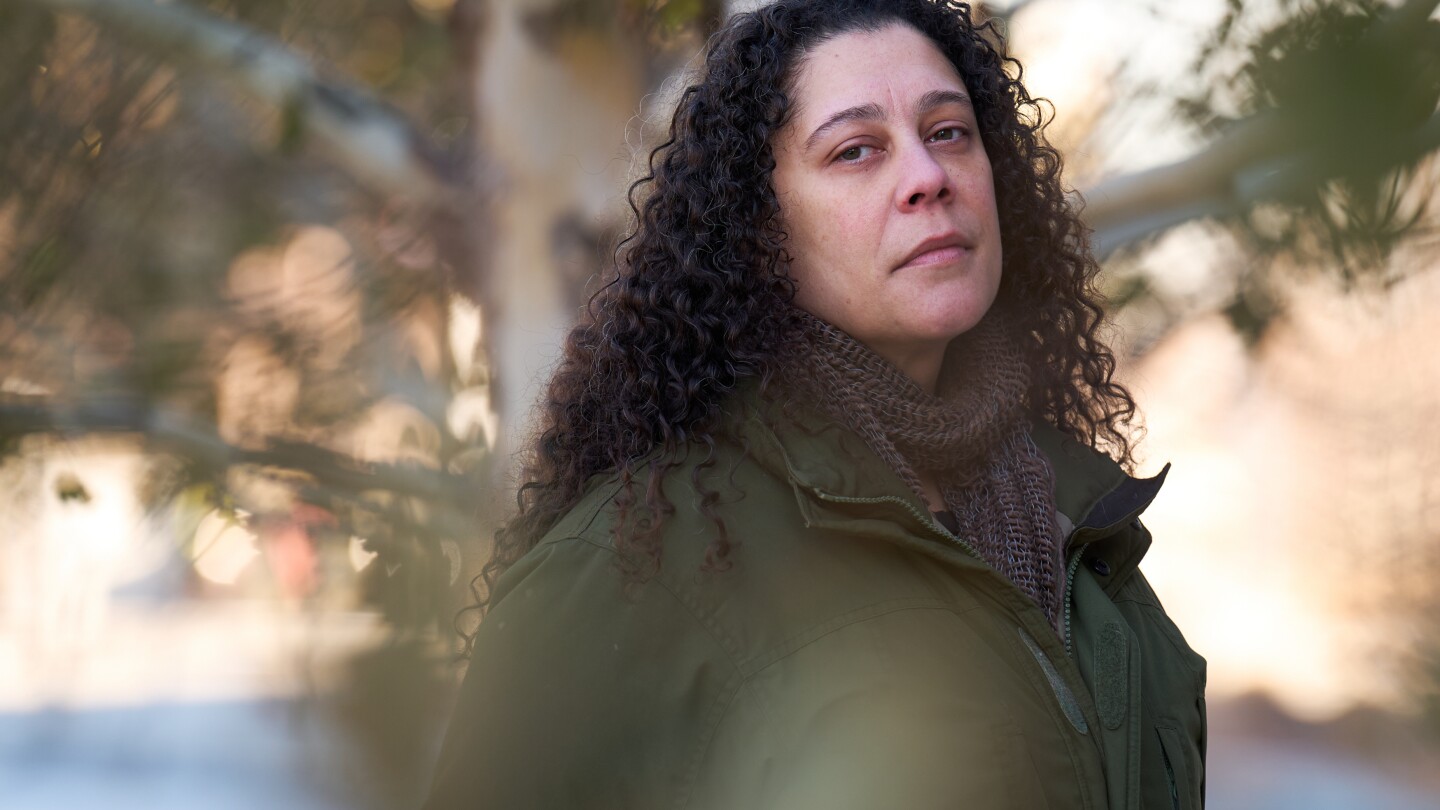
The federal agent described her wounds as “boo-boos.” Nevertheless, the Department of Justice aggressively pursued the alleged perpetrator, Sidney Lori Reid, jailing her on a felony assault charge for allegedly injuring the agent during a July protest against President Donald Trump’s immigration policies in Washington, D.C.
When grand jurors three times declined to indict the 44-year-old animal hospital worker on the felony, prosecutors tried her on a misdemeanor instead.
Body camera footage revealed at trial that Reid had not intentionally struck the agent. Rather, the agent had scratched her hand on a wall while assisting another agent who had shoved Reid and told her to “shut the f— up” and “mind her own business.” It took jurors less than two hours to acquit her.
“It seemed like my life was just going to be taken away from me,” said Reid, who spent two days in jail and worried about losing her new job and apartment. “It broke my heart because this is supposed to be a good and fair country, and I did not see anything surrounding my case that was good or fair at all for anybody.”
Reid’s case exemplifies the Justice Department’s months-long effort to prosecute people accused of assaulting or hindering federal officers during protests against Trump’s immigration crackdown. Attorney General Pam Bondi has ordered prosecutors to charge those accused with “the highest provable offense available under the law,” pledging “severe consequences” for offenders.
But an Associated Press analysis of 166 federal criminal cases brought since May against protesters in four Democratic-led cities reveals the Justice Department has struggled to deliver on these commitments.
Of the 100 people initially charged with felony assaults on federal agents, 55 saw their charges reduced to misdemeanors or dismissed entirely. At least 23 pleaded guilty, mostly to reduced charges in deals with prosecutors that resulted in little or no jail time. More than 40% of cases involved relatively minor misdemeanor charges, undermining Trump’s claims that many defendants are domestic terrorists. All five defendants who went to trial, including Reid, were acquitted.
Prosecutors have successfully secured felony indictments against 58 people, accusing them of various assaults including throwing rocks at federal vehicles or punching and kicking officers. These cases are still awaiting trial.
Several factors explain these mixed results. In some instances, prosecutors failed to secure grand jury indictments necessary for felony charges. In others, video evidence and testimony contradicted initial allegations. Many cases featured only minor injuries to officers, or none at all, undercutting key elements of felony assault charges that require the potential for serious bodily harm.
“It’s clear from this data that the government is being extremely aggressive and charging for things that ordinarily wouldn’t be charged at all,” said Mary McCord, a former federal prosecutor who directs Georgetown University Law Center’s Institute for Constitutional Advocacy. “What’s missing here is any respect for First Amendment rights. They appear to want to chill people from protesting against the administration’s mass deportation plans.”
The Trump administration has deployed—or sought to deploy—troops to Washington, Los Angeles, Portland, and Chicago, where the AP examined criminal cases. Judges have blocked deployments in Portland and Chicago, citing insufficient evidence of organized rebellion and finding that administration officials often exaggerated or lied about threats posed by protesters.
Trump and his administration have justified military deployments partly by characterizing immigration protesters as “antifa,” which the president has sought to designate as a “domestic terrorist organization.” However, the AP found only scattered references to “antifa” in court records across the 166 cases reviewed.
No case was found in which federal authorities officially accused a protester of being a “domestic terrorist” or part of an organized effort to attack federal agents. In some cases, prosecutors’ initial allegations dramatically unraveled under scrutiny.
Take Marimar Martinez, a 30-year-old teaching assistant charged with a felony in October for allegedly trying to ram her car into a Border Patrol agent in Chicago. A Department of Homeland Security press release labeled her a “domestic terrorist.”
However, video footage later showed a Border Patrol agent steering his vehicle into Martinez’s truck, not the other way around. Text messages revealed the agent bragging about his marksmanship after shooting Martinez five times: “I fired 5 rounds and she had 7 holes,” he texted colleagues. “Put that in your book boys.” Prosecutors dismissed all charges, but Martinez’s attorney noted that her “life is changed forever” due to her injuries and being publicly branded a terrorist.
Former federal prosecutors expressed surprise at the Justice Department’s decision to take five misdemeanor cases to trial and lose all of them. “When the DOJ tries to take a swing at someone, they should hit 99.9% of the time. And that’s not happening,” said defense attorney Ronald W. Chapman II.
Legal experts emphasized that even when charges are dropped or reduced, defendants face significant consequences, including legal expenses, jail time, potential job loss, and family disruption.
DHS Assistant Secretary Tricia McLaughlin defended the enforcement actions: “Rioters and violent criminals have threatened our law enforcement officers, thrown rocks, bottles, and fireworks at them, slashed the tires of their vehicles, rammed them, ambushed them, and even shot at them.”
However, the Justice Department’s mixed record in prosecuting these cases raises serious questions about the characterization of protesters and the aggressive charging decisions that have impacted individuals like Reid and Martinez, whose lives were upended by prosecutions that ultimately failed to hold up in court.
Fact Checker
Verify the accuracy of this article using The Disinformation Commission analysis and real-time sources.

7 Comments
This is a troubling pattern of overreach by the DOJ in pursuing immigration-related cases. Prosecutors should focus on legitimate threats, not innocuous protest activities, and ensure due process is upheld. Misuse of the justice system to stifle dissent is unacceptable.
Agreed. The DOJ needs to be more judicious in assessing cases and prioritizing resources. Pursuing weak charges against peaceful protesters only erodes public trust in the system.
This is a disturbing pattern of overzealous prosecution that undermines the principles of justice. The DOJ should be upholding the rights of citizens to peacefully protest, not wielding the legal system as a weapon against dissent.
Absolutely. These cases highlight the need for greater oversight and accountability within the DOJ to ensure fair and proportionate application of the law, rather than politically-motivated overreach.
The collapse of these cases is a worrying sign that the DOJ has been too eager to make examples of immigration protesters, even when the evidence does not support the charges. Prosecutors must exercise greater discretion and focus on legitimate threats, not peaceful dissent.
This case highlights the challenges prosecutors face in proving intent and justifying aggressive prosecution tactics, especially when video evidence contradicts the initial claims. It’s concerning to see such heavy-handed responses to protest activity, even if not warranted by the facts.
While the administration may have wanted to send a strong message, these crumbled cases suggest the DOJ overstepped in its zeal to crack down on immigration protests. Prosecutors should exercise more discretion and focus on substantive threats, not minor scuffles.