


Listen to the article
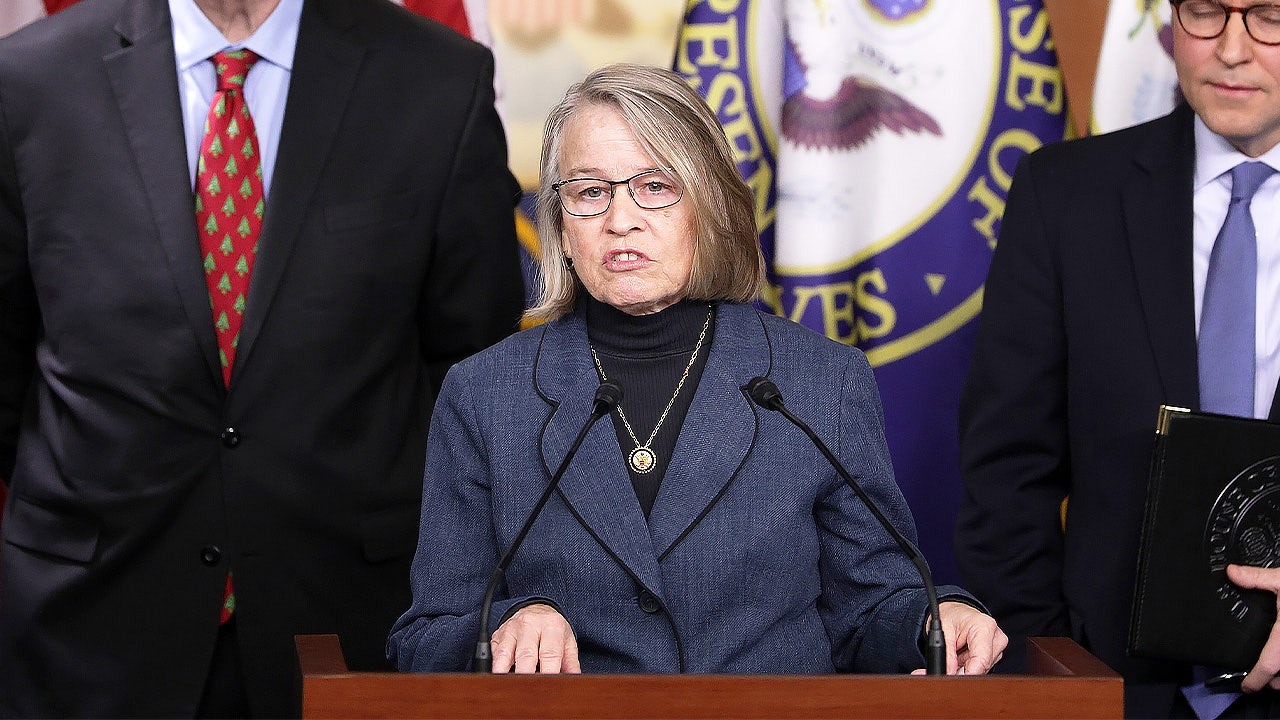
In a pointed critique of the Affordable Care Act, Rep. Mariannette Miller-Meeks, an Iowa Republican with medical credentials, has drawn direct connections between the Obama-era healthcare law and the rising healthcare costs affecting Americans nationwide.
“They removed choice by patients by limiting and prohibiting association health plans, so small businesses were disadvantaged,” Miller-Meeks said in recent comments explaining her position on the controversial legislation. She specifically criticized the law for mandating essential benefits packages that prevented consumers from selecting more basic coverage options.
According to Miller-Meeks, these policy decisions created a situation where many Americans find themselves paying for health insurance premiums they can afford but unable to cover the deductibles necessary to actually receive care. “You can have insurance, but not care,” she summarized, highlighting a fundamental disconnect in the healthcare system.
The congresswoman pointed to specific structural elements within the ACA that she believes have inflated costs. Among these is the payment structure that incentivizes procedures to be performed in hospital settings rather than physicians’ offices. “Simple things such as prohibiting doctors from doing things in their office, but paying a hospital more, which led to the development of hospital outpatient clinics,” she explained.
This payment disparity, Miller-Meeks argues, shifted procedures away from potentially more cost-effective doctor’s offices to higher-cost hospital environments. “They paid the hospitals more to do it, so you weren’t having [a simple procedure] done at a doctor’s office…it was done at the hospital,” she said.
In response to these concerns, Miller-Meeks is spearheading the “Lower Health Care Premiums for All Americans Act,” which House Republicans plan to bring to a vote. The legislation is positioned as an alternative to simply extending the enhanced Obamacare subsidies scheduled to expire at year’s end.
The Republican proposal contains several key provisions designed to reform the healthcare marketplace. A central element would codify association health plans, allowing small businesses and self-employed individuals to band together when purchasing healthcare coverage. This collective approach aims to increase bargaining power for smaller entities that currently lack the leverage of larger organizations.
Additionally, the legislation includes funding for cost-sharing reductions beginning in 2027, specifically targeting out-of-pocket expenses in the individual healthcare market. According to House GOP leadership aides, these measures could potentially reduce premium costs by approximately 12 percent.
The bill also addresses the role of pharmacy benefit managers (PBMs), third-party entities that serve as intermediaries between pharmaceutical companies and insurance providers. New transparency requirements would force PBMs to be more forthcoming about the actual costs they pass along to employers, potentially revealing hidden expenses within the prescription drug supply chain.
“What’s important about this bill is that Republicans want to reduce healthcare costs for everyone, for all people, not just a select few,” Miller-Meeks emphasized. “And we certainly don’t want to continue the corporate gravy train of subsidies to insurance companies, which then have no incentive to lower premiums.”
The legislation is expected to pass largely along party lines when it comes to a vote, reflecting the continued partisan divide over healthcare policy in Congress. Republican supporters like Miller-Meeks maintain that their approach offers a more comprehensive solution than Democratic alternatives.
“It gives patients more choice, it allows more flexibility in what kind of insurance coverage they have, but most importantly, it’s the first bill to actually bring down premiums,” Miller-Meeks asserted, claiming the bill would reduce premiums by 11 percent.
The debate comes amid ongoing concerns about healthcare affordability, with both parties acknowledging the issue but differing substantially on solutions. As enhanced ACA subsidies approach their expiration date, pressure is mounting on lawmakers to address rising costs that continue to strain household budgets across the country.
Fact Checker
Verify the accuracy of this article using The Disinformation Commission analysis and real-time sources.

18 Comments
This is a complex issue without easy answers. While the ACA aimed to improve access, the Congresswoman’s concerns about rising costs and reduced options are understandable. Rigorous analysis of the law’s actual impacts is important going forward.
This is a highly contentious topic, but Rep. Miller-Meeks’ insights as a doctor-turned-legislator are worth considering. Her arguments about the ACA’s impact on choice and costs deserve a fair hearing, even if one ultimately disagrees with her position.
The Congresswoman raises some valid concerns about the ACA’s effects on affordability and choice. It’s a nuanced topic, and I appreciate her medical expertise providing a practitioner’s perspective on the law’s real-world impacts.
Agreed, the balance between expanding coverage and controlling costs is an ongoing challenge. Constructive critiques like this can help inform future healthcare policy refinements.
Rep. Miller-Meeks raises some interesting points about the ACA’s potential role in rising healthcare costs. As a medical professional-turned-politician, her perspective is worth listening to, even if one doesn’t fully agree with her assessment.
As a legislator with a medical background, Rep. Miller-Meeks likely has a unique vantage point on the ACA and its real-world effects. Her concerns about reduced choice and inflated hospital-based care are worth considering, even if one doesn’t agree with her overall position.
As a doctor, the Congresswoman likely has valuable insights into how the ACA has affected the healthcare system in practice. Her points about reduced choice and the disconnect between insurance and actual care access are thought-provoking.
Rep. Miller-Meeks’ comments highlight the ongoing debate around the ACA and healthcare costs. While some may disagree with her views, she does raise some thought-provoking points about the law’s potential unintended consequences that are worth further examination.
As a doctor-turned-legislator, Rep. Miller-Meeks likely has unique insights into the real-world implications of healthcare policies like the ACA. Her critique about reduced patient choice and incentivized hospital-based care is worth considering, even if one doesn’t agree with her overall position.
As a medical professional and legislator, the Congresswoman brings a unique perspective to this debate. While the ACA aimed to expand coverage, her points about rising costs and reduced choice raise valid concerns that deserve further examination.
This is a controversial topic, but Rep. Miller-Meeks seems to raise some valid concerns about the ACA’s impact on costs and choice. I’d be curious to see data and analysis on the specific policy changes she cites and their downstream effects.
It’s always interesting to hear the perspectives of medical professionals who have transitioned into politics, like Rep. Miller-Meeks. Her critique of the ACA’s impact on costs and choice deserves a fair hearing, even if one ultimately comes to different conclusions.
Interesting perspective from Rep. Miller-Meeks on how the ACA may have impacted healthcare costs. I can see the logic in her arguments about reduced choice and inflated hospital-based care. It’s a complex issue with valid points on both sides.
This is an interesting take on the ACA’s impact. While the law aimed to expand coverage, it seems some of the policy decisions had unintended consequences around costs. I’d be curious to hear more details on the specific structural elements the Congresswoman is referring to.
Yes, the incentive structure around procedures seems like a key issue worth exploring further. Containing healthcare costs is such a complex challenge.
The Congresswoman’s critique seems grounded in real-world experience as both a doctor and policymaker. Her observations about the ACA’s unintended consequences warrant serious consideration, even if one doesn’t fully agree with her overall assessment.
Agreed, open and constructive dialogue is key to refining healthcare policy in a way that balances access, affordability, and quality of care.
Rep. Miller-Meeks’ comments shed light on the ongoing debate around the ACA and healthcare costs. While her critique may be controversial, it’s important to engage with diverse perspectives on this complex issue.