


Listen to the article
Democrats Move to Restrict Private Funding of White House Ballroom Over Bribery Concerns
Democrats are pushing for new limits on private donations funding President Donald Trump’s controversial White House ballroom project, citing potential “pay-to-play” arrangements and corruption concerns.
The construction, which began in October and involved demolishing the White House’s historic East Wing, carries an estimated price tag of $300 million—up from the $200 million estimate provided when the project was first unveiled in July. While the White House released a list of donors in October, Democratic lawmakers claim more oversight is needed.
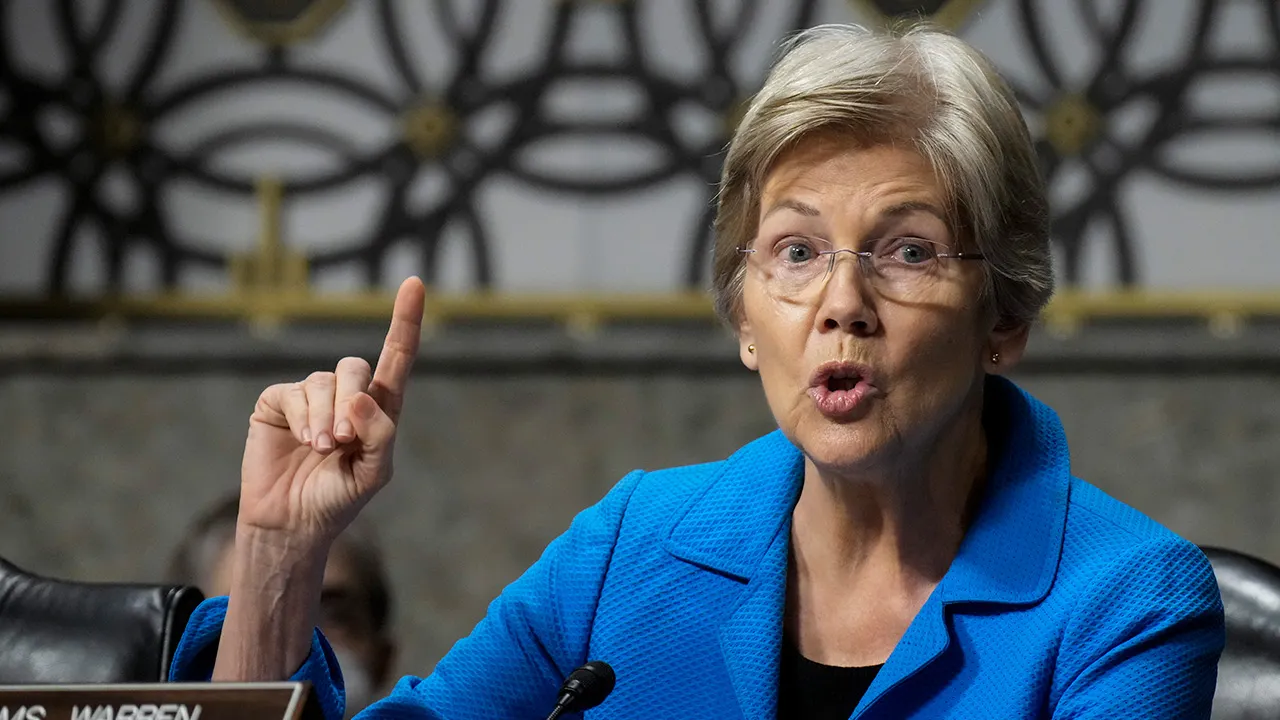
Senators Elizabeth Warren of Massachusetts and Adam Schiff of California are among those raising alarms that some donors have been granted anonymity, while others may not have been fully disclosed. This lack of transparency has prompted the introduction of new legislation aimed at curbing what they view as potential corruption.
“Billionaires and giant corporations with business in front of this administration are lining up to dump millions into Trump’s new ballroom—and Trump is showing them where to sign on the dotted line,” Warren said in a statement Tuesday. “Americans shouldn’t have to wonder whether President Trump is building a ballroom to facilitate a pay-to-play scheme for political favors.”
Major technology companies including Google, Apple, Meta Platforms, Amazon, and Microsoft, as well as defense contractor Lockheed Martin, are among the organizations that have contributed to the ballroom project. Democrats argue these donations create concerning conflicts of interest, especially for companies with pending regulatory matters before the federal government.
Lawmakers specifically pointed to Google’s $22 million settlement with Trump in September over a censorship lawsuit stemming from his ban from YouTube following the January 6, 2021 Capitol riots. They note that Google, which owns YouTube, is also currently involved in an antitrust case with the Justice Department, potentially giving the company motivation to seek favor with the administration.
The proposed legislation, spearheaded by Warren and Representative Robert Garcia of California, the top Democrat on the House Oversight Committee, includes several stringent provisions. It would prohibit donations from entities presenting conflicts of interest and bar the president, vice president, their families, and staff from soliciting contributions.
Additional measures would require that donations be cleared by directors of the National Park Service and the Office of Government Ethics before acceptance. The bill would also forbid displaying donors’ names in recognition of contributions and impose a two-year lobbying freeze on donors.
“President Trump has put a ‘for sale’ sign on the White House—soliciting hundreds of millions of dollars from special interests to fund his $300 million vanity project,” said Senator Richard Blumenthal of Connecticut, a co-sponsor of the bill. “Our measure is a direct response to Trump’s ballroom boondoggle. With commonsense reforms to how the federal government can use private donations, our legislation prevents President Trump and future presidents from using construction projects as vehicles for corruption and personal vanity.”
The White House has dismissed these concerns and the proposed legislation. “President Trump is making the White House beautiful and giving it the glory it deserves,” White House spokesman Davis Ingle said in a statement on Monday. “Only people with a severe case of Trump Derangement Syndrome would find a problem with that.”
This ballroom initiative joins several other renovation projects Trump has undertaken during his second term, including adding gold accents to the Oval Office and paving the Rose Garden. The extensive changes to the historic White House complex have sparked debate about the appropriate use and modification of the nation’s most prominent executive residence.
The political battle over the ballroom underscores deeper partisan divisions over government ethics, presidential power, and the appropriate use of private funding for public institutions. As construction continues, the controversy seems likely to intensify, particularly if the legislation gains traction in Congress.
Fact Checker
Verify the accuracy of this article using The Disinformation Commission analysis and real-time sources.

18 Comments
This is a complex issue with valid concerns on both sides. Balancing the need for White House upkeep and renovations with ethical restrictions on private funding is a delicate challenge.
Exactly, it requires careful consideration of the nuances. Hopefully a bipartisan solution can be found that upholds transparency and accountability without unduly hampering necessary work.
I’m curious to see how this plays out. Restricting donor funding could help avoid conflicts of interest, but it may also limit necessary renovations and upgrades to aging White House infrastructure.
That’s a good observation. There has to be a balance between oversight and practical considerations. Hopefully a reasonable compromise can be reached.
Interesting to see Democrats pushing for more restrictions on private funding of White House facilities. I can understand their worries about corruption and lack of transparency, but it’s a complex issue.
You raise a fair point. There are legitimate concerns on both sides that need to be carefully weighed. Transparency and accountability should be the priority.
The concerns about potential ‘pay-to-play’ arrangements and lack of donor transparency are understandable. However, the costs of maintaining the White House are substantial, so private funding may be necessary.
That’s a fair point. There needs to be a way to ensure proper oversight and disclosure without overly restricting necessary funding sources. It’s a delicate balance.
While I understand the Democrats’ concerns, I’m not sure outright banning private funding is the best solution. There may be ways to increase transparency and accountability without overly restricting necessary resources.
That’s a fair perspective. A more nuanced approach that balances ethical safeguards with practical realities could be more effective in the long run.
This is an important issue that goes beyond partisan politics. The American public deserves to know who is funding projects in the White House and what influence they may wield.
Well said. Maintaining the integrity of government institutions should be a non-partisan priority. Transparency and ethical conduct must come first.
This certainly raises some ethical concerns around potential conflicts of interest and ‘pay-to-play’ arrangements. Transparency in political fundraising and spending is critical to maintaining public trust.
Agreed, it’s important to ensure that the White House and its facilities are not being used for private fundraising or donor access. Strict oversight and disclosure requirements are needed.
I’ll be interested to see how this issue develops. Maintaining ethical standards in government is crucial, but practical realities around infrastructure funding also have to be considered.
Agreed, this is not an easy problem to solve. Reasonable people can disagree, but the ultimate goal should be to uphold the public interest and preserve trust in democratic institutions.
I appreciate the Democrats’ efforts to increase scrutiny and accountability around this project. Even the appearance of impropriety can erode public trust, so clear guidelines are needed.
I agree, the stakes are high when it comes to the White House and its facilities. Any perception of undue influence or misuse of public resources must be addressed.