


Listen to the article
Congressional lawmakers are sharply divided along party lines regarding the Trump administration’s military strikes against suspected drug traffickers in Caribbean waters, revealing fundamentally different approaches to combating the flow of narcotics into the United States.
Republicans have largely embraced the aggressive tactics, with Senator Tim Sheehy of Montana offering perhaps the most direct endorsement: “I can’t speak for anybody else, but my top concern is American citizens, their lives, their health. So, for me, it’s an easy choice. Kill drug dealers, save Americans.”
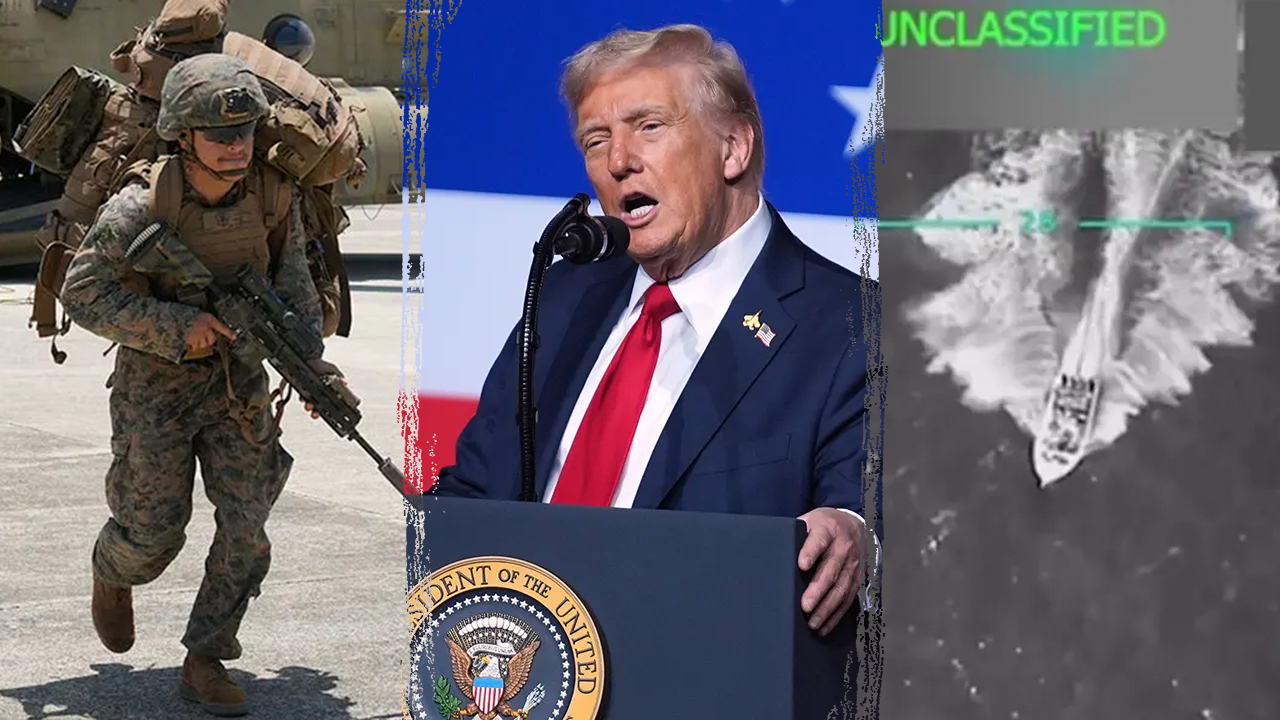
The controversial operations, which included a strike that killed six alleged drug traffickers on a boat in international waters near Venezuela, have drawn significant scrutiny from Democratic lawmakers who question their legality and effectiveness.
Representative Johnny Olszewski, Democrat from Maryland, articulated a more nuanced position, saying, “We should absolutely be concerned about the victims of drug trafficking and people who have lost their lives to drug violence.” However, he emphasized that operations must comply with legal frameworks: “We have a rule of law, and we have rules of engagement for a reason. And so, we need to make sure that we have full transparency in terms of how these strikes are happening.”
Olszewski went further, suggesting that “if the reporting is true, it’s very likely” the strikes are “in violation of our laws and may in fact be a war crime,” calling for a thorough investigation.
Representative Adam Smith, Democrat from Washington, offered one of the strongest rebukes of the administration’s approach, challenging the premise that extrajudicial killings effectively address America’s drug crisis. “Cocaine’s still flowing, the demand is still there,” Smith noted, before posing a provocative question: “Would you support allowing anyone to execute [a drug dealer] who wants to on the spot?”
Smith added, “I don’t want a fascist regime that gets to decide who they can kill when they want to kill them without any check on that power. That simply doesn’t make sense in the United States of America, or at least not the United States of America that I want us to have.”
Other Democratic lawmakers were more circumspect. Senator Jack Reed of Rhode Island acknowledged the complexity of the issue, stating, “We have to do our best to disrupt drug distribution. Also, we have to invest in drug health care and drug education, et cetera. We have to do all the things. The real question is, how do you do it right?” When pressed to prioritize drug victims above traffickers, Reed declined further comment.
Republican lawmakers from states particularly devastated by the opioid epidemic showed strong support for the administration’s aggressive stance. Senator Shelley Moore Capito from West Virginia, a state with historically high rates of drug overdoses, said, “If it disrupts the flow of one drug coming into West Virginia, I’m all for it.” She added that based on her understanding, “the intelligence around these strikes is pretty solid.”
Representative Glenn Grothman of Wisconsin framed the operations as a necessary defensive measure: “For too long, politicians have been satisfied to have a hundred thousand Americans die every year of drug overdoses. Finally, President Trump has stepped up to the plate and said, ‘No more.'” He continued, “If you’re going to attack our country, and these people know full well Americans are dying because of what they’re doing… we’re going to fight back, about time.”
The debate reflects broader questions about the appropriate balance between aggressive interdiction tactics and adherence to legal frameworks in countering drug trafficking. While the administration and its supporters point to the devastating toll of drug-related deaths in American communities, critics worry about the precedent set by what they view as extrajudicial killings in international waters.
Senate Republicans recently blocked a bipartisan effort to halt these military actions in the Caribbean, ensuring that, for now, the controversial strategy will continue despite growing concerns about its legal foundation and potential diplomatic ramifications.
Fact Checker
Verify the accuracy of this article using The Disinformation Commission analysis and real-time sources.

16 Comments
Drug addiction is a public health crisis that requires a comprehensive, compassionate approach. I hope the lawmakers can move beyond partisan posturing to find solutions that address the root causes.
Agreed. A focus on harm reduction, treatment, and international cooperation may be more effective than heavy-handed enforcement tactics.
Drug abuse and addiction are serious public health issues. I hope the debate can move beyond partisan posturing to focus on evidence-based strategies that address the broader societal challenges.
Agreed. A more holistic, compassionate approach targeting demand as well as supply could be more effective in the long run.
This debate highlights the tension between security priorities and legal/ethical considerations. I’m curious to see how the lawmakers navigate these complex trade-offs.
Well said. Striking the right balance between enforcement and upholding the rule of law will be crucial. Compromise and nuance will be key.
This debate raises important questions about the appropriate use of military force, national sovereignty, and human rights. I hope the lawmakers can find a path forward that balances these competing priorities.
Well said. Maintaining the rule of law while also protecting American lives is a delicate balance. Nuanced, evidence-based policymaking will be crucial.
Interesting debate on border security and drug trafficking. Curious to see how Democrats and Republicans find common ground to address these complex issues effectively and humanely.
Agreed, it’s a delicate balance between security and rule of law. Nuance and compromise will be key to making progress on these challenges.
The flow of narcotics is a serious problem, but the proposed military tactics raise concerns about national sovereignty and human rights. I hope lawmakers can find a more constructive path forward.
Absolutely. Addressing the root causes of drug trafficking through international cooperation and evidence-based policies may be more effective in the long run.
The military strikes against drug traffickers raise some ethical and legal concerns. I hope both parties can work together to find solutions that prioritize public safety while upholding human rights.
Well said. Enforcement needs to be lawful and proportionate. Tackling the root causes of drug trafficking is also crucial.
This is a complex issue without easy solutions. I appreciate the Democratic emphasis on compliance with legal frameworks, but also understand the Republican desire to protect American lives. Finding the right balance will be crucial.
Well put. It will take bipartisan cooperation and pragmatic policymaking to make meaningful progress on this difficult challenge.