


Listen to the article
Democrats Lambast Trump Administration Over Intelligence Agency Management
Senior Democratic lawmakers have issued stark warnings about the Trump administration’s approach to U.S. intelligence operations, claiming national security has been compromised through politicization and organizational reshuffling of America’s spy agencies.
In a pointed floor speech Thursday, Senator Mark Warner of Virginia, the top Democrat on the Senate Intelligence Committee, accused the administration of prioritizing loyalty over expertise and removing experienced intelligence officers, including the former head of the National Security Agency.
“We are watching, in real time, an administration strip away the guardrails that have protected this country for generations,” Warner said, noting that significant budget reductions have shuttered critical operations aimed at combating foreign disinformation while simultaneously weakening cyber defense capabilities.
Warner expressed particular concern that global adversaries like China and Russia could exploit these vulnerabilities amid growing international tensions. The senator’s comments reflect mounting anxiety among intelligence oversight lawmakers about structural changes within the nation’s intelligence apparatus.
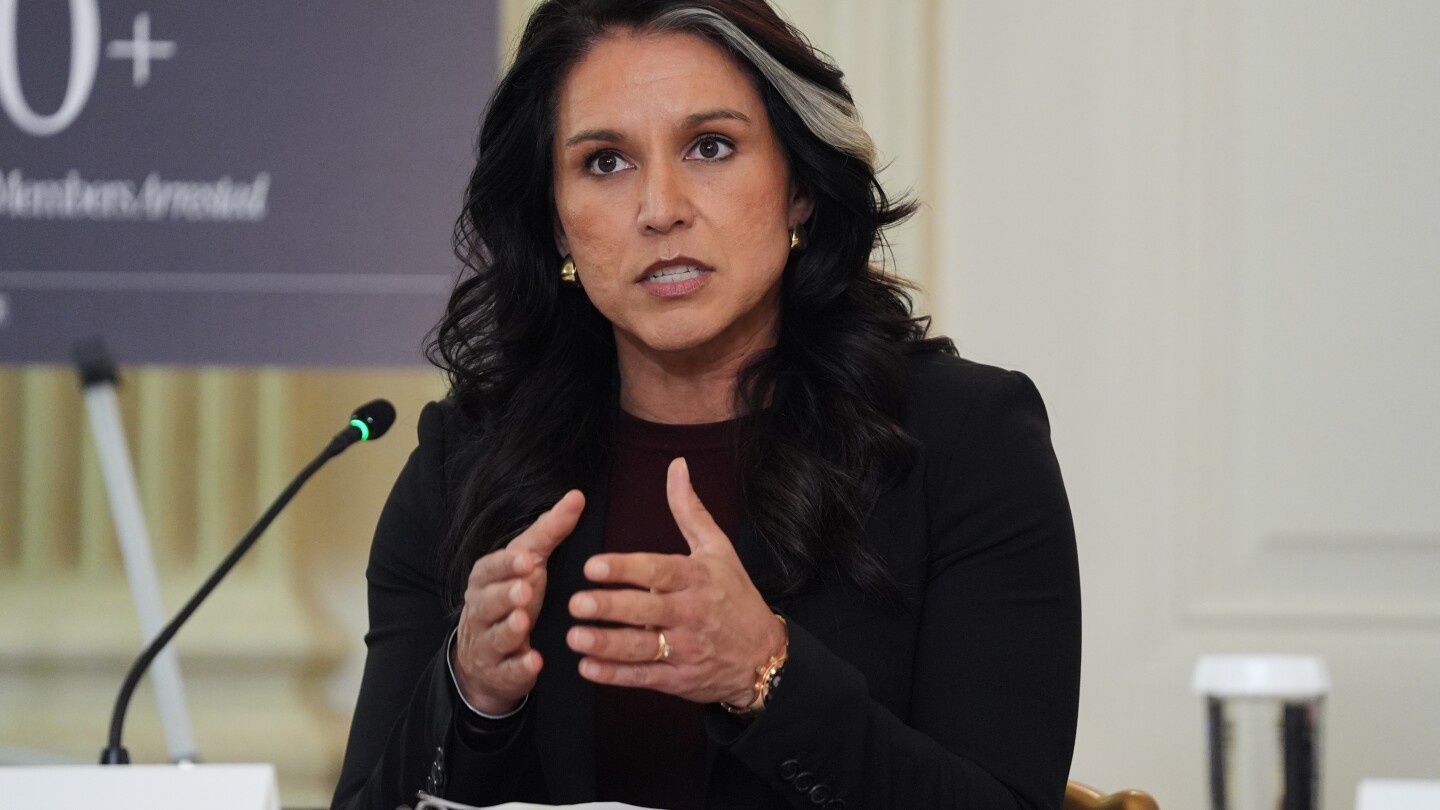
Director of National Intelligence Tulsi Gabbard has defended the administration’s approach, claiming previous administrations had weaponized intelligence work for political purposes. Gabbard cited such politicization as justification for her controversial decision earlier this year to revoke security clearances from 37 current and former national security officials, a move that sent shockwaves through the intelligence community.
The criticism from Democrats has intensified as concerns emerge about strained relationships with key intelligence-sharing allies. Representatives Jim Himes of Connecticut and Joaquin Castro of Texas sent a formal letter Thursday to Gabbard requesting information about reports that Colombia, Britain, and the Netherlands have restricted intelligence cooperation with the United States following controversial strikes against suspected drug cartel boats.
“To the extent that targeted killings of alleged drug traffickers or other policies reduce the willingness of our partners to work closely with our national security agencies, the United States will be less safe as a result,” the lawmakers wrote.
The maritime strikes, which have reportedly killed dozens of individuals the administration identifies as drug traffickers, have raised significant questions regarding due process, compliance with international law, and appropriate use of military force. The international backlash became public when Colombia’s president announced on social media that intelligence sharing would be curtailed “as long as missile attacks on boats in the Caribbean continue.”
Such limitations on intelligence cooperation could have far-reaching implications for U.S. counterterrorism, drug interdiction, and other security operations that rely heavily on information sharing with foreign partners.
When asked about the lawmakers’ letter, a spokesperson for Gabbard referenced recent statements by Secretary of State Marco Rubio, who has maintained that U.S. relationships with the United Kingdom and other allies remain robust. Rubio dismissed reports of Britain restricting intelligence sharing as “a false story.”
The dispute highlights the growing tension between the administration’s aggressive approach to transnational criminal organizations and maintaining crucial intelligence partnerships that have developed over decades.
Intelligence community veterans have privately expressed concern that the combination of leadership changes, budget reductions, and strained international relationships could create lasting damage to America’s intelligence capabilities that might take years to rebuild.
The controversy occurs against the backdrop of evolving global threats, including sophisticated cyber operations from foreign adversaries, transnational terrorism, and increasingly complex challenges from near-peer competitors like China and Russia—all situations where robust intelligence operations and international cooperation are considered vital to national security.
Fact Checker
Verify the accuracy of this article using The Disinformation Commission analysis and real-time sources.

14 Comments
This is a troubling development. Our intelligence agencies must be empowered to do their jobs effectively and without political interference. I hope the administration and Congress can work together to find a resolution that safeguards their independence and capabilities.
Absolutely. Maintaining the nonpartisan integrity of these agencies is essential for protecting our country. Any perceived politicization needs to be swiftly addressed.
This is a concerning situation. Protecting the integrity of intelligence agencies is critical for national security. I hope the administration can find a way to work with Congress and maintain impartiality and expertise, even as they may want to put their own stamp on things.
I agree, it’s a delicate balance. Oversight is important, but so is ensuring the agencies can effectively carry out their duties without undue political interference.
This is a complex issue with valid concerns on both sides. While I understand the administration’s desire for loyalty, hollowing out expertise and institutional knowledge is a dangerous path. Congress must carefully oversee these agencies to ensure they can effectively protect the country.
Well said. Striking the right balance between oversight and operational independence is crucial. I hope cooler heads can prevail and a constructive solution be found.
The intelligence community plays a vital role in safeguarding national security. Any perceived politicization of their work is extremely concerning and merits rigorous investigation. Maintaining their independence and credibility should be a top priority for all stakeholders.
Agreed. These agencies must remain above the partisan fray and focused solely on their critical national security mission. Anything less puts us all at risk.
This is a concerning development that merits close scrutiny. Our intelligence agencies must remain above partisan politics and focused solely on their critical national security functions. I hope the administration and Congress can find a way to address these issues constructively.
Agreed. Maintaining the nonpartisan credibility of our intelligence community is essential. Any perceived politicization threatens to undermine public trust and weaken America’s security posture.
The intelligence community plays a vital role in keeping America safe. While I understand the administration’s desire for loyalty, it cannot come at the expense of expertise and impartiality. Congress must ensure these agencies can fulfill their mission without undue political interference.
Well said. A healthy democracy requires a strong, independent intelligence apparatus. Any attempts to undermine that should be met with bipartisan resistance.
Allegations of politicization are always troubling. I’d like to see a thorough, impartial investigation to understand exactly what’s going on and whether national security is being compromised. These agencies need to remain independent and focused on their critical missions.
Absolutely. Maintaining the independence and integrity of our intelligence services should be a bipartisan priority.