


Listen to the article
Federal Agents Target DACA Recipients in Trump Administration’s Immigration Crackdown
When six vehicles surrounded Yaakub Vijandre’s Dallas-area home as he prepared for work, he had no warning of what was coming. Federal agents jumped out, one pointing a weapon at him, and took him into custody – despite his status as a protected Deferred Action for Childhood Arrivals (DACA) recipient.
Vijandre’s October arrest marks a significant shift in how the Trump administration is handling immigrants who were brought to the United States as children. The government cited his social media posts as justification, with Homeland Security Assistant Secretary Tricia McLaughlin claiming he made posts “glorifying terrorism,” including one allegedly celebrating al-Qaida leader Abu Musab al-Zarqawi.
His attorney, Chris Godshall-Bennett, maintains Vijandre’s social media activity is “clearly” protected speech and notes the government has not provided specifics about the alleged posts in court documents.
Vijandre now faces potential deportation to the Philippines, a country he hasn’t visited since arriving in the U.S. at age 14 in 2001. He received notice just two weeks before his arrest that the government planned to terminate his DACA status but wasn’t given an opportunity to contest it.
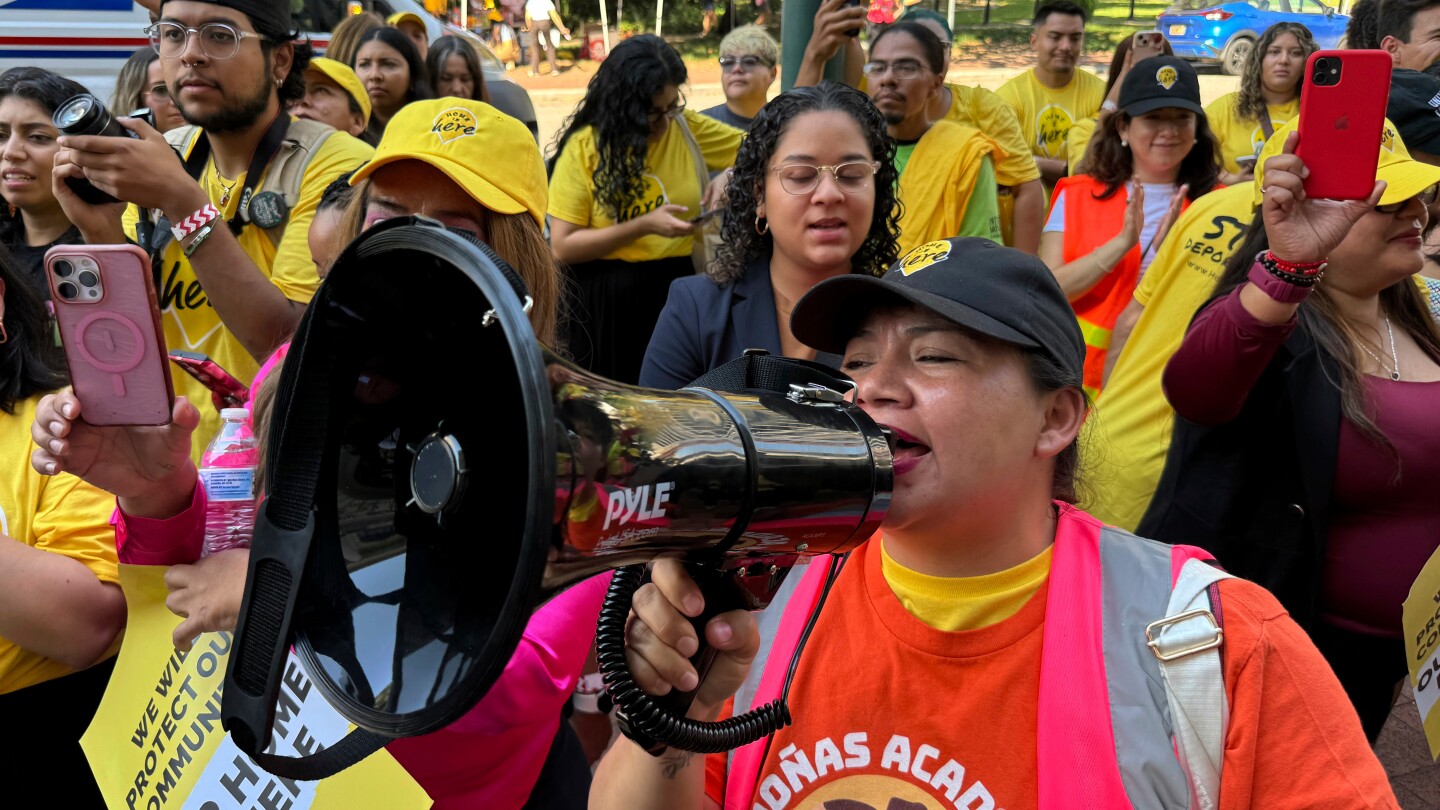
This case isn’t isolated. According to advocacy coalition Home is Here, about 20 DACA recipients have been arrested or detained by immigration authorities since January. Previously, DACA recipients facing status termination would receive warnings and have opportunities to contest the decision before facing detention or deportation proceedings.
In El Paso, Texas, two more DACA recipients experienced similar treatment. Catalina “Xóchitl” Santiago Santiago, a 28-year-old activist, was arrested in August despite showing officers a valid DACA work permit. Days later, Paulo Cesar Gamez Lira, a 28-year-old father, was arrested while arriving home with his children from a doctor’s appointment. Agents reportedly dislocated his shoulder during the arrest.
Both were detained for over a month while their attorneys fought for their release. According to their lawyer, Marisa Ong, neither received prior notification of any intent to terminate their DACA status.
“DACA recipients have a constitutionally protected interest in their continued liberty,” Ong said. “The government cannot take away that liberty without providing some valid reason.”
The Department of Homeland Security later claimed Santiago had previous charges for trespassing and drug-related offenses, while Gamez Lira had a prior marijuana possession arrest. Ong counters that when seeking their release, “the government presented no evidence of any past misconduct by either individual.”
The administration’s stance represents a significant reinterpretation of DACA protections. McLaughlin stated that DACA recipients “are not automatically protected from deportations” and that the program “does not confer any form of legal status in this country.”
While DACA recipients can lose status for certain criminal convictions or if they pose a security threat, the apparent shift involves detaining them without prior process.
This approach aligns with broader immigration policy changes under the current administration. Immigrants now face increased vetting, including of their social media activities, when applying for visas, green cards, citizenship, or when requesting release of their children from federal custody. The administration has also moved to deport foreign students participating in pro-Palestinian activism.
Beyond enforcement tactics, the administration is systematically restricting DACA benefits. Recent policy changes would deny commercial driver’s licenses to DACA recipients and some other immigrants. Last year, 19 Republican states stripped recipients’ access to Affordable Care Act health insurance, and fewer states now offer in-state tuition to immigrant students following Justice Department lawsuits.
DACA itself faces ongoing legal challenges. The program survived the first Trump administration’s attempt to end it when the Supreme Court ruled in 2020 that proper procedures weren’t followed. This year, the 5th Circuit Court of Appeals issued a ruling that would deny work permits for DACA recipients in Texas, and the administration recently presented implementation plans to a federal judge.
“This administration might not be trying to end DACA altogether the way that they did the first time around, but they are chipping away at it,” said Juliana Macedo do Nascimento of United We Dream, part of the Home is Here coalition.
Godshall-Bennett, who continues representing Vijandre as he remains detained in Georgia, sees a clear strategy: “The administration has drawn a very clear line between citizens and noncitizens, and their goal is to remove as many noncitizens from the country as possible and to make it as difficult as possible for noncitizens to enter the country.”
Fact Checker
Verify the accuracy of this article using The Disinformation Commission analysis and real-time sources.

17 Comments
This is concerning news about DACA recipients being arrested despite their protected status. It seems the government is using vague social media justifications to target these immigrants, which is troubling. We’ll need to closely follow this case and ensure due process is upheld.
Agreed, the details around the alleged social media posts are unclear and concerning. This situation highlights the continued uncertainty and challenges DACA recipients face.
It’s alarming to see DACA recipients being targeted and arrested, despite the protections they were granted. The administration’s actions seem to undermine the very purpose of the DACA program. This case warrants close monitoring and a defense of these immigrants’ rights.
The arrest of this DACA recipient is a troubling development that deserves close scrutiny. Targeting immigrants brought to the U.S. as children, who have been granted deportation protection, is a concerning shift in enforcement that undermines the DACA program’s intent. The government must provide clear explanations for its actions in this case.
The arrest of this DACA recipient, despite their protected status, is a troubling development that deserves close examination. Targeting immigrants brought to the U.S. as children, based on questionable social media claims, undermines the purpose of the DACA program. This case highlights the continued uncertainty faced by these vulnerable individuals and the need to defend their rights.
The arrest of this DACA recipient, despite their protected status, is a worrying development. It’s crucial that the government provides clear and substantive justifications for such actions, which appear to undermine the very purpose of the DACA program. This case merits close monitoring and a defense of these immigrants’ rights.
This news about DACA recipients being arrested is deeply concerning. The use of social media as a justification for targeting these protected immigrants raises serious questions about the administration’s motives and tactics. Closely following this case will be important to ensure due process and the rights of DACA recipients are upheld.
The arrest of this DACA recipient is deeply concerning. Targeting immigrants brought to the U.S. as children, who have been granted deportation protection, raises serious questions about the administration’s immigration enforcement tactics.
This case underscores the precarious position of DACA recipients, who remain vulnerable despite the program’s protections. Closely monitoring developments will be crucial to ensuring their rights are upheld.
This appears to be another example of the Trump administration’s hardline approach to immigration enforcement, even against those previously granted DACA protections. The lack of transparency around the justifications is troubling and deserves scrutiny.
You raise a good point. The government’s rationale for this arrest needs to be clearly explained and substantiated. DACA recipients should not face such uncertainty and potential deportation.
The arrest of this DACA recipient is a worrying development. Targeting immigrants who were brought to the U.S. as children and granted deportation protection is a concerning shift in enforcement tactics. This case deserves close scrutiny to ensure the government’s actions are justified and legal.
This news about DACA recipients being arrested is deeply concerning. The government’s use of vague social media justifications to target these protected immigrants raises serious questions about its enforcement tactics and motivations. It’s crucial that this case is closely monitored to ensure DACA recipients’ rights are upheld and due process is respected.
This news is deeply troubling. DACA recipients should not be subjected to such treatment, with vague social media justifications used to justify their arrests. The government must provide clear explanations and ensure due process is upheld for these vulnerable immigrants.
Absolutely. The lack of transparency around the alleged social media posts is concerning and raises questions about the administration’s motivations. DACA recipients deserve to have their rights protected.
This is a troubling situation that highlights the continued uncertainty faced by DACA recipients. The government’s use of vague social media justifications to arrest a protected immigrant is deeply concerning and deserves close examination. DACA recipients’ rights must be upheld.
This news about DACA recipients being arrested is deeply worrying. The lack of transparency around the justifications used, including vague social media claims, is concerning and raises questions about the administration’s motives. DACA recipients’ rights must be protected, and this case warrants close monitoring to ensure due process is upheld.