


Listen to the article
A federal appeals court struck down Michigan’s ban on conversion therapy for LGBTQ+ minors Wednesday, ruling that the law violates therapists’ First Amendment rights in a decision that could have nationwide implications.
The 6th U.S. Circuit Court of Appeals issued a 2-1 decision granting a preliminary injunction requested by Catholic Charities of Jackson, Lenawee and Hillsdale Counties, effectively blocking enforcement of the law that was enacted last year.
“The Michigan law discriminates based on viewpoint — meaning the law permits speech on a particular topic only if the speech expresses a viewpoint that the government itself approves,” wrote Judge Raymond Kethledge in the majority opinion, joined by Judge Joan Larsen.
The court took issue with what it characterized as the law’s selective application, noting that while it prohibits counseling aimed at changing sexual orientation or gender identity, it permits counseling that supports gender transition.
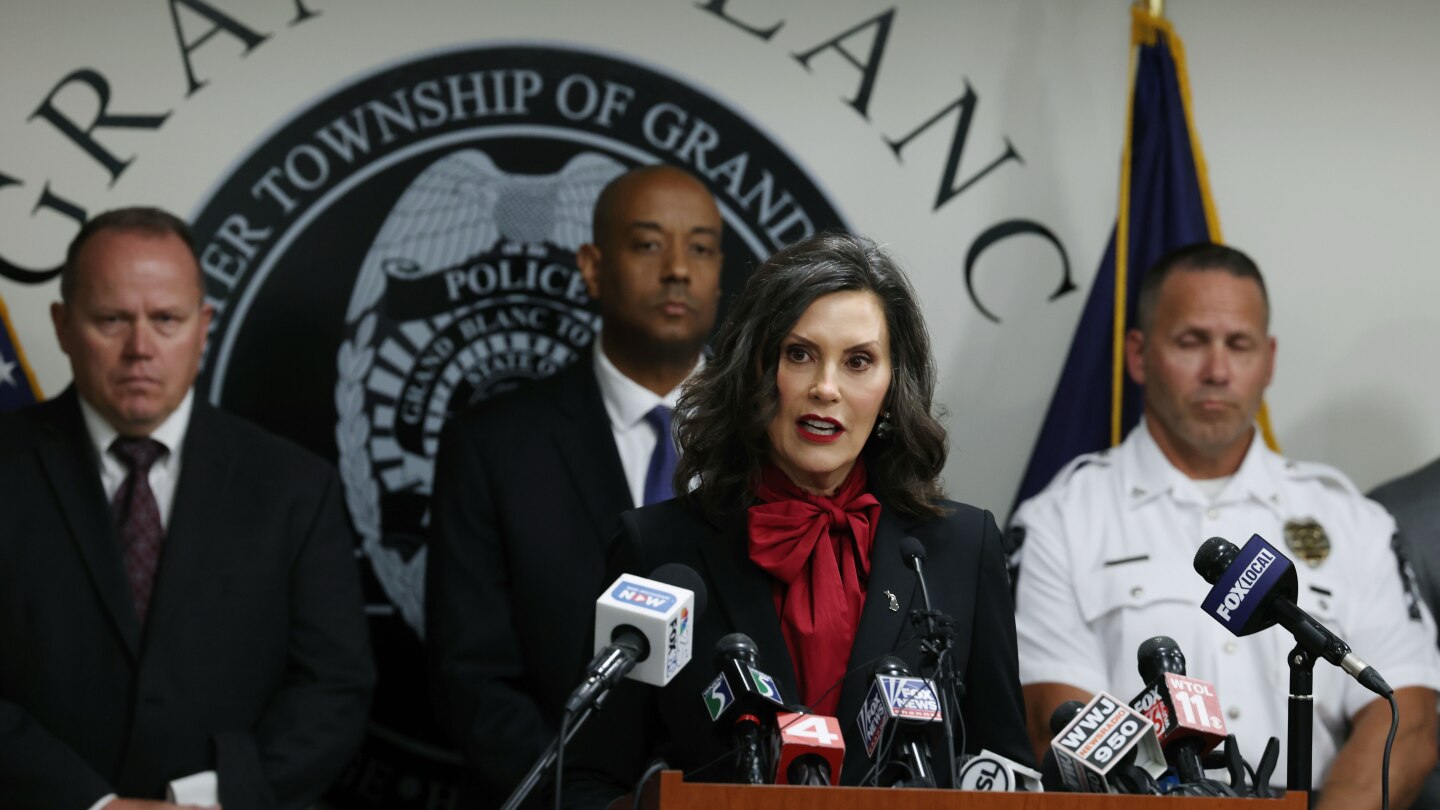
Michigan’s law, passed by the Democratic-controlled Legislature and signed by Governor Gretchen Whitmer in 2023, was designed to prevent licensed mental health professionals from practicing conversion therapy on minors. Therapists who violated the ban could lose their professional license. When signing the legislation, Whitmer described conversion therapy as a “horrific practice.”
The ruling comes at a pivotal moment, just over two months after the U.S. Supreme Court heard arguments in a similar case from Colorado that could ultimately resolve the issue for the entire country. Judge Rachel Bloomekatz, who dissented in the Michigan case, argued that the appeals court should have waited for the Supreme Court’s decision before ruling.
Michigan joined more than 20 other states that have enacted similar bans on conversion therapy for minors. These laws reflect growing concern among medical and mental health organizations about the practice, which attempts to change a person’s sexual orientation or gender identity.
Major medical and psychological associations, including the American Medical Association, the American Psychological Association, and the American Academy of Pediatrics, have denounced conversion therapy as ineffective and potentially harmful. LGBTQ+ advocacy groups point to research suggesting that individuals subjected to conversion therapy face increased risks of depression, anxiety, and suicide.
The legal challenge was brought by Catholic Charities, which argued that the law infringed upon its ability to provide counseling consistent with Catholic teachings. The organization maintained that the ban unconstitutionally restricted speech based on content and viewpoint.
The ruling represents a significant setback for LGBTQ+ rights advocates in Michigan who had celebrated the ban as a vital protection for vulnerable youth. The decision also highlights the ongoing tension between religious freedom claims and LGBTQ+ protections that continues to play out in courts across the country.
Legal experts note that the case illustrates the complex constitutional questions surrounding professional speech and government regulation of healthcare practices. The decision puts the Michigan law on hold while the case proceeds through the courts, but the ultimate fate of conversion therapy bans nationwide will likely depend on the Supreme Court’s upcoming ruling in the Colorado case.
The Michigan Attorney General’s office has not yet announced whether it will appeal the decision to the Supreme Court or wait for guidance from the high court’s ruling in the Colorado case.
This legal battle unfolds against a backdrop of increasing political tensions regarding LGBTQ+ rights, with Republican-led states passing legislation restricting gender-affirming care while Democratic-led states enact protections for LGBTQ+ individuals. Michigan’s law was part of a broader legislative agenda addressing LGBTQ+ rights after Democrats gained control of the state government in the 2022 elections.
Fact Checker
Verify the accuracy of this article using The Disinformation Commission analysis and real-time sources.

7 Comments
While I understand the free speech argument, the wellbeing of minors should be the top priority here. Conversion therapy is an abusive and unethical practice that has no place in modern healthcare.
The court’s decision seems to highlight the tricky balance between protecting free speech and safeguarding vulnerable populations. I’m curious to see how this plays out at the state and national level.
You raise a good point. This could set a precedent with far-reaching consequences. I hope policymakers can find a way to uphold free speech while also protecting LGBTQ+ youth.
As someone with a background in mental health, I’m troubled by this ruling. Conversion therapy has been widely discredited and can be extremely harmful. I hope Michigan or the federal government will find a way to appeal this.
This is a complex issue with valid arguments on both sides. While I respect the court’s decision on free speech grounds, I’m concerned about the potential harm of conversion therapy to vulnerable LGBTQ+ youth.
I agree, the free speech implications are concerning. However, the wellbeing of minors should be the top priority here. Conversion therapy has been shown to increase mental health risks.
This is a disappointing decision. Conversion therapy has been shown to increase depression, anxiety, and suicidal ideation among LGBTQ+ youth. I hope there are avenues to challenge this ruling and reinstate the ban.