


Listen to the article
Congress Overturns Biden-Era Restrictions on Alaska Oil Reserve
Congress has passed a measure to overturn a Biden administration plan that restricted oil and gas leasing across nearly half of the National Petroleum Reserve-Alaska (NPR-A), setting the stage for expanded development in one of America’s largest petroleum reserves.
The House vote on Tuesday followed earlier Senate approval of the resolution during the government shutdown. The measure now heads to President Donald Trump’s desk for consideration, where it’s expected to be signed into law.
The congressional action aims to reinstate a Trump-era management plan from his first administration that would make approximately 80% of the 23-million-acre reserve available for potential oil and gas development, significantly expanding access compared to the Biden administration’s more restrictive approach.
Alaska’s Republican congressional delegation praised the move as fulfilling objectives outlined in an Alaska-specific executive order signed by Trump earlier this year. That executive order specifically called for reversing Biden-era restrictions on the NPR-A, which had been finalized in 2022.
“This vote represents a significant victory for Alaska’s energy sector and our state’s economic future,” said members of Alaska’s congressional delegation in a joint statement last month. The delegation noted that the Congressional Review Act provides an expedited pathway to overturn certain federal rules and prevents agencies from issuing “substantially similar” rules unless specifically authorized by law.
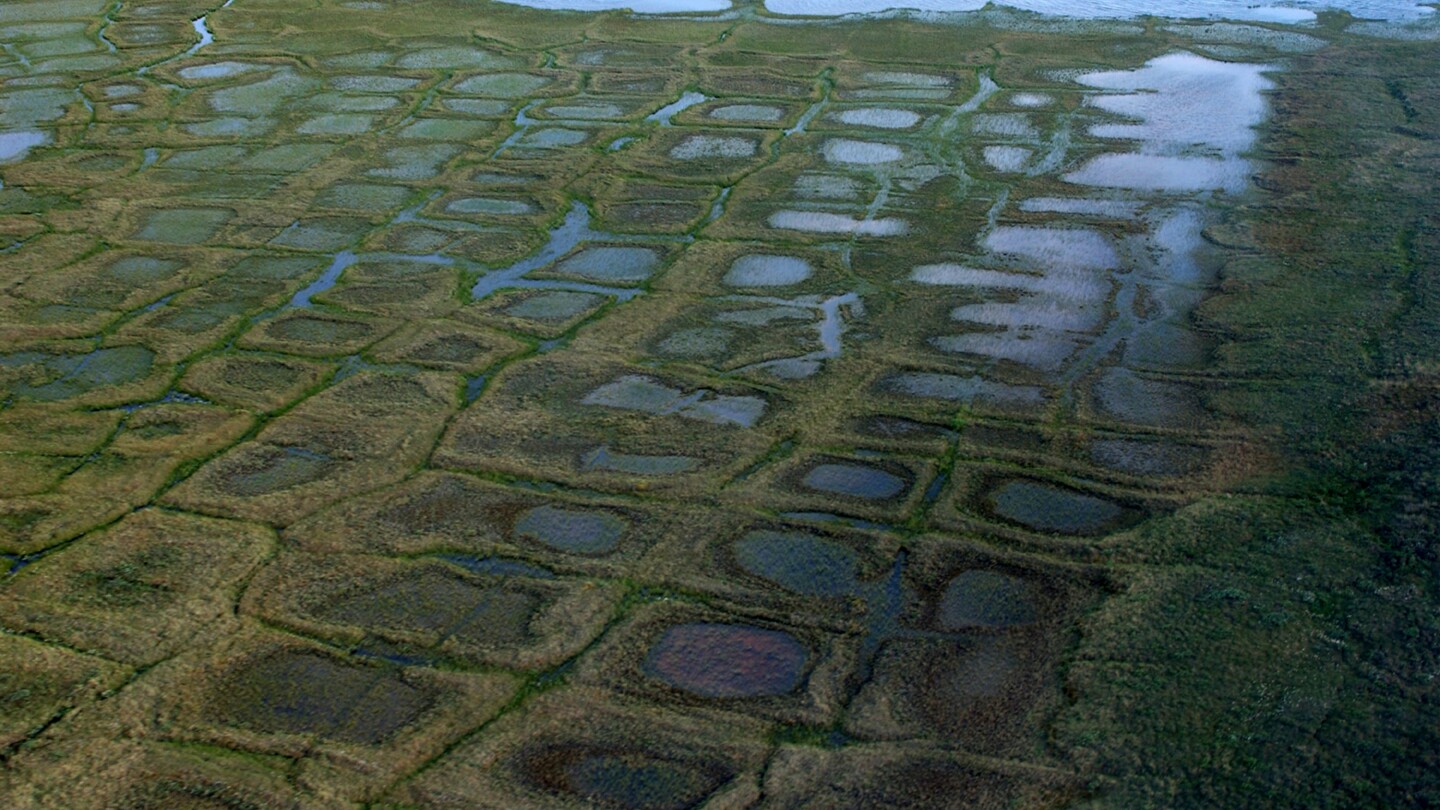
The NPR-A, established in 1923 as a petroleum reserve, spans roughly the size of Indiana across Alaska’s North Slope. The reserve contains significant oil resources estimated at billions of barrels, making it strategically important for domestic energy production.
Since returning to office, Trump has placed notable emphasis on Alaska’s natural resources. His administration has consistently moved to expand development opportunities for oil, gas, and minerals in the state – actions that Alaska’s political leadership has welcomed after what they viewed as overly restrictive policies under Biden.
Environmental organizations, however, have raised serious concerns about the congressional action. Alex Cohen, director of government affairs for the Alaska Wilderness League, criticized the use of the Congressional Review Act as a “super, super blunt instrument” for managing complex land use decisions.
“Regulatory policy requires very careful, considered stakeholder engagement and scientific analysis,” Cohen said. He also highlighted the uncertainty created by the resolution, noting that questions remain about what will replace the overturned plan and what exactly constitutes a “substantially similar” rule that agencies would be prohibited from implementing.
The vote is part of a broader pattern of congressional Republicans using the Congressional Review Act to nullify land management plans adopted during the Biden administration. Critics argue this creates regulatory confusion and undermines the established processes for developing science-based land management approaches.
Adding to the complexity, Congress earlier this year passed legislation mandating oil and gas lease sales in both the NPR-A and the Arctic National Wildlife Refuge (ANWR). The petroleum reserve hasn’t seen a lease sale since 2019, while ANWR has had limited industry interest in its two previous sales – one at the end of Trump’s first term and another near the conclusion of Biden’s administration.
Major oil companies notably abstained from both ANWR lease sales, reflecting industry caution about the economic viability and potential regulatory and reputational risks associated with development in environmentally sensitive areas.
The congressional action comes amid volatility in global energy markets and ongoing debates about America’s energy security and climate commitments. Supporters argue expanded access to domestic resources strengthens national security and economic growth, while environmental advocates warn of potential ecological damage to sensitive Arctic ecosystems.
The management of Alaska’s petroleum reserves will likely remain contentious as competing priorities of energy development, environmental protection, and indigenous rights continue to shape policy decisions in one of America’s last great wilderness regions.
Fact Checker
Verify the accuracy of this article using The Disinformation Commission analysis and real-time sources.

20 Comments
This is an interesting development in the ongoing debate around energy policy and land use in Alaska. I’ll be following this story closely to see how it unfolds.
Agreed. It’s a complex issue with a lot of stakeholders involved. Constructive dialogue will be key to finding a balanced approach.
Overturning the Biden-era restrictions could boost oil and gas development, but I worry about the potential environmental impact. Careful management will be crucial.
Good point. It’s a delicate balance between energy needs and environmental protection.
This is an interesting development in the ongoing debate around energy policy and land use in Alaska. I’ll be following this story closely.
Agreed. It’s a complex issue with a lot of stakeholders involved. Constructive dialogue will be key.
The politics around energy policy can get quite contentious. I’ll be curious to see how this plays out and what the real-world impacts end up being.
Yes, it’s a delicate balance. Hopefully all sides can come together to find a sensible solution.
Overturning the Biden-era restrictions could open up more opportunities for oil and gas development, but I have concerns about the potential environmental consequences.
Good point. Striking the right balance between energy needs and environmental protection will be crucial.
The politics around energy policy can be quite divisive. I’ll be interested to see how this plays out and what the real-world implications are.
Yes, it’s a complex issue with valid concerns on all sides. Hopefully a constructive dialogue can lead to a sensible outcome.
Interesting development on the Alaska petroleum reserve. I’m curious to see how this plays out in terms of energy policy and environmental concerns.
Sounds like a complex issue with potential trade-offs. Hopefully a balanced approach can be found.
This reversal of Biden-era restrictions could open up more oil and gas opportunities, but I wonder about the long-term impacts on the region’s ecosystems.
Good point. Responsible development will be key to balancing energy needs and environmental protection.
Expanding access to the Alaska petroleum reserve could have significant economic implications, but I hope environmental concerns are also thoroughly considered.
Absolutely. Responsible development that balances multiple priorities will be important here.
Expanding access to the Alaska petroleum reserve could boost domestic energy production, but I hope it’s done in a sustainable way that considers the local communities and wildlife.
Agreed. Balancing economic and environmental priorities is always a challenge in these situations.