


Listen to the article
U.S. Taxpayers Spending Nearly $250 Million Annually on Fast Food Through SNAP Program
U.S. taxpayers are spending nearly $250 million annually on fast-food meals purchased through a specialized SNAP benefits program across nine states, according to findings released by Republican Iowa Senator Joni Ernst.
The Restaurant Meals Program (RMP), a subset of the Supplemental Nutrition Assistance Program (SNAP), allows certain recipients to use their benefits at fast-food establishments and restaurants in participating states. Eight of the nine states currently utilizing this program—Arizona, California, Illinois, Maryland, Massachusetts, Michigan, New York, and Rhode Island—are governed by Democrats. Virginia is the only Republican-led state participating in the program.
The original SNAP program, established in 1964 under the Food Stamps Act, was designed to provide basic nutritional necessities such as meat, fruits, and vegetables to financially vulnerable Americans. The program explicitly excluded hot foods or items ready for immediate consumption, emphasizing its core mission of providing staple foods that recipients would prepare at home.
However, a 1977 legislative change created the Restaurant Meals Program loophole, initially established to help homeless individuals without kitchen access purchase prepared meals using their benefits. Over subsequent years, eligibility expanded to include elderly and disabled individuals and their spouses, according to Senator Ernst’s office.
California represents the most significant portion of RMP spending. Ernst’s office found that from June 2023 to May 2025, California alone accounted for more than $475 million in taxpayer dollars spent at fast-food establishments through the program—over 90% of the nation’s total RMP expenditures during that period.
“The ‘N’ in SNAP stands for nutrition not nuggets with a side of fries,” Ernst told Fox News Digital. “I wish I was McRibbing you but $250 million per year at the drive-through is no joke and a serious waste of tax dollars.”
The data showed varying levels of RMP spending across other participating states during the same period: Arizona ($41.4 million), New York ($3.6 million), Michigan ($1.3 million), Rhode Island ($995,900), Massachusetts ($649,000), Illinois ($479,000), Virginia ($308,500), and Maryland ($8,600).
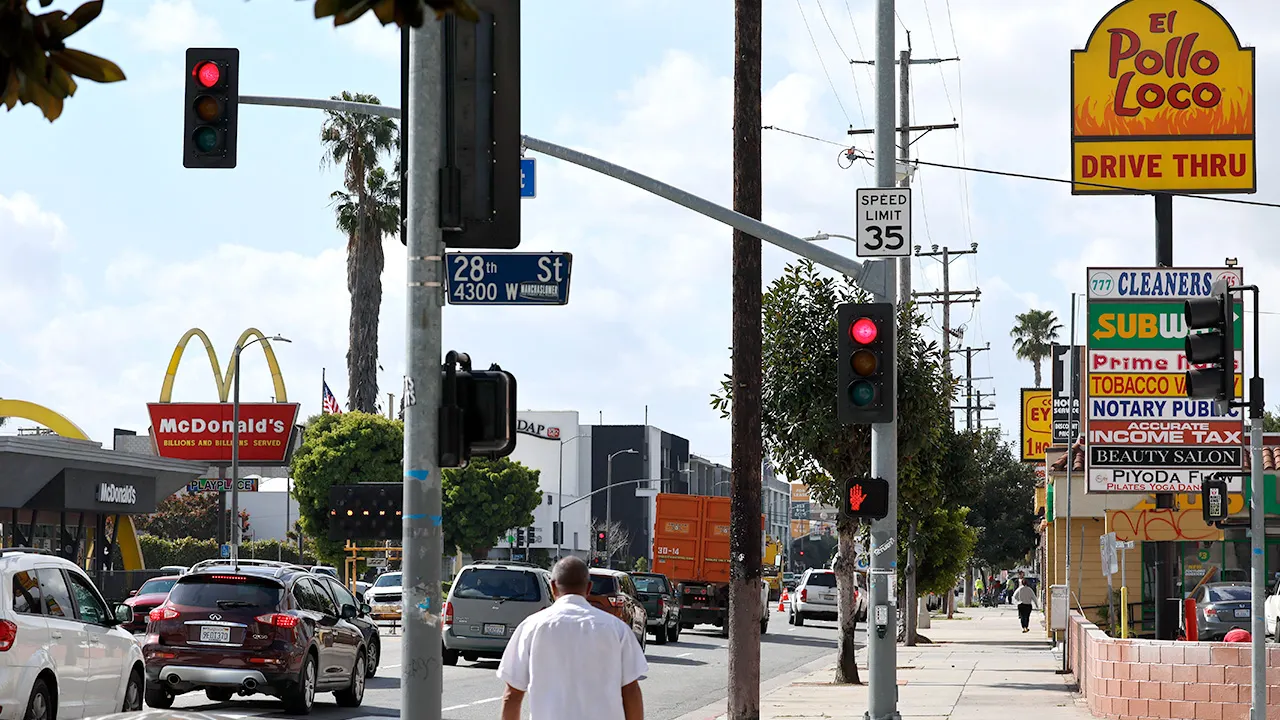
The program’s expansion has been particularly notable in California, which in 2021 broadened its implementation statewide to include numerous major fast-food chains such as McDonald’s, Domino’s Pizza, and Jack in the Box. Participating restaurants must sign agreements with their states, which are then authorized by the U.S. Department of Agriculture, the federal agency overseeing the broader SNAP program.
In response to these findings, Ernst introduced legislation on Thursday dubbed the McSCUSE ME Act, which aims to restrict the scope of the Restaurant Meals Program. The bill would preserve program access for homeless, elderly, and disabled individuals but eliminate spousal eligibility.
The proposed legislation would also limit which vendors can participate, specifically restricting fast-food establishments while favoring grocery stores with hot food bars to ensure healthier prepared food options. Additionally, states would be required to produce annual public reports detailing the number of participating vendors, beneficiaries, and total program costs.
This legislative push comes in the wake of the longest government shutdown in U.S. history, which lasted 43 days and placed increased scrutiny on food assistance programs, particularly regarding fraud concerns and disruptions to recipient access. Upon the government’s reopening, the Trump administration implemented a requirement for all SNAP beneficiaries to reapply for the program as a fraud prevention measure.
Federal spending on the overall SNAP program reached record highs during the Biden administration, with costs of $128 billion in 2021 and $127 billion in 2022 during the pandemic, before declining to $99.8 billion in the administration’s final year.
As debates over government spending and welfare program efficiency continue, the Restaurant Meals Program represents a growing focal point in discussions about the purpose and implementation of nutritional assistance programs.
Fact Checker
Verify the accuracy of this article using The Disinformation Commission analysis and real-time sources.

8 Comments
This is an interesting development in the SNAP program. While providing meals at fast-food restaurants may offer convenience for some recipients, it does seem to deviate from the program’s original intent of promoting home-cooked, nutritious meals. I’m curious to hear more perspectives on the pros and cons of this policy change.
You raise a fair point. The expanded accessibility could be helpful, but it’s important to ensure SNAP funds are used to support healthy eating habits and not just fast-food convenience.
As an investor in the energy and mining sectors, I’ll be curious to see if this SNAP policy change has any downstream impacts on commodity prices or demand. While not directly related, it could be an interesting data point to track. In general, I think it’s important for social assistance programs to maintain a focus on nutritional value and long-term wellbeing.
As someone who follows the mining and commodities sector, I’m curious how this SNAP policy change could impact demand for agricultural products like meat, produce, and grains. If more SNAP funds are diverted to fast food, it may reduce the program’s positive impact on domestic food suppliers.
Spending millions in SNAP funds on fast food seems concerning. The program was designed to help low-income families afford basic nutritional staples, not prepared meals that may be less healthy. I’d be interested to see data on the nutritional value and cost-effectiveness of this approach compared to the original SNAP intent.
Agreed. It’s crucial that SNAP maintains its focus on providing affordable access to wholesome, home-cooked foods that support long-term health and wellbeing.
This is an interesting political development, though it seems to raise some concerns about the nutritional quality of foods purchased with SNAP benefits. I’d be interested to hear from nutrition experts and SNAP recipients on whether this expanded restaurant access is truly beneficial or simply a convenience-focused policy shift.
That’s a great point. Ultimately, the SNAP program should prioritize supporting healthy eating habits and food security, not just convenient meal options.