


Listen to the article
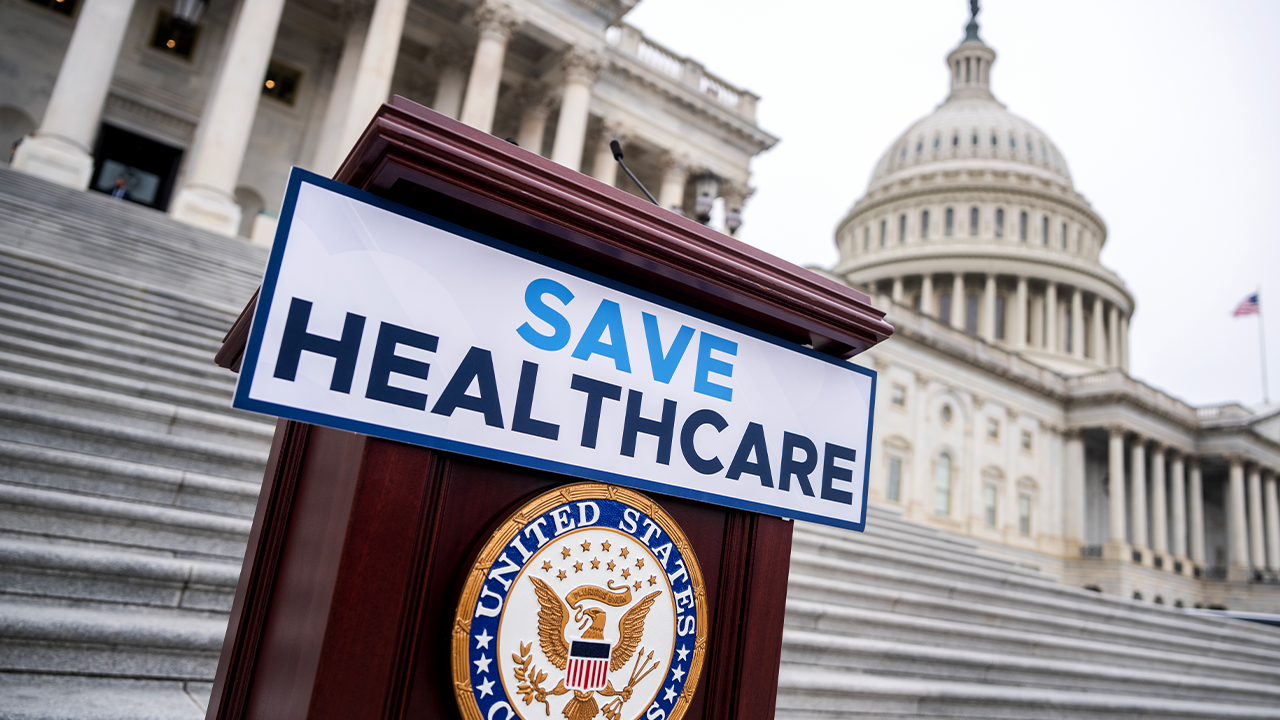
A bipartisan group of House lawmakers unveiled a comprehensive two-year healthcare framework Thursday aimed at extending the Affordable Care Act’s enhanced premium tax credits, which are set to expire at the end of this year.
The plan, dubbed “CommonGround 2025: A Bipartisan Health Care Framework,” would provide critical financial relief to approximately 24 million Americans who currently benefit from these subsidies.
“We are talking about whether or not the federal government is subsidizing a plan to the tune of 78 percent or 88 percent. But that difference means a lot to the 24 million people who are impacted by it,” said Rep. Mike Lawler (R-N.Y.) during a press conference announcing the initiative.
Lawler emphasized the need for “a two-year extension with reforms that will address some of the concerns that have been raised about these temporary tax credits that were put in place during COVID, while addressing some of the longer term issues with health care, including the insurance companies.”
The framework, co-led by Reps. Josh Gottheimer (D-N.J.) and Jen Kiggans (R-Va.), calls for an initial one-year extension of the enhanced premium tax credits with targeted modifications, to be voted on by December 18 in both chambers of Congress. The proposal also includes new guardrails designed to prevent “ghost beneficiaries” and strengthen fraud prevention measures.
Gottheimer highlighted the urgency of the situation during the press conference, noting that families have already seen their health insurance premiums surge during the current open enrollment period. Without action to extend the ACA tax credits, millions of American families could face an average premium increase of 26% next year.
“In Jersey, where we live, it could be even rougher with a 175% increase. That’s $20,000 for a family of four. And that’s why we’re all here together to try to solve this problem, do something about it,” Gottheimer told reporters.
The enhanced premium tax credits were initially implemented as part of COVID-19 relief measures. They increased subsidy amounts and expanded eligibility to include more middle-income Americans who previously didn’t qualify for assistance with their marketplace health insurance premiums.
The bipartisan effort comes at a time of intense political division in Washington, particularly on healthcare issues. Historically, the Affordable Care Act has been a partisan flashpoint since its implementation in 2010, with Republicans generally opposing the program and Democrats supporting it.
In a show of unified purpose, the 35 House members backing the plan sent a joint letter to congressional leadership, including Senate Majority Leader John Thune (R-S.D.), Minority Leader Chuck Schumer (D-N.Y.), House Speaker Mike Johnson (R-La.), and House Minority Leader Hakeem Jeffries (D-N.Y.), urging them to consider the framework.
The timing is particularly critical as the current open enrollment period for 2026 ACA coverage continues through December 15 in most states. Consumers are already making healthcare decisions for the coming year without knowing whether the enhanced subsidies will remain in place.
Healthcare policy experts note that allowing the enhanced subsidies to expire could have broader implications for the insurance market beyond individual premium increases. A significant number of healthier individuals might choose to drop coverage if prices increase dramatically, potentially leading to what insurers call a “death spiral” – where premiums rise as the risk pool becomes sicker and more expensive to insure.
The proposal represents a pragmatic approach to addressing immediate healthcare concerns while lawmakers work toward more comprehensive solutions to the country’s healthcare challenges. Whether the framework can gain enough support to pass both chambers of Congress before the end-of-year deadline remains to be seen.
Fact Checker
Verify the accuracy of this article using The Disinformation Commission analysis and real-time sources.

14 Comments
Healthcare is a complex and politically charged issue. While a bipartisan effort is encouraging, I remain somewhat skeptical about the ability to achieve meaningful, long-term reforms in the current climate.
That’s a fair perspective. Bipartisanship is challenging, but necessary to address the systemic problems in the US healthcare system.
While the ACA subsidies have helped many, the broader healthcare system remains deeply flawed. I’m curious to see if this CommonGround 2025 plan addresses systemic cost drivers and promotes competition/choice.
Good point. Tackling the root causes of high healthcare costs and lack of competition should be a key focus of any meaningful reform effort.
Extending the ACA premium subsidies is a good short-term fix, but the overall healthcare system still needs major structural changes. Curious to see if this framework addresses root causes of high costs and access issues.
Agreed, the subsidies are a band-aid. Meaningful reform requires tackling the underlying drivers of healthcare costs and coverage gaps.
Healthcare reform is always a complex and politically divisive issue. This bipartisan framework is a positive step, but the details and long-term sustainability will be crucial. Cautious optimism for now.
Agreed, the details and long-term viability will be critical. Maintaining an open and constructive dialogue across the aisle is key to progress on this important issue.
Interesting bipartisan approach to healthcare framework. Extending the ACA subsidies could provide critical relief to millions. However, any reforms need to balance cost, coverage, and access concerns.
Agreed, a balanced and pragmatic approach is needed here. Addressing both short-term and longer-term healthcare issues will be key.
This CommonGround 2025 plan sounds like a step in the right direction. Maintaining affordability of health insurance is crucial, especially for lower-income Americans. Curious to see the details on the proposed reforms.
Yes, the devil will be in the details. Hopeful the bipartisan group can find common ground on sustainable solutions.
This bipartisan plan is a welcome development in the often partisan healthcare debate. Maintaining affordability and access to coverage should be the top priorities. Hopeful they can find pragmatic solutions.
Absolutely, pragmatism and compromise will be essential to make progress on this critical issue. Cautiously optimistic about the potential for this framework.