


Listen to the article
A federal appeals court has blocked a lower court’s restrictions on how immigration agents can use force during operations in the Chicago area, ruling that the original order was “overbroad” and “too prescriptive.”
The Seventh Circuit panel issued a stay against U.S. District Judge Sara Ellis’s preliminary injunction, though the court cautioned against “overreading” its decision. The panel noted that a fast-track appeal could eventually result in a “more tailored and appropriate” order balancing law enforcement needs with civil liberties.
Judge Ellis had imposed the restrictions earlier this month in response to accusations that federal officers employed excessive force during an immigration crackdown that has led to over 3,000 arrests since September across Chicago and neighboring communities.
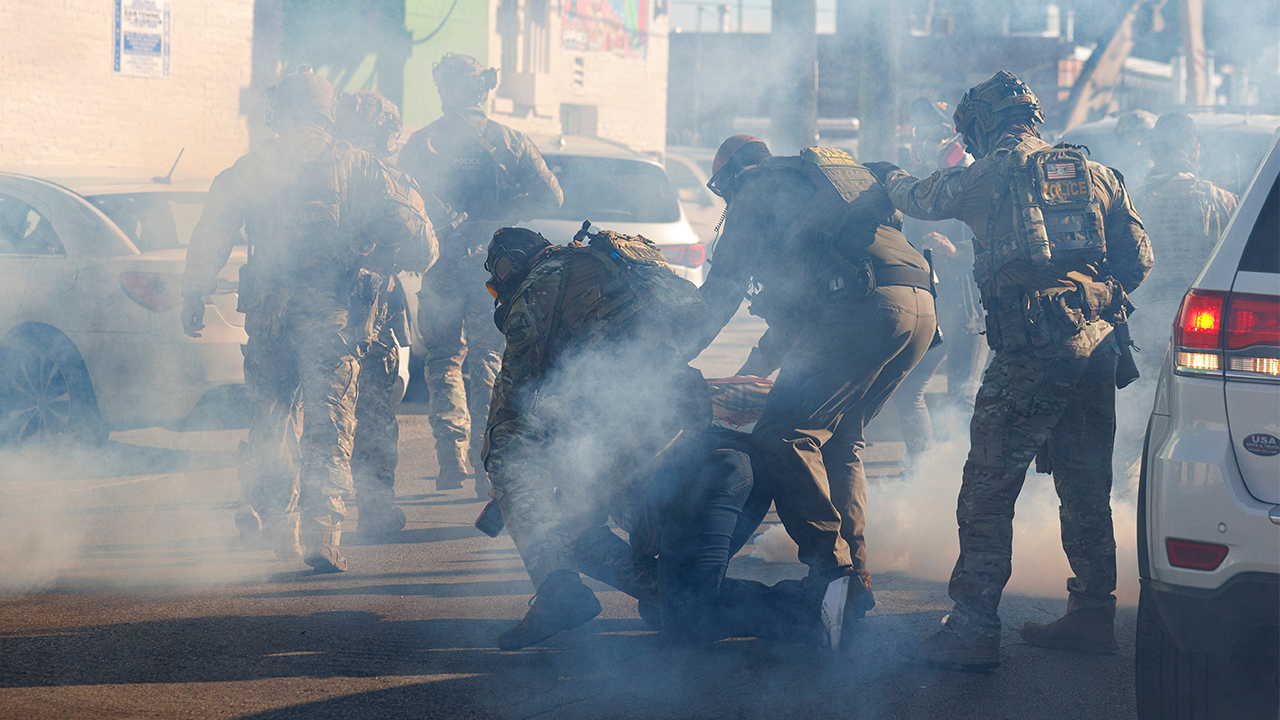
The original injunction prohibited agents from using physical force and chemical agents such as tear gas and pepper balls unless necessary to prevent “an immediate threat.” Ellis determined that the use of these tactics violated the constitutional rights of journalists and protesters who had gathered near enforcement operations.
During court proceedings, witnesses testified they were tear-gassed, shot with pepper balls while praying, and had firearms pointed at them by federal agents. Ellis found testimony from Trump administration witnesses “simply not credible,” specifically citing Gregory Bovino, a Border Patrol commander who led the Chicago operation before being reassigned to North Carolina.
The Justice Department argued forcefully against Ellis’s order, claiming it hampered law enforcement’s ability to fulfill its duties and could “subvert” constitutional structures. The appeals court agreed in part, stating the order resembled a federal regulation in how specifically it detailed prohibited weapons and tactics.
The immigration enforcement operation, which began in September, involved approximately 230 officers from U.S. Customs and Border Protection under Bovino’s leadership. Despite controversy surrounding their tactics, Bovino has consistently defended the agents’ use of force. Similar federal border agent deployments are reportedly planned for New Orleans in the near future.
This immigration operation has become a legal battleground, spawning multiple lawsuits beyond the use-of-force complaints. Additional legal challenges include allegations of inhumane conditions at a federal immigration detention facility outside Chicago. These claims prompted a federal judge and attorneys to conduct an inspection visit to the U.S. Immigration and Customs Enforcement center last week.
The Department of Homeland Security welcomed the appeals court’s intervention. DHS spokeswoman Tricia McLaughlin characterized the stay as “a win for the rule of law and for the safety of every law enforcement officer.”
The case highlights ongoing tensions between aggressive immigration enforcement policies and civil liberties concerns. Immigration rights advocates argue that tactics used in the Chicago operation represent an unnecessary escalation in force, while federal authorities maintain these measures are required to effectively enforce immigration laws.
The appeals court’s decision ensures that the debate over appropriate use of force in immigration enforcement will continue through the judicial system, with implications for similar operations nationwide. While this ruling provides temporary relief for federal immigration authorities, the court indicated that more precisely tailored restrictions could eventually be implemented following full appellate review.
As federal immigration operations expand to other cities, the legal precedents established in this Chicago case may significantly impact how immigration enforcement is conducted across the country in the coming months.
Fact Checker
Verify the accuracy of this article using The Disinformation Commission analysis and real-time sources.

10 Comments
Interesting development on the use of force by immigration agents in Chicago. This seems like a complex issue balancing law enforcement needs and civil liberties. I’m curious to see how the appeals process unfolds and whether a more balanced approach can be found.
Yes, it will be important to see if the appeals court can strike the right balance here. Protecting public safety while also respecting constitutional rights is not always straightforward.
The reversal of the restrictions on immigration agents’ use of force raises concerns about potential overreach and civil liberties violations. I hope the appeals process leads to a measured approach that upholds the rule of law.
Agreed. It’s a delicate balance, and I’m glad the appeals court recognized the need for a more tailored order that addresses both law enforcement needs and individual rights.
This reversal of restrictions on immigration agent force raises important questions about civil liberties and the appropriate use of law enforcement tactics. I’ll be following the appeals process closely to see how the courts navigate this complex balance.
Agreed, it’s a challenging issue with valid concerns on both sides. Hopefully the final outcome will provide clearer guidance on the acceptable use of force in these types of operations.
The use of force by law enforcement is always a sensitive topic. I hope the appeals court can provide clarity on the appropriate balance between effective law enforcement and safeguarding the rights of journalists and protesters in this case.
Yes, this is a delicate issue that deserves thorough examination. It’s encouraging to see the appeals court recognize the need for a more tailored approach.
This is a complex issue with valid arguments on both sides. I’ll be following the appeals process closely to see if a more nuanced solution can be found that protects public safety without unduly restricting civil liberties.
Absolutely. It’s crucial that any restrictions on force by immigration agents are carefully considered and justified, to ensure they are necessary and proportionate.