


Listen to the article
Nevada Legislature’s Special Session Concludes with Mixed Results for Governor
Nevada’s special legislative session wrapped up Wednesday with a significant setback for film industry supporters as a controversial tax credit package fell short by just one vote. The proposal would have provided $95 million in annual transferable tax credits to Sony Pictures Entertainment and Warner Bros. Discovery for a new production facility in Las Vegas suburbs.
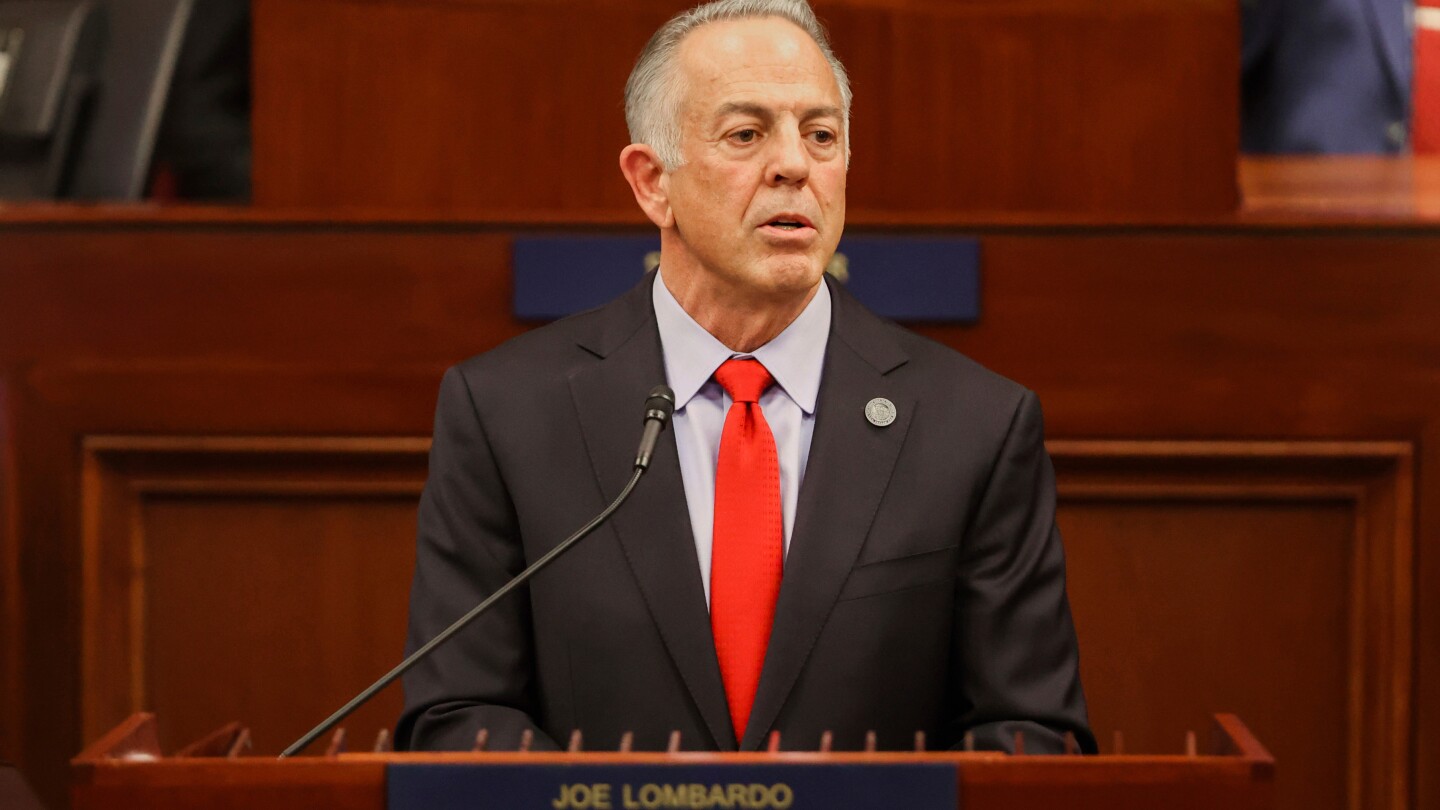
The failure represents a blow to both Republican Governor Joe Lombardo and industry supporters who spent over a million dollars lobbying for the measure. The Summerlin Studios Project would have created 10 movie stages, hotels, and a medical center, which proponents argued would generate 19,000 construction jobs and 18,000 permanent positions.
“Southern Nevada workers in general need job opportunities,” said Alfonso Lopez, an organizer with Sheet Metal Workers Local 88, during a legislative hearing. Construction workers advocated strongly for the bill, noting that many haven’t worked on major projects since the completion of entertainment destinations like the Fontainebleau and the Sphere.
Despite passing the Assembly after concessions that included funding for retired state employee medical expenses and pre-K programs in Las Vegas-area schools, the proposal ultimately failed in the Senate. Critics from both parties questioned its financial prudence amid legislative fiscal staff predictions of a $260 million deficit by 2030.
“If Hollywood is the emergency, then Nevada leaders have lost the plot, and if tone deafness were taxable, perhaps our schools would be fully funded,” said Alexander Marks, deputy executive director of field and communications at the Nevada State Education Association.
The governor did secure a victory with the passage of his flagship crime bill, the “Safe Streets and Neighborhoods Act,” which increases penalties for numerous crimes including smash-and-grab robberies, assault against hospitality workers, and fatal DUIs. The legislation also revives a court program handling criminal cases originating on the Las Vegas Strip that had ended in 2024.
This court program coincided with orders banning repeat offenders from the Strip for a year, a measure strongly supported by both the resort industry and Nevada’s most powerful union. Proponents argue the program is essential for maintaining safety in the tourism corridor, especially during a period of declining visitor numbers.
“The success and failure of tourism as a destination is closely related to providing its tourists and our employees with a safe and secure environment,” said Karlos LaSane, a regional vice president at Caesars Entertainment.
Critics, however, contend the program disproportionately targets homeless individuals. Brennan Bartley, a public defender who represented clients in the Resort Corridor Court, testified that many of his homeless clients weren’t engaged in wrongdoing and never received promised resources. “These are failed experiments that harm some of the most vulnerable among us,” Bartley said.
The Democratic-majority Senate made notable modifications to the crime bill, adding immigration-related provisions that require detention facilities to maintain a running list of people they hold. The amendments also prohibit law enforcement officers, including immigration officers, from entering school grounds without a warrant or obtaining information about students.
Governor Lombardo, who had previously vetoed similar immigration-related legislation in June, indicated he would support the amended version. His office stated on social media that the bill now abides by the constitution while still allowing law enforcement to keep schools safe.
“At Governor Lombardo’s direction, the State of Nevada will continue to cooperate with federal immigration authorities to ensure Nevada remains safe from criminal illegal aliens who seek to bring harm and chaos to our communities,” his press office posted on X (formerly Twitter).
The special session was viewed as an opportunity for Lombardo to advance major policy priorities ahead of the 2026 election. As one of the most vulnerable Republican governors facing reelection, Lombardo emphasized the urgency of the session’s agenda. “Nevadans deserved action now — not years from now — on the issues that most impact their daily lives,” he said in a statement Wednesday.
Fact Checker
Verify the accuracy of this article using The Disinformation Commission analysis and real-time sources.

11 Comments
The Summerlin Studios project sounded like it could have been a significant economic driver for Nevada, but I can see why lawmakers were hesitant to approve such a large tax credit package. It’s a complex decision with valid arguments on both sides.
Curious to know more about the specific concessions and compromises that were made to try to get this bill passed. The narrow margin suggests there was some difficult negotiation involved.
This vote highlights the challenges states face in trying to attract and retain film productions. The potential economic benefits have to be weighed against the costs and tradeoffs of providing significant tax credits. It’s a complex issue without easy answers.
I’m curious to see if Nevada explores any alternative incentive programs or policies to support the film industry, rather than relying solely on tax credits.
It’s understandable that Nevada lawmakers would be cautious about approving a $95 million annual tax credit program, even for a potentially significant project like the Summerlin Studios. The narrow vote suggests there were valid concerns on both sides of the issue.
I wonder if there are any other ways Nevada could support the film industry, such as investing in infrastructure, workforce training, or marketing, rather than relying solely on tax credits.
Interesting to see Nevada lawmakers rejecting this film tax credit proposal. While it could have brought jobs and economic activity, I can understand concerns about the costs and broader impacts. It will be worth watching how this plays out and if there are any alternative approaches considered.
Tax incentives for the film industry are always a contentious issue. Weighing the potential benefits against the costs to taxpayers is a delicate balance.
While the film industry can bring jobs and investment, I’m not surprised Nevada lawmakers were cautious about this large tax credit program. It will be interesting to see if the proponents come back with a revised proposal or if they explore other options to support the industry.
The debate around this film tax credit proposal illustrates the difficult balance lawmakers have to strike between supporting economic development and being fiscally responsible. It will be interesting to see if the issue comes up again in the future.
This vote highlights the complexity of these types of economic development decisions. While the potential jobs and investment are appealing, the costs to taxpayers have to be carefully considered. It will be interesting to see if the issue comes up again in the future.