


Listen to the article
Chicago’s immigration crackdown continues to reverberate through communities even as the operation’s intensity has diminished, leaving residents on edge and sparking legal challenges across the region.
While the Border Patrol commander who led the controversial surge has moved on to North Carolina, federal agents continue to make arrests across Chicago and its suburbs. The operation, which drew widespread criticism in the Democratic stronghold, has left many residents anxious about when enforcement might intensify again.
“I feel a sense of paranoia over when they might be back,” said Santani Silva, who works at a vintage store in Pilsen, a predominantly Mexican neighborhood. “People are still afraid.”
For over two months, the Chicago area was the focus of an aggressive operation led by Gregory Bovino, a Border Patrol commander known for similar enforcement surges in Los Angeles and who is now headed to Louisiana. Armed and masked agents used unmarked SUVs and helicopters throughout the city and suburbs to target suspected immigration violators.
Though the intensity has decreased since Bovino’s departure, arrests continue. Activists monitoring immigration enforcement reported approximately 142 daily agent sightings at the operation’s peak last month, compared to roughly six per day currently.
“It’s not over,” said Brandon Lee with the Illinois Coalition for Immigrant and Refugee Rights. “I don’t think it will be over.”
The suburb of Broadview, home to about 8,000 residents and a U.S. Immigration and Customs Enforcement processing center, has borne the brunt of the enforcement action. Protests outside the facility have grown increasingly confrontational, with federal agents using chemical agents that affected nearby neighborhoods. Local police have launched three criminal investigations into federal agents’ tactics.
Broadview officials took the unusual step of declaring a civil emergency last week and moving public meetings online, even after Bovino’s departure. Mayor Katrina Thompson cited bomb threats, death threats, and violent protests as reasons for the decision.
“I will not allow threats of violence or intimidation to disrupt the essential functions of our government,” Thompson said.
While the Department of Homeland Security has touted more than 3,000 arrests, it has provided specific details on only a handful of cases where undocumented immigrants had criminal histories. Federal court data paints a different picture than what the administration has promoted on social media.
Of 614 immigrants arrested and detained around Chicago in recent months, only 16—less than 3%—had criminal records considered a “high public safety risk,” according to government data submitted to the court as part of a 2022 consent decree. These offenses included domestic battery and drunk driving.
A judge determined hundreds of immigrant detainees qualify for release on bond, though an appeals court has temporarily paused these releases. Legal experts anticipate many more cases as details about arrests become available.
“None of this has quite added up,” said Ed Yohnka with the American Civil Liberties Union of Illinois, which has been involved in several lawsuits. “What was this all about? What did this serve? What did any of this do?”
The crackdown has generated numerous lawsuits challenging agents’ use of force and detention conditions. Recently, clergy members sued the Trump administration, alleging they were prevented from providing religious services inside a facility. Federal prosecutors have repeatedly dropped charges against protesters and bystanders, including dismissing charges against a woman shot several times by a Border Patrol agent last month.
Federal agents are also under investigation for the fatal shooting of Silverio Villegas González during a traffic stop. An autopsy report obtained by The Associated Press revealed González died from a gunshot wound to the neck fired at “close range.” The death was ruled a homicide. Mexico’s president has called for a thorough investigation, while ICE has denied using excessive force.
González, a 38-year-old father who had lived in the U.S. for two decades, was buried in Mexico’s Michoacan state in October.
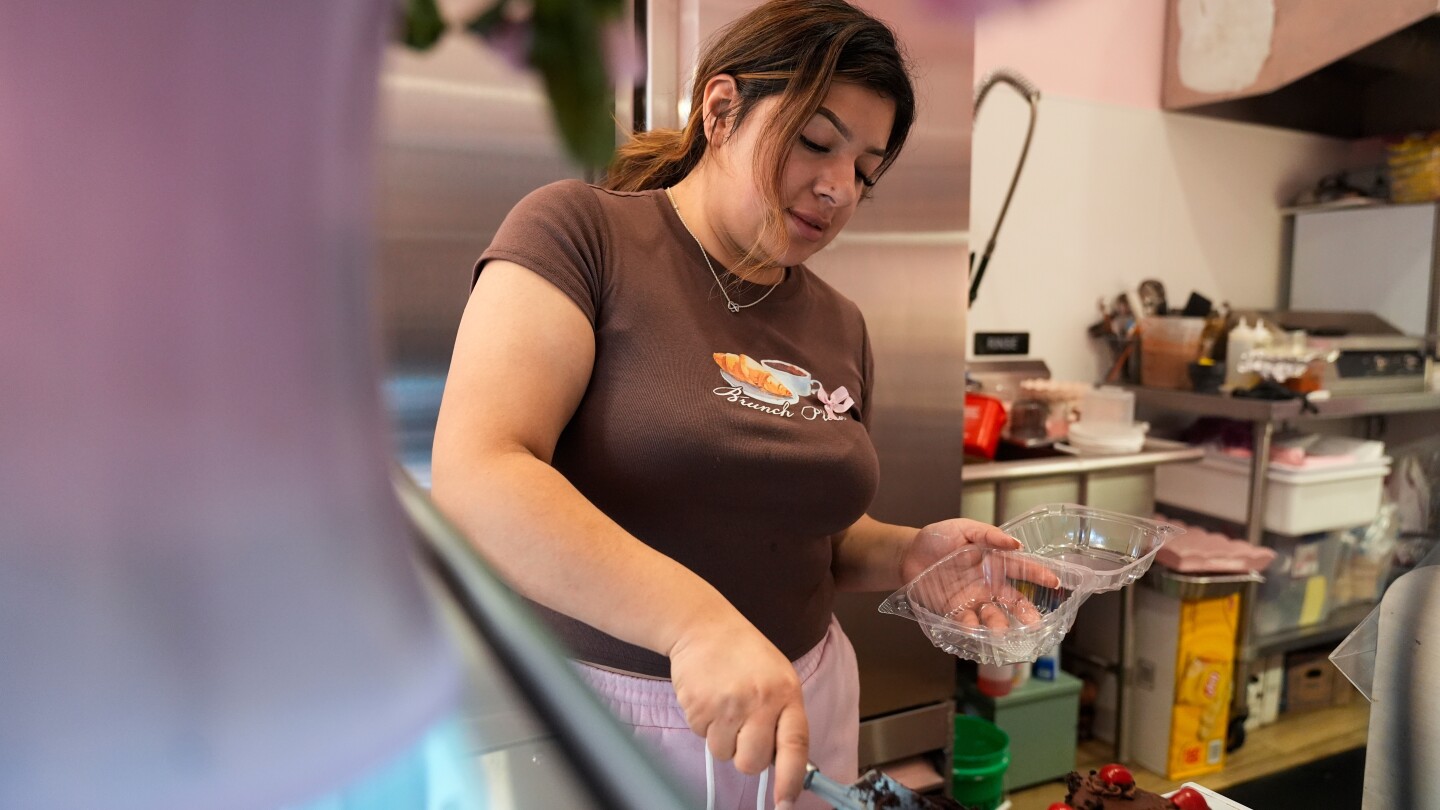
The operation has had a chilling effect on Chicago’s immigrant communities, though some areas are showing signs of recovery. Andrea Melendez, who owns Pink Flores Bakery and Cafe, noted an increase in sales after months of struggling.
“As a new business, I was a bit scared when we saw sales drop,” she said. “But this week I’m feeling a bit more hope that things may get better.”
For many residents, the fear persists. Eleanor Lara, a 52-year-old U.S. citizen married to a Venezuelan man with uncertain legal status, continues to avoid unnecessary outings.
“We’re still sticking home,” she said, noting that she carries her birth certificate out of fear, despite being a citizen herself.
Fact Checker
Verify the accuracy of this article using The Disinformation Commission analysis and real-time sources.

11 Comments
The anxiety and fear expressed by local residents is understandable. Immigration is a complex issue, but the wellbeing of communities should be the top priority for law enforcement.
I’m curious to learn more about the specific tactics and protocols used by the Border Patrol commander in leading this crackdown. Transparency around such operations is crucial for maintaining public trust.
It’s understandable that the local residents feel a sense of anxiety and paranoia after this crackdown. Building trust between communities and law enforcement will be key to moving forward in a constructive way.
While immigration enforcement is a complex and sensitive issue, the wellbeing of local communities should be the top priority. I hope the authorities can find a more balanced approach that doesn’t leave people constantly on edge.
While the intensity of the crackdown may have diminished, the lingering effects on the local communities are still quite concerning. Rebuilding trust will be an ongoing challenge.
The use of unmarked vehicles and helicopters to target suspected immigration violators seems quite concerning. I hope the investigations can shed light on whether proper procedures were followed.
Yes, that raises a lot of questions about civil liberties and due process. Transparency and accountability will be crucial going forward.
This immigration crackdown in Chicago sounds quite intense and disruptive for the local communities. I hope the authorities can find a balanced approach that respects people’s rights while also addressing any legitimate concerns.
Agreed, a heavy-handed approach often leads to more problems than it solves. Hopefully the legal challenges can help find a more humane solution.
This situation highlights the need for clear, consistent, and humane immigration policies at the national level. Reactive, ad-hoc enforcement actions often end up causing more harm than good.
The legal challenges stemming from this crackdown will be important to watch. Upholding civil rights and due process must be a central concern, even in the context of immigration enforcement.