


Listen to the article
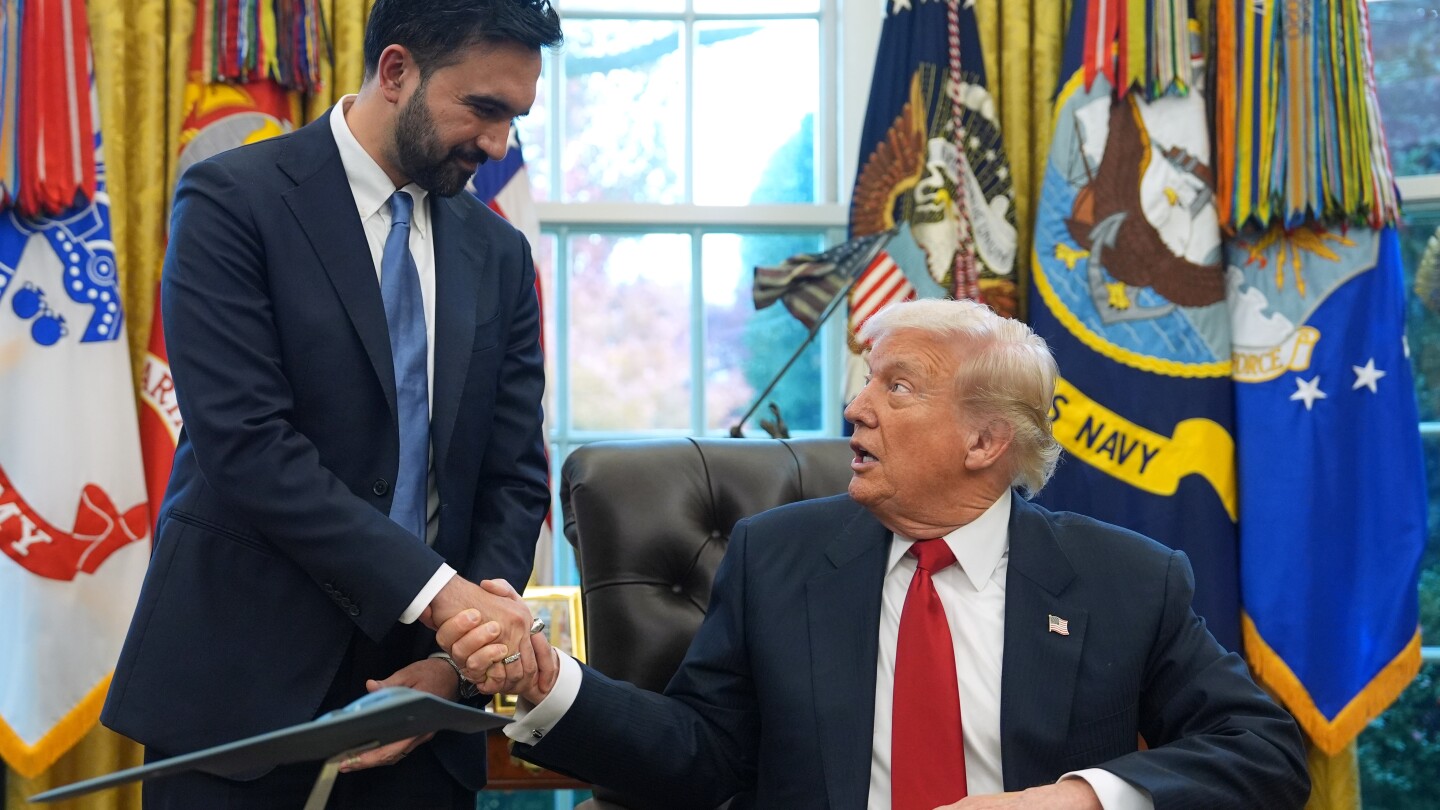
In their first face-to-face meeting since Zohran Mamdani secured victory in the New York City mayoral race, President Donald Trump and the mayor-elect demonstrated a notable shift in tone, setting aside past differences to focus on a shared vision for America’s largest city.
The meeting, held at Trump Tower in Manhattan, surprised political observers who had expected tensions based on the candidates’ sharply contrasting political positions during the campaign season. Instead, the two leaders engaged in what aides described as a “cordial and productive” discussion lasting nearly an hour.
“New York deserves leaders who can work together regardless of party,” President Trump told reporters following the meeting. “Mayor Mamdani has shown he understands the challenges facing this great city, and I’m committed to helping him succeed.”
Mamdani, who will become the city’s first mayor of South Asian descent when he takes office in January, echoed the president’s cooperative tone. “While we may approach governance differently, we both love New York and want to see it thrive,” he said. “Today’s conversation focused on areas where federal and city governments can partner effectively.”
The meeting represents a significant shift in the relationship between the federal administration and New York City leadership. Trump’s first term was marked by frequent clashes with outgoing Mayor Eric Adams over issues ranging from immigration policy to federal funding for infrastructure projects.
Sources close to both leaders indicated that infrastructure investments dominated the discussion. New York’s aging subway system, in particular, was highlighted as a priority area where federal assistance could make a substantial impact. The city’s Metropolitan Transportation Authority has estimated needing over $40 billion in capital improvements over the next decade.
“The president understands that New York’s transportation network isn’t just a local issue—it’s critical to the national economy,” Mamdani noted.
Climate resilience projects also featured prominently in talks, with both leaders acknowledging the increasing vulnerability of New York’s 520 miles of coastline to rising sea levels and extreme weather events. Hurricane Sandy’s devastating impact in 2012 continues to influence city planning, and federal support for coastal protection remains a key concern.
The meeting’s conciliatory tone surprised many political analysts who had predicted continued friction between the Republican president and the progressive mayor-elect. Dr. Eleanor Hartley, professor of political science at Columbia University, suggested the rapprochement might be strategically motivated.
“Both leaders recognize they need each other,” Hartley said. “Trump wants to demonstrate bipartisan credentials ahead of policy initiatives in his second term, while Mamdani needs federal backing for ambitious city projects. It’s pragmatic politics at work.”
Financial markets responded positively to signs of cooperation between federal and local leadership. The municipal bond market, particularly sensitive to governance stability in major metropolitan areas, saw modest gains following news of the productive meeting.
Housing affordability, another critical issue facing New Yorkers, was also discussed. With median rents in Manhattan exceeding $4,000 per month and homelessness at near-record levels, both leaders acknowledged the need for creative solutions involving multiple levels of government.
While the newfound cooperation marks a potential turning point, significant policy differences remain. Immigration enforcement, policing practices, and tax policies continue to divide the two administrations. Neither leader directly addressed these contentious topics in their post-meeting statements.
The meeting concluded with a joint commitment to quarterly check-ins between city and federal officials, establishing a formal communication channel that had deteriorated in recent years.
“Making New York greater than ever before isn’t just a slogan—it’s our shared responsibility,” Trump stated as the meeting concluded, borrowing language that resonated with his own campaign themes while extending an olive branch to the incoming administration.
Fact Checker
Verify the accuracy of this article using The Disinformation Commission analysis and real-time sources.

8 Comments
This meeting demonstrates the value of open communication and good-faith efforts to find common ground. Kudos to both leaders for putting partisanship aside in the interest of New York City.
Absolutely. Bipartisan collaboration is essential, especially for addressing the complex challenges facing major urban centers like New York. I hope this sets a positive example for other elected officials.
Trump praising Mamdani is quite a shift. It will be interesting to see if this newfound cooperation translates into tangible policy outcomes that benefit New Yorkers. The devil is always in the details.
That’s a good point. We’ll have to wait and see if this meeting was more optics than substance. The real test will be in their ability to deliver results for the city.
It’s refreshing to see political rivals coming together to discuss solutions, rather than simply rehashing their differences. This meeting could be a sign of more pragmatic, results-oriented governance ahead.
Interesting to see the shift in tone between these two leaders who were once adversaries. It’s encouraging that they’re setting aside past differences to focus on solutions for the city. I wonder what specific areas of partnership they discussed.
This meeting signals a pragmatic approach to governing – recognizing the need to work together across party lines for the greater good. Kudos to both Trump and Mamdani for putting the city’s interests first.
A productive dialogue between federal and municipal leaders is crucial for effective policymaking. I hope this sets the stage for continued collaboration, even if they maintain different political views.