


Listen to the article
In a week marked by viral misinformation across social media platforms, fact-checkers have been working overtime to debunk false claims targeting political figures and stoking communal tensions.
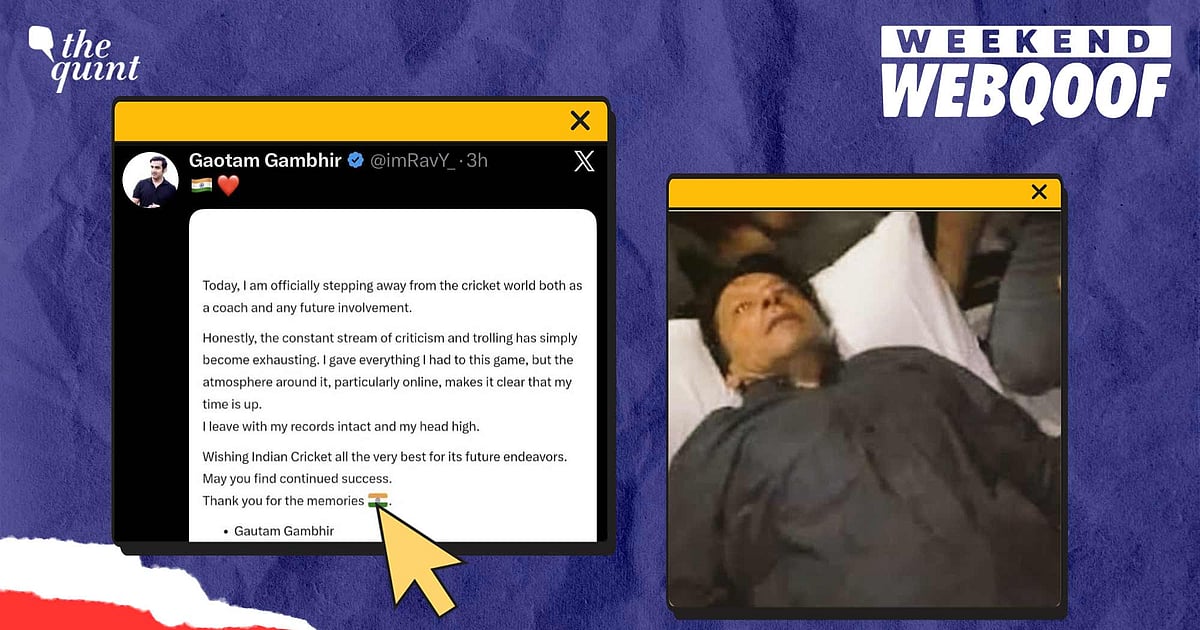
Several viral posts falsely claimed former Pakistani Prime Minister Imran Khan had died in prison, spreading rapidly across X (formerly Twitter) and Facebook. The rumor gained traction after Khan’s political party, Pakistan Tehreek-e-Insaf (PTI), reported concerns about his health and alleged mistreatment in jail. However, official statements from Khan’s legal team confirmed he remains alive, though they continue to raise alarms about prison conditions.
The spread of such misinformation highlights the volatile information environment surrounding Khan since his imprisonment last year on corruption charges, which his supporters claim are politically motivated. This incident demonstrates how easily false information can proliferate during periods of political tension, particularly regarding high-profile figures.
In India, former cricketer and newly appointed BJP East Delhi MP Gautam Gambhir became the target of misleading claims. Social media posts circulated a video purportedly showing Gambhir making derogatory remarks about Islam. Fact-checkers determined the video was digitally manipulated, with audio from another source superimposed over footage of Gambhir speaking at a different event. The BJP leader has since filed a police complaint regarding the doctored video.
The incident comes at a sensitive time for Indian politics following the recent general elections, where religious identity and communal harmony remained contentious issues.
Communal tensions were further inflamed by false claims about a violent incident in Uttar Pradesh’s Bahraich district. Several viral posts alleged that members of the Muslim community attacked a Hindu procession, resulting in fatalities. However, local police officials clarified that the violence stemmed from a land dispute between two families and had no communal angle. Authorities have registered cases against individuals spreading the misinformation.
This pattern of falsely attributing communal motives to localized disputes has become increasingly common on Indian social media, requiring prompt intervention from law enforcement and fact-checkers to prevent potential escalation into wider unrest.
Electoral misinformation also featured prominently this week, with misleading claims about Electronic Voting Machine (EVM) functionality resurfacing. A viral video purported to show an EVM registering votes only for the BJP regardless of which button was pressed. The Election Commission of India dismissed these claims, explaining that the footage showed a demonstration model not used in actual elections.
EVM reliability has been a recurring point of contention in Indian politics, with opposition parties occasionally questioning their integrity. The Election Commission maintains that the actual voting machines used in elections contain multiple security features and are subject to rigorous verification processes.
International events also provided fodder for misinformation, with fabricated news about global economies and diplomatic relations circulating widely. Misleading economic statistics and manufactured statements from foreign leaders were debunked by fact-checking organizations.
Media literacy experts note that the persistence of such misinformation, despite active fact-checking efforts, points to deeper challenges in the digital information ecosystem. The rapid spread of false claims across platforms, often amplified by algorithmic recommendations, continues to outpace verification processes.
Authorities are increasingly calling for greater responsibility from social media platforms in curbing the spread of potentially harmful misinformation, particularly that which could incite violence or undermine democratic processes. Meanwhile, fact-checkers emphasize the importance of public skepticism and verification before sharing content online.
As the digital information landscape grows more complex, the battle against misinformation remains a critical aspect of maintaining informed public discourse and social harmony.
Fact Checker
Verify the accuracy of this article using The Disinformation Commission analysis and real-time sources.

10 Comments
Interesting to see fact-checkers working hard to debunk false claims around high-profile political figures. Misinformation can spread quickly, especially during times of tension. It’s important to rely on official sources and not get caught up in unverified rumors.
Absolutely. Responsible reporting and verification is crucial to prevent the spread of harmful misinformation, especially when it involves sensitive political issues.
This incident underscores the importance of having a robust fact-checking ecosystem to counter the spread of false claims, especially during periods of political volatility. Responsible journalism and media literacy are key to navigating the information landscape.
Absolutely. Fact-checkers play a vital role in debunking misinformation and maintaining the integrity of public discourse. Their efforts help ensure citizens have access to reliable, verified information.
The situation with Gautam Gambhir shows how even public figures can become targets of misleading claims. It’s a good reminder to always verify information before sharing, especially if it seems sensational or politically charged.
Yes, the proliferation of misinformation is a concerning trend that requires vigilance from both media outlets and the general public. Fact-checking and critical analysis are crucial to maintaining an informed and truthful discourse.
The rumor about Imran Khan’s death highlights how easily false information can proliferate, especially on social media. It’s concerning to see such claims gaining traction, underscoring the need for vigilance and critical thinking when consuming online content.
Agreed. Fact-checking is essential to counter the rapid spread of misinformation, which can have serious consequences, particularly around high-profile political figures and events.
The proliferation of misinformation around high-profile figures like Imran Khan and Gautam Gambhir is a concerning trend. It’s a good reminder to always cross-reference claims with credible sources and avoid spreading unverified information, even if it seems compelling.
Well said. In today’s digital age, it’s crucial that we all strive to be more discerning consumers of information and work to counter the spread of false narratives, especially when they involve sensitive political or social issues.