


Listen to the article
In a crucial effort to combat vaccine misinformation, health professionals from across the Americas will gather for a virtual webinar on Friday, November 21, 2025, focusing on strategies to identify and counter false claims about immunization.
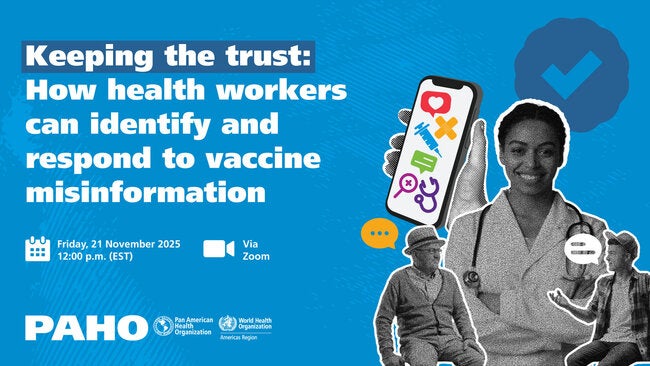
The Pan American Health Organization (PAHO) is hosting the online event titled “Keeping the trust: How health workers can identify and respond to vaccine misinformation” beginning at 12:00 p.m. Eastern Standard Time. The session will feature simultaneous interpretation in English, Spanish, and Portuguese to ensure accessibility across the region.
The timing of this initiative comes amid growing concern about the impact of misinformation on vaccination rates throughout the Americas. Public health officials have noted that even previously vaccinated individuals can be influenced by misleading claims, creating challenges for ongoing immunization programs against preventable diseases.
“Vaccination is a complex behavior influenced by a variety of factors,” noted a PAHO representative in the event announcement. “Exposure to misinformation about vaccines has been shown to negatively impact individuals’ attitudes and intentions toward vaccination, even among people who have previously been vaccinated.”
The webinar will specifically target health workers, who consistently rank as the most trusted sources of vaccine information for patients and communities. National immunization program managers and health communicators from partner organizations are also encouraged to participate, reflecting the multi-level approach needed to address the issue.
Daniel Salas, Executive Manager of PAHO’s Comprehensive Immunization Special Program, will deliver opening remarks to set the context for the discussion. The main presentation will be conducted by Lauren Vulanovic, a consultant with PAHO’s immunization program, who will explore the origins and mechanisms of vaccine misinformation.
Following the primary session, Jesús Vargas from Bolivia Verifica will lead a practical application segment, demonstrating real-world techniques for identifying and addressing misinformation. A question-and-answer session will conclude the event, allowing participants to engage directly with the presenters.
The comprehensive agenda will cover several critical areas, including the tactics used to create misinformation, recognizable red flags that signal potential false claims, and practical approaches health workers can employ when communicating with patients, community members, and professional peers.
Public health experts have emphasized that understanding how and why vaccine misinformation spreads is essential to maintaining public trust in immunization programs. The webinar aims to equip frontline health workers with tools to recognize manipulation techniques often used in anti-vaccine messaging.
This initiative comes at a time when health authorities across the Americas continue to battle multiple vaccine-preventable diseases. The challenge has been compounded by the proliferation of misinformation through social media and other digital channels, which can rapidly undermine confidence in proven public health measures.
Health communication specialists note that rebuilding trust in vaccination programs requires both proactive and reactive strategies. The webinar will address both approaches, offering guidance on preventing misinformation from taking hold and responding effectively when false claims have already spread.
Participants must register in advance through PAHO’s online platform. The organization has also provided resources for checking the corresponding local time in different cities throughout the region to facilitate broad participation across time zones.
As vaccination campaigns continue to face challenges from misinformation, this training represents part of a larger regional strategy to protect public health through evidence-based communication and community engagement.
Fact Checker
Verify the accuracy of this article using The Disinformation Commission analysis and real-time sources.

11 Comments
As someone who believes strongly in the power of vaccination, I applaud PAHO’s efforts to arm healthcare workers with the knowledge and strategies to defend the science behind immunization programs.
This webinar aligns with the critical need to address vaccine hesitancy, which has become a growing challenge in many parts of the Americas. I’m hopeful it will yield practical, scalable solutions.
Absolutely. Equipping health professionals to counter misinformation is a smart and timely approach.
I’m curious to learn more about the specific tactics and frameworks that will be covered in this webinar. Effectively countering misinformation requires a nuanced, multi-pronged strategy.
Maintaining public trust in vaccines is essential, so I’m glad to see PAHO taking this proactive step. Healthcare workers need to be equipped with the right tools to combat misinformation.
Vaccination rates have been a concerning issue, so I’m glad to see PAHO taking proactive steps to equip health professionals with the tools to identify and respond to misinformation. This multilingual approach should help reach diverse communities across the Americas.
This webinar sounds like an important initiative to combat vaccine misinformation. As healthcare workers on the frontlines, they’re well-positioned to identify and address false claims that can undermine public trust in immunization programs.
It’s crucial that public health authorities stay ahead of the misinformation curve. This webinar looks like a valuable opportunity for health workers to learn effective strategies for maintaining vaccine confidence and promoting evidence-based practices.
Misinformation can have real public health consequences, so I’m hopeful this webinar will give healthcare providers the knowledge and resources they need to combat false claims and reinforce the importance of vaccination.
Agreed. Empowering frontline workers to address misinformation head-on is a smart approach.
The timing of this event is particularly relevant given the recent dips in vaccination rates. I hope the discussions and takeaways from this webinar can be widely shared to maximize the impact.