


Listen to the article
In the wake of the dramatic U.S. military operation that resulted in the capture of Venezuelan leader Nicolás Maduro, a flood of misinformation has spread across social media platforms, with artificial intelligence playing a significant role in creating deceptive content.
Within just 48 hours of the operation, posts containing at least five fabricated or misleading images and two misrepresented videos purporting to show the Caracas raid garnered more than 14 million views on X (formerly Twitter) alone. The content also circulated, albeit with less reach, on Instagram, Facebook, and Threads, according to an investigation by NewsGuard.
The misinformation campaign appears to have been primarily driven by pro-Trump social media users who shared the manipulated content, presenting it as authentic documentation of the military action in Venezuela’s capital.
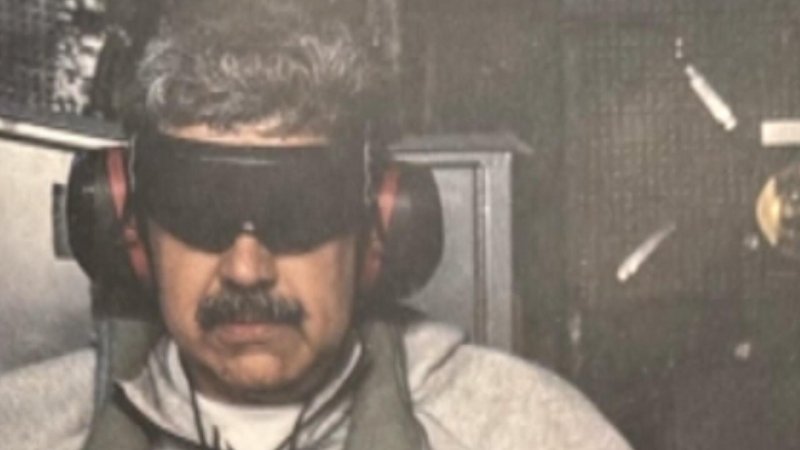
One particularly viral image claimed to show a U.S. soldier posing with the captured Maduro. Analysis revealed this was actually a historical photograph from December 2003, depicting the capture of former Iraqi leader Saddam Hussein. The image had been repurposed to fit the current narrative around Maduro’s apprehension.
In another instance, a video circulated that allegedly showed U.S. Special Forces storming a Venezuelan military installation. Fact-checkers determined this footage actually originated from a June 2025 celebration at Fort Bragg, a U.S. military base in North Carolina, and had no connection to operations in Venezuela.
Security experts note that while the U.S. military operation at Fuerte Tiuna in Caracas did indeed take place, no verified footage of the actual raid has been released to the public. This information vacuum created an opportunity for misinformation to flourish.
The situation highlights a growing concern among media analysts and intelligence officials: even when real events occur, the proliferation of increasingly realistic AI-generated visuals can blur the line between fact and fiction, making it challenging for the public to distinguish authentic news from fabrications.
The spread of misinformation surrounding Maduro’s capture represents a particularly concerning development in the evolving landscape of information warfare. Venezuela, as a major oil producer and a country with significant geopolitical ties to Russia, China, and Iran, sits at the center of competing international interests. Misleading narratives about military operations in the region can potentially inflame diplomatic tensions and complicate international relations.
Media literacy experts point out that the speed at which this misinformation spread—reaching millions within days—demonstrates the ongoing challenge social media platforms face in moderating false content during breaking news events. The platforms’ algorithms often amplify sensational content before fact-checkers can verify its authenticity.
The incident comes at a time when U.S. relations with Venezuela were already strained. The Maduro government has long accused the United States of interference in Venezuelan affairs, and this misinformation campaign could further complicate diplomatic efforts in the region.
Intelligence analysts note that the deliberate spread of false imagery can serve multiple purposes: confusing the public about actual events, undermining trust in legitimate reporting, and potentially providing cover for various political narratives about U.S. military actions abroad.
As investigations into the real circumstances of Maduro’s capture continue, authorities urge the public to rely on verified information from official sources and established news organizations rather than unverified social media content. Media watchdogs recommend checking multiple sources and being particularly skeptical of dramatic imagery during breaking news situations.
This incident serves as a stark reminder that in the digital age, the battlefield extends beyond physical confrontation to include the struggle for information integrity—a front where AI-generated content is increasingly becoming a powerful weapon.
Fact Checker
Verify the accuracy of this article using The Disinformation Commission analysis and real-time sources.

10 Comments
It’s disappointing to see social media users, especially those with pro-Trump leanings, actively participating in the spread of misinformation. This highlights the need for better media literacy and a more critical approach to content shared online, regardless of one’s political affiliations.
Absolutely. Misinformation should be condemned regardless of the ideological motivations behind it. Maintaining objectivity and fact-based discourse is crucial, especially on sensitive geopolitical issues.
While the spread of misinformation is troubling, it’s encouraging to see that fact-checking efforts were able to identify and debunk the fabricated content. This highlights the crucial role that reliable journalism and media literacy play in maintaining an informed public discourse.
That’s a good observation. The ability to quickly identify and correct misinformation is essential in today’s digital landscape, where false narratives can rapidly gain traction if left unchecked.
This is concerning news about the spread of misinformation around the Venezuela situation. It’s worrying to see AI being used to create deceptive content, which can sow confusion and distrust. We need to be vigilant about verifying information, especially when it comes to geopolitical events.
Agreed. The ease with which misinformation can spread online is a real challenge. Fact-checking and critical thinking are essential to counter these tactics.
I’m curious to learn more about the details of this misinformation campaign. What specific techniques were used to create the fabricated images and videos? Understanding the methods can help us develop better ways to detect and prevent such manipulation in the future.
That’s a good point. Investigating the tools and tactics employed by those spreading misinformation could provide valuable insights to improve our defenses against these kinds of attacks.
The use of AI to create misleading content is particularly concerning, as it can make it increasingly difficult to distinguish truth from fiction. This underscores the importance of developing robust methods for detecting and combating AI-generated disinformation.
You raise an important point. As AI capabilities continue to advance, the potential for malicious actors to exploit them for nefarious purposes is a growing concern that needs to be addressed.