


Listen to the article
Vancouver Mayor Ken Sim’s repeated apologies over false accusations against a fellow council member continue to fall short, according to political analysts, highlighting deeper issues in the city’s political landscape.
The mayor issued his third apology on Wednesday regarding claims he made that COPE Councillor Sean Orr had distributed free drugs, allegations that have now been acknowledged as false. Despite these multiple attempts to address the situation, Sim remains embroiled in controversy.
Stewart Prest, a political science lecturer at the University of British Columbia, believes the mayor’s approach to the situation reveals a fundamental misunderstanding of the gravity of his actions.
“This is such a significant lapse in judgment, and it is an error of commission — it’s not just a mistake, it’s not just that he overlooked something,” Prest explained. “He went out of his way to insult another council member, to lead other media to believe that Sean Orr had committed a crime or was doing something along those lines.”
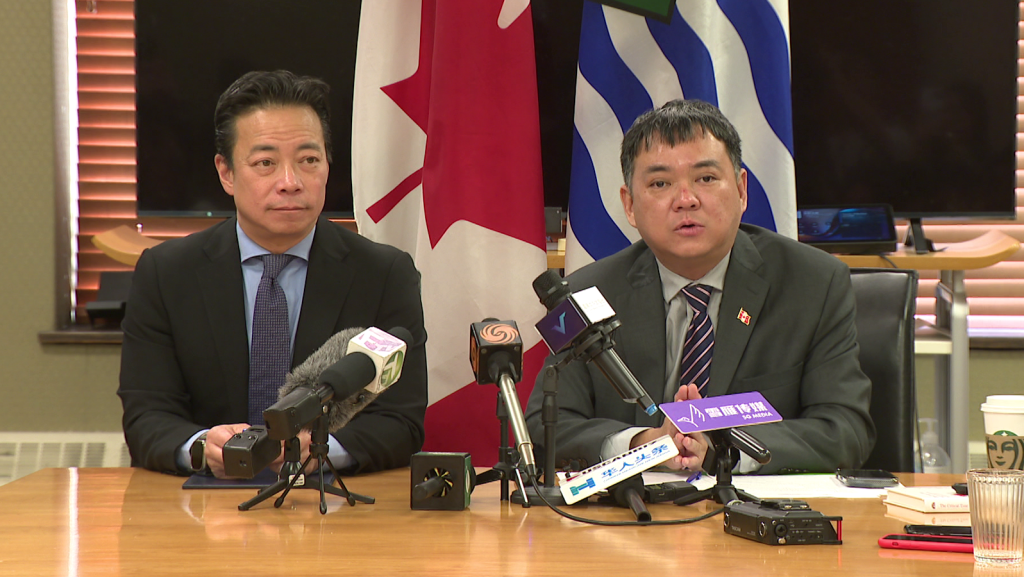
The controversy stems from statements Sim made during a meeting with Chinese-language media outlets last month. The mayor claimed he based his accusations on a photograph he had seen but has been unable to provide details about the source of the image, raising questions about the verification process before making such serious allegations.
Prest suggests Sim’s approach to damage control has been counterproductive, with each new statement drawing more attention to the issue rather than resolving it.
“He is giving his story additional fuel every time he approaches it,” Prest noted. “His goal is, fundamentally, not to take responsibility for his actions and the gravity of the situation, but rather to try to get out of the doghouse and just turn the page.”
Political analysts are particularly concerned about the implications of different messages being delivered to different language communities within Vancouver. This incident has exposed a troubling pattern where political discourse varies significantly between English-language and non-English-language media outlets.
“How politics gets talked about in English-language media, in the dominant conversations, is quite different than what gets said in Chinese-language media and in other language media of non-dominant communities,” Prest warned. “That can lead to isolation. That can lead to prejudice. That can lead to mutual suspicion. That can lead to a kind of division in Vancouver’s politics.”
The incident comes at a sensitive time for Vancouver, a diverse city where community cohesion and trust in public officials are essential for addressing complex urban challenges. Political communications that vary based on linguistic communities risk creating information silos and undermining democratic processes.
The controversy also raises questions about accountability in municipal politics. While Sim has acknowledged his error, critics argue that the repeated apologies without substantial changes in approach suggest a reluctance to fully address the underlying issues.
Despite the ongoing backlash, Mayor Sim has confirmed his intention to run for reelection in the fall. This decision will likely make the incident a defining issue in the upcoming campaign, as voters assess his leadership and judgment in light of these events.
The situation highlights the challenges faced by elected officials in maintaining consistent messaging across Vancouver’s multilingual communities and the consequences when that consistency breaks down. As the city continues to navigate complex social and political issues, the incident serves as a reminder of the importance of responsible communication from public officials across all language groups.
For now, the mayor’s office continues to manage the fallout while civic observers watch closely to see if this incident will have longer-term implications for trust in municipal leadership and political discourse in Vancouver’s diverse communities.
Fact Checker
Verify the accuracy of this article using The Disinformation Commission analysis and real-time sources.

10 Comments
The mayor’s actions seem to reveal a lack of understanding about the gravity of falsely accusing a fellow council member. While apologies are a start, the situation calls for a more comprehensive effort to rebuild trust and address the underlying issues.
Elected officials should be held to high standards when it comes to truthfulness and responsible governance. This controversy could have broader implications for Vancouver’s political landscape if not properly resolved.
The mayor’s repeated apologies seem inadequate given the gravity of the accusations he made against a fellow council member. This type of behavior from an elected official is concerning and warrants a more comprehensive response to address the damage and prevent similar incidents in the future.
Restoring trust and credibility after such a significant lapse in judgment will be a challenge. The mayor may need to consider additional steps, such as a formal investigation or policy changes, to demonstrate a genuine commitment to transparency and accountability.
It’s concerning to see a mayor making unsubstantiated claims about a council member. Even with apologies, this type of behavior can undermine public confidence in local government. The situation warrants a more thorough investigation and response.
I agree, accountability and transparency are crucial for maintaining the integrity of municipal politics. This controversy highlights the need for clear policies and procedures around how elected officials communicate with the public.
This controversy underscores the importance of fact-checking and due diligence, especially for elected leaders. While apologies are a step in the right direction, the mayor may need to take further actions to restore confidence and address the underlying issues.
Maintaining public trust is critical for effective local governance. The mayor’s handling of this situation suggests a need for improved communication practices and a stronger commitment to accountability within the city’s political system.
This situation highlights the importance of elected officials being accountable and correcting misinformation promptly. The mayor’s repeated apologies don’t seem sufficient to resolve the damage caused by his initial false accusations against a fellow council member.
Elected leaders should strive to maintain trust and credibility with the public. Issuing multiple apologies without addressing the root causes of the controversy may not be enough to repair the political fallout.