


Listen to the article
In a digital era where misinformation spreads at lightning speed, the gaming industry is facing an escalating challenge of separating fact from fiction. Recent weeks have seen a notable surge in misleading content circulating on social media platforms, with several high-profile cases affecting major gaming franchises.
Ubisoft’s Assassin’s Creed team has taken a firm stance against this trend, directly confronting manipulated content about their upcoming multiplayer title, Assassin’s Creed Invictus. The incident began when French YouTuber xj0nathan made serious allegations about the game’s development status, claiming closed beta tests conducted in late April were “really f*cking awful” and suggesting the game might face cancellation.
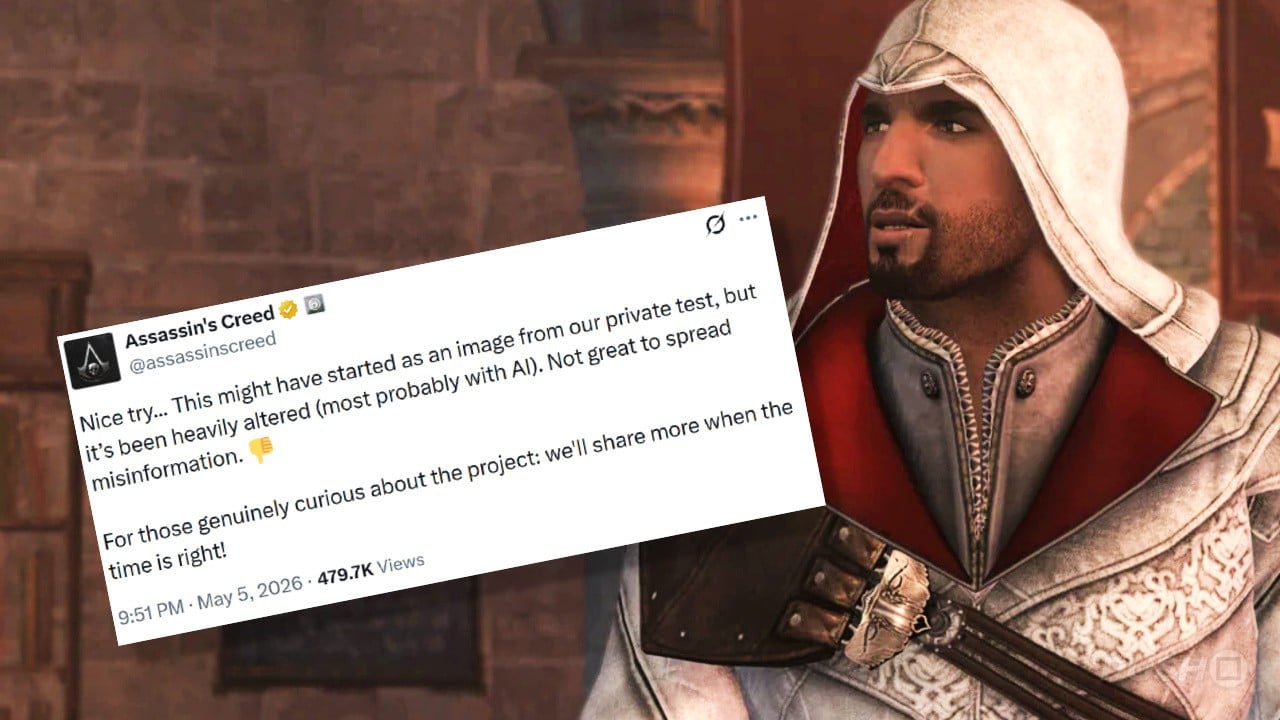
The situation escalated when xj0nathan shared what appeared to be a screenshot from the beta test. This prompted swift action from the official Assassin’s Creed social media account, which publicly called out the deception: “Nice try… This might have started as an image from our private test, but it’s been heavily altered (most probably with AI). Not great to spread misinformation.”
In an apparent attempt to salvage his credibility, xj0nathan subsequently posted what he claimed was the unaltered image, which ironically appeared to show the game in worse condition than his edited version. When questioned about his motives for manipulating the original screenshot, the YouTuber offered a contradictory explanation, stating he “didn’t want to give the game bad publicity and show just how catastrophic a state it was in”—a puzzling claim given his initial negative characterization of the project.
Industry outlet Insider Gaming has since corroborated that April playtests for Invictus did indeed occur. Their sources described the game as rough but showing “some potential,” and surprisingly revealed it features a Fall Guys-inspired approach with a realistic art style—a significant departure for the franchise.
The Assassin’s Creed controversy follows a pattern of misinformation affecting the gaming industry. Just last week, Sony faced widespread concern regarding changes to its DRM approach, with numerous misleading claims circulating before the company issued a clarifying statement. Similarly, the recently released game Saros became the subject of manufactured controversy when edited versions of its ending gained traction online, misrepresenting the actual content.
Publishers and community managers are increasingly recognizing the need to address misinformation directly at its source. The Assassin’s Creed team’s decisive response represents a growing industry trend toward more active management of online narratives about their products.
The incident raises important questions about the nature of closed beta tests, which are explicitly designed to gather feedback on unfinished products. The expression of surprise at a game being in an unpolished state during such a testing phase demonstrates a fundamental misunderstanding of the development process among some commentators.
While portions of xj0nathan’s reporting may have been based on legitimate information, his decision to alter evidence with AI tools has seriously undermined his credibility. The incident highlights the growing challenge facing both consumers and developers in an environment where AI technology makes content manipulation increasingly accessible and difficult to detect.
As gaming companies prepare for major announcements in the coming months, the industry faces mounting pressure to establish more effective protocols for addressing misinformation while maintaining transparency with their communities about the actual state of projects in development.
Fact Checker
Verify the accuracy of this article using The Disinformation Commission analysis and real-time sources.

14 Comments
It’s concerning to see high-profile gaming franchises like Assassin’s Creed being targeted by AI-altered leaks. Ubisoft’s swift response is commendable and highlights the importance of combating misinformation.
This issue extends beyond the gaming world and affects many industries. Developing robust verification processes and raising public awareness will be crucial in the fight against AI-fueled disinformation.
This situation highlights the need for better tools and protocols to identify and filter out AI-manipulated media. Ubisoft’s proactive approach is a step in the right direction.
I’m curious to see how the industry as a whole responds to this challenge. Developing effective ways to authenticate content will be crucial moving forward.
The gaming industry’s struggle with AI-altered content is a cautionary tale for the digital age. Ubisoft’s stance underscores the need for greater vigilance and fact-checking across all media platforms.
Absolutely. As AI technology continues to evolve, the burden of verifying authenticity will only grow. Proactive measures by industry leaders like Ubisoft are a step in the right direction.
Interesting development in the gaming industry. It’s concerning to see the spread of misinformation and AI-altered content. Ubisoft is right to take a firm stance against it to protect the integrity of their franchises.
I agree, verifying the authenticity of content is crucial, especially for major game releases. Ubisoft’s response demonstrates their commitment to transparency and combating misinformation.
This incident showcases the complex challenges the gaming industry faces in the era of AI-generated content and misinformation. Ubisoft’s response highlights the importance of transparency and integrity.
Agreed. The gaming community must remain vigilant and work together to develop effective strategies for combating the spread of manipulated media. Maintaining trust is crucial for the industry’s long-term success.
The gaming community has to be vigilant against the growing problem of AI-generated fake content. Kudos to Ubisoft for swiftly addressing this issue and calling out the deception.
Absolutely. Spreading misinformation, even unintentionally, can have serious consequences for game developers and players alike. Maintaining trust is critical in the industry.
The rise of AI-generated content is a double-edged sword. While it can be a powerful tool, it also enables the spread of misinformation. Kudos to Ubisoft for taking a stand.
Agreed. The gaming industry must find a balance between leveraging AI’s potential and safeguarding against its misuse. Maintaining transparency and credibility is key.